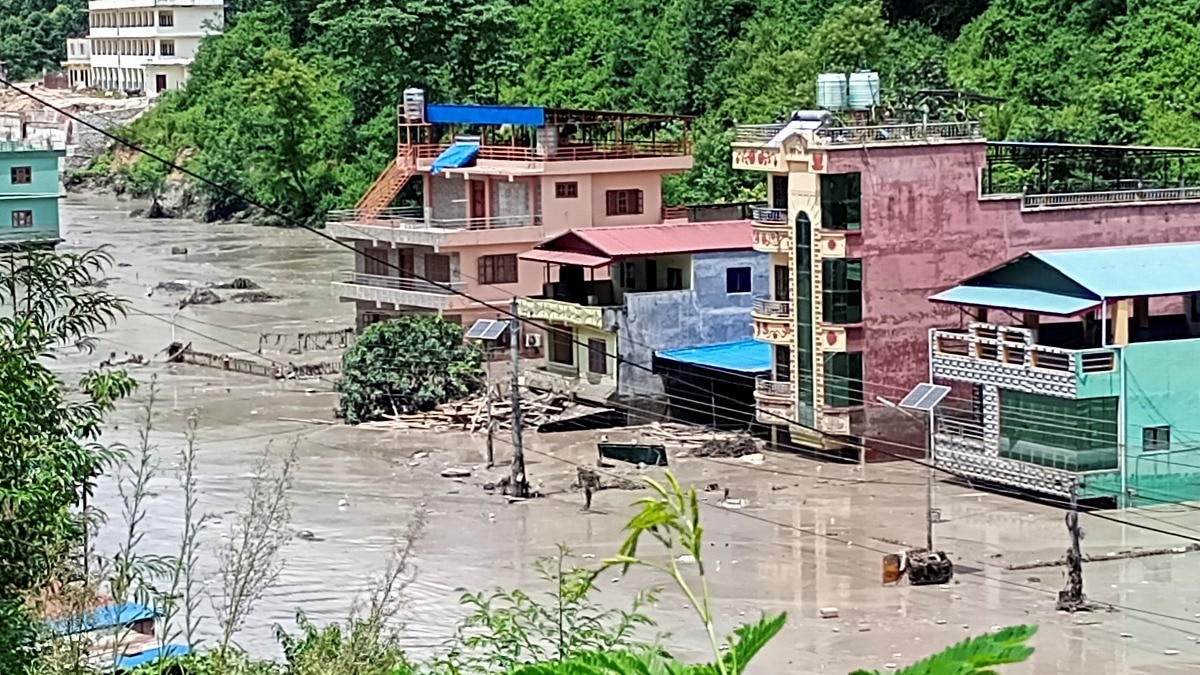
Devastating flash floods in Nepal have claimed 675 lives so far, sparking a massive humanitarian crisis. India has responded by sending a specialized tunnel rescue team to assist in the operations.
- The confirmed death toll has reached 675.
- India has deployed a specialized tunnel rescue team to Nepal.
- Identification of flood victims remains a critical logistical challenge.
The Himalayan nation of Nepal is grappling with unprecedented devastation following a series of catastrophic flash floods. According to the latest casualty reports, the death toll has surged to 675, leaving families shattered and entire communities displaced. The sheer force of the water and debris has caused massive destruction to infrastructure and residential areas.
In a significant diplomatic and humanitarian gesture, India has mobilized a specialized tunnel rescue team to assist the Nepalese authorities. This team is specifically trained to navigate high-risk, confined spaces, aiming to rescue individuals trapped under debris or within collapsed tunnel structures. This deployment underscores the strategic and emotional bond between the two neighbors during times of crisis.
Why This Matters
BozokMedia analysis shows that this disaster highlights the extreme vulnerability of the Himalayan corridor to erratic weather patterns. The scale of the destruction suggests that current disaster preparedness frameworks in the region need urgent upgrading to handle the increasing frequency of 'black swan' weather events.
The rapid escalation of death tolls in these flash flood events points to a growing climate-induced instability in the high-altitude regions.
Beyond the immediate rescue efforts, Nepal is facing a grim secondary crisis: the identification of victims. With many bodies being recovered in unrecognizable states, authorities are struggling with the logistical and emotional burden of managing unidentified remains. There are ongoing concerns regarding the potential for lake bursts near the disaster sites, though recent assessments suggest the immediate risk has slightly waned.
Data from the U.S. Geological Survey (USGS) indicates that debris avalanches have significantly altered the local topography, making traditional rescue routes impassable. The situation remains fluid, with fears of further flooding in the Tibet-Nepal border regions adding another layer of complexity to the relief operations.
Frequently Asked Questions
Question 1: What specific help is India providing to Nepal?
Answer: India has sent a specialized tunnel rescue team to assist in extracting people trapped in debris and tunnel structures.
Question 2: What is the current status of the death toll?
Answer: The confirmed death toll has reached 675, with the possibility of more casualties as search operations continue.