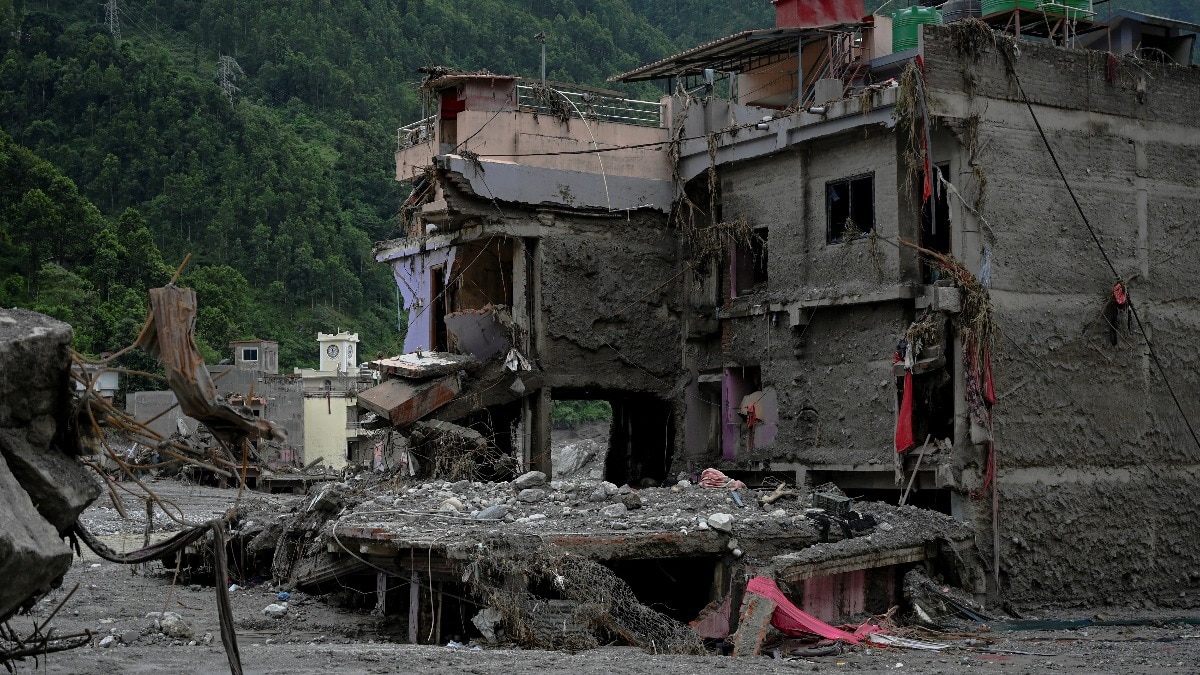
Thousands displaced by Nepal's catastrophic floods are facing a secondary crisis in relief camps, where a lack of clean water and essential medicines is fueling fears of a disease outbreak.
- Death toll surpasses 700 with approximately 2,500 people still missing.
- Severe shortages of potable water and life-saving medicines in Nuwakot and Rasuwa camps.
- Critical infrastructure failure as the water supply to Trishuli Hospital was destroyed.
- High risk of epidemics due to overcrowding and poor sanitation in temporary shelters.
The devastating floods that tore through northern and central Nepal on August 26 have left a trail of unprecedented destruction. The surge within the Bhotekoshi and Trishuli river systems has displaced thousands, forcing families into temporary shelters that lack the most basic necessities. As of the latest government updates, the death toll has climbed past 700, while the search for 2,500 missing persons continues amidst intermittent rainfall and rising river levels.
Relief efforts are underway, but the scale of the disaster has overwhelmed local resources. In Nuwakot, 15 relief camps have been established, and in Rasuwa, three more are operational. Roughly 3,500 displaced individuals are currently housed in schools and community buildings. However, reports from The Kathmandu Post highlight a grim reality: these shelters are severely under-equipped, leaving pregnant women, new mothers, and the elderly in precarious conditions.
Why This Matters
BozokMedia analysis shows that the crisis has shifted from a natural disaster to a systemic humanitarian failure. The destruction of the water canal supplying Trishuli Hospital and nearby settlements illustrates a critical vulnerability in Nepal's infrastructure. When primary healthcare facilities lose access to clean water, the risk of waterborne diseases in crowded camps increases exponentially, potentially creating a health crisis that could exceed the initial flood casualties.
"The intersection of overcrowding, lack of sanitation, and interrupted medical supply chains is a recipe for a public health catastrophe in post-flood zones."
The human cost is exemplified by stories like that of Kopila Pariyar in the Kolani camp, who is unable to secure asthma medication for her elderly mother. For many, the trauma of losing relatives is compounded by the daily struggle for a drop of clean water. In Rasuwa, the situation is even more dire, as destroyed roads have isolated entire rural municipalities, making the delivery of food and medical aid a logistical nightmare.
| Location/Entity | Impact/Status | Primary Crisis |
|---|---|---|
| Nuwakot Camps | 1,000+ Displaced | Medicine & Water Scarcity |
| Trishuli Hospital | Water Supply Cut | Sanitation & Infection Risk |
| Rasuwa District | Infrastructure Collapse | Blocked Relief Access |
Frequently Asked Questions
1. What is the current casualty count in the Nepal floods?
The death toll has crossed 700, and around 2,500 people remain missing.
2. Why are the relief camps struggling?
The camps are facing severe shortages of clean drinking water and medicines, exacerbated by the destruction of local water pipelines and road networks.