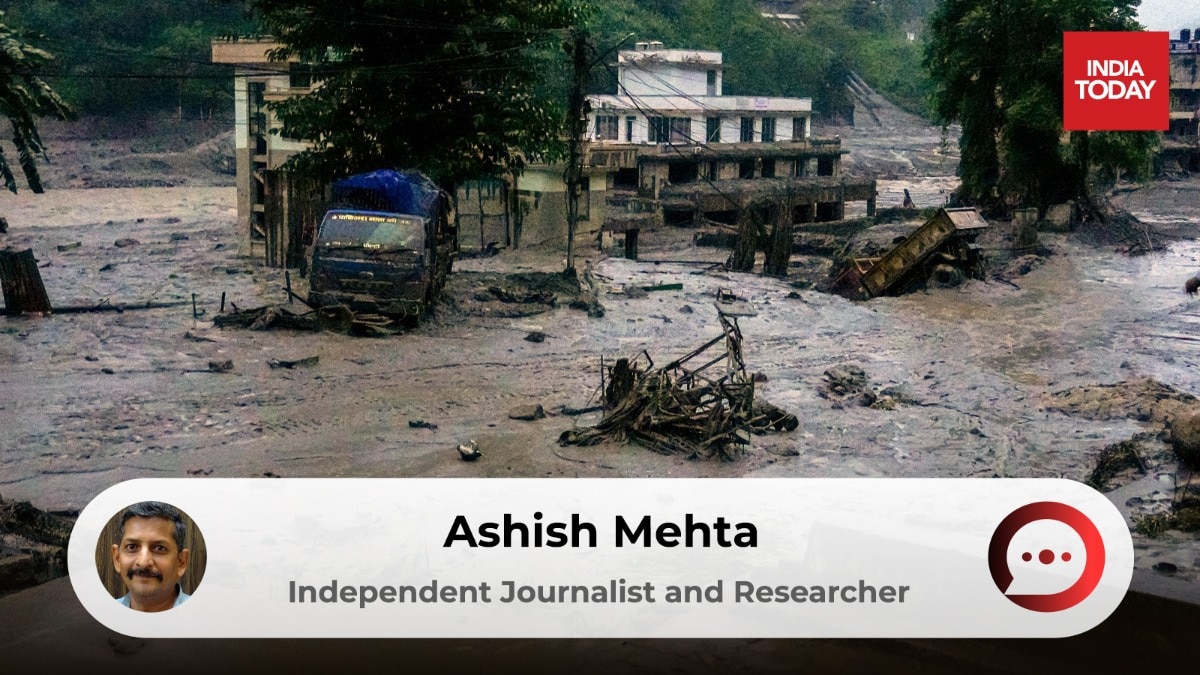
Devastating Himalayan floods have reduced entire settlements like Dhunge to swamps of mud and debris. Survivors are now braving the stench and sludge to recover documents and precious memories.
- A glacial collapse on the China-Nepal border triggered massive flash floods.
- Nearly 3,000 people remain missing, with 691 bodies recovered so far.
- Villages like Dhunge have been completely obliterated by debris and sludge.
- Survivors are returning to disaster zones to recover vital documents and sentimental items.
In the wake of a catastrophic wall of water and debris that tore through Nepal, the landscape has been transformed into a nightmare of silt and destruction. The village of Dhunge, which once hummed with the lives of approximately 150 families, has been reduced to a swampy, desolate expanse characterized by an ominous rotting stench.
Across the flood-stricken zones, a heartbreaking scene is unfolding. Survivors are trekking back into the mud, searching for anything that might have survived the deluge—be it legal documents, gold jewelry, or mere fragments of a life once lived. For many, like Shanti Lamichhane, the mission is less about material wealth and more about reclaiming a sense of identity from the ruins.
Why This Matters
BozokMedia analysis shows that these recurring glacial-induced disasters are highlighting the extreme vulnerability of Himalayan communities to rapid climate shifts. The scale of displacement and the loss of entire village infrastructures pose a long-term socio-economic challenge for the region.
The sheer force of the debris-laden torrents caused by glacial collapse makes these floods significantly more lethal than standard monsoon flooding.
According to the U.S. Geological Survey, the disaster was triggered on the morning of August 26, 2026, by a glacial collapse near the China-Nepal border. This sent an icy, boulder-filled torrent cascading downstream, carving a path of destruction from the north to the south of the country. As of August 30, official figures indicate that nearly 3,000 people are missing, while 691 bodies have been recovered from the sludge.
The human toll is evident in the stories of survivors like Hari Prasad Rimal. While his warehouse was completely swept away, he managed to salvage a single photograph of his daughter from a floating chest. For others, like Navraj Upretti, the struggle is a desperate search for essential documents buried beneath knee-high silt.
| Impact Category | Details |
|---|---|
| Missing Persons | Approximately 3,000 |
| Bodies Recovered | 691 |
| Primary Cause | Glacial Collapse (GLOF) |
| Affected Regions | Trishuli, Nuwakot, and surrounding areas |
Frequently Asked Questions
1. What caused the devastating floods in Nepal?
The primary cause was a glacial collapse on the China-Nepal border, which sent massive amounts of ice, water, and debris downstream.
2. What is the current status of the search operations?
Rescue teams and volunteers are working to clear silt and debris, but the presence of unrecovered bodies and high sludge levels make the process extremely difficult.