As the death toll from Nepal's catastrophic flash floods reaches 788, international scrutiny intensifies over China's strict control on information flow regarding the disaster.
- The death toll in Nepal has surged to 788 following massive floods and debris avalanches.
- Rescuers are conducting high-stakes drilling operations to reach workers trapped in tunnels.
- Concerns are rising over the lack of transparency and information control from the Chinese side.
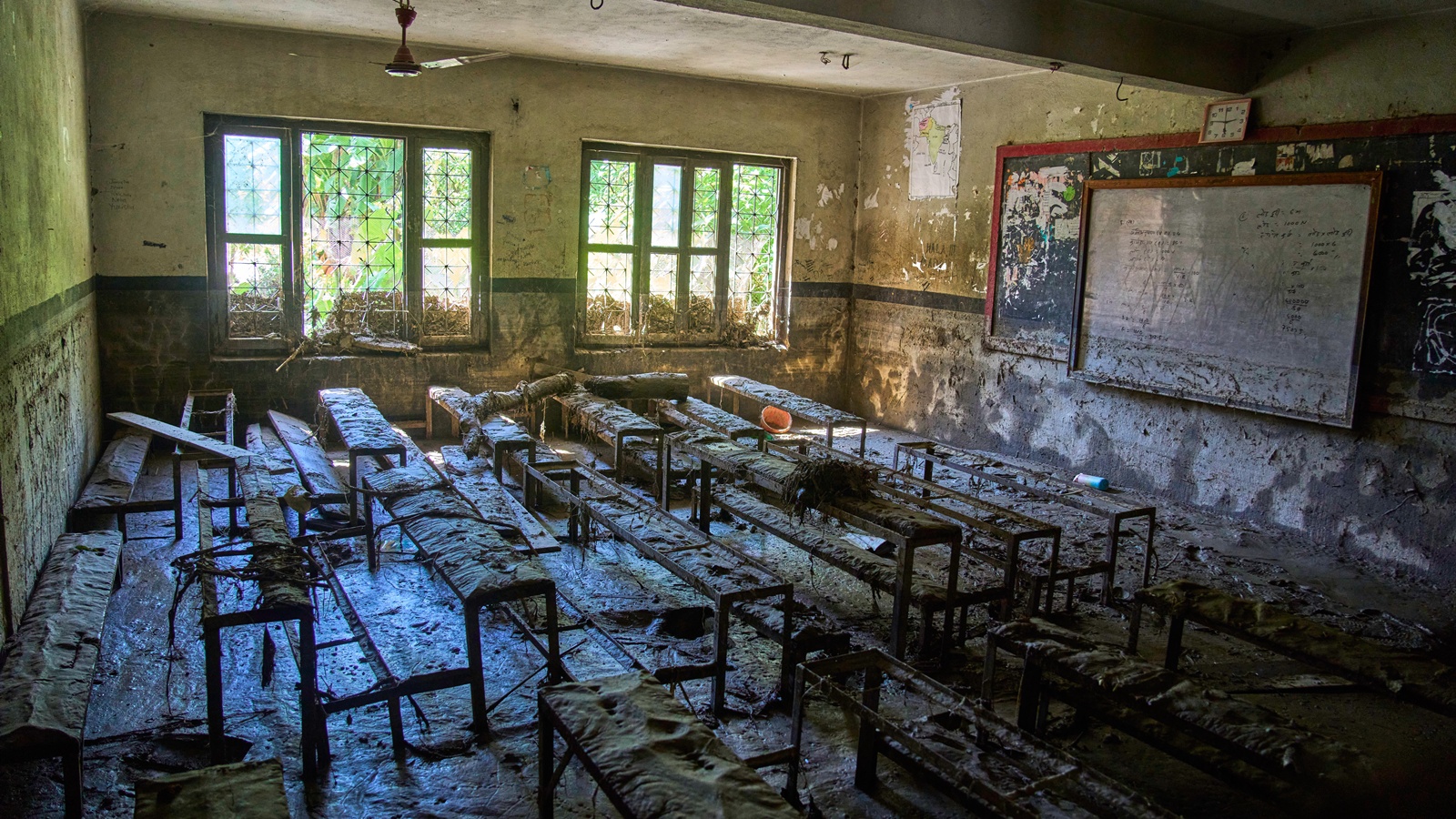
The devastating impact of flash floods and debris avalanches in Nepal has left a trail of destruction, with the official death toll climbing to 788. Survivors are returning to find nothing but the ruins of their homes, describing a scene where 'the river has taken everything.' The scale of the disaster has overwhelmed local infrastructure and emergency services.
Rescue operations are currently in a critical phase. Emergency teams are utilizing specialized drilling equipment to penetrate thick layers of debris in a desperate attempt to reach tunnel workers believed to be trapped underneath. The unstable terrain and massive accumulation of sludge make these operations extremely hazardous for both victims and rescuers.
Why This Matters
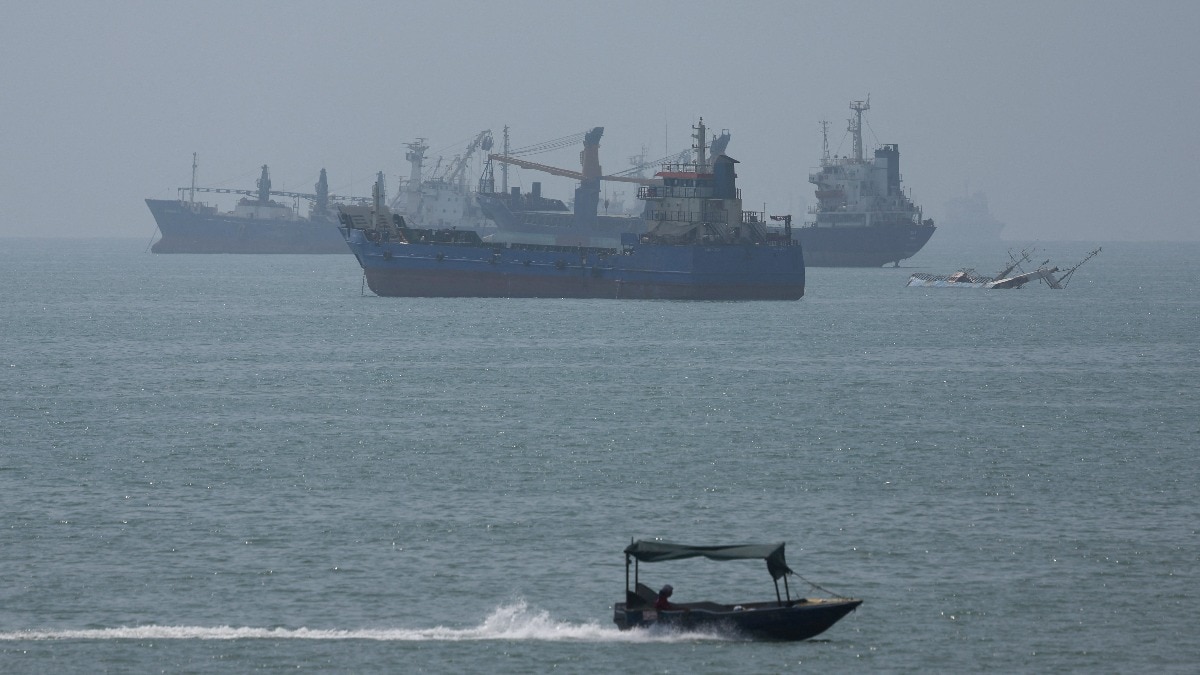
BozokMedia analysis shows that this crisis transcends natural disaster management; it highlights a significant geopolitical dimension. The stark contrast between the visible devastation in Nepal and the tight lid maintained by China on information flow creates a vacuum of transparency that complicates regional response efforts and international aid coordination.
The suppression of real-time data during a humanitarian crisis can be as deadly as the disaster itself.
Historically, the Himalayan region has been prone to such geological events, but the frequency and intensity of these flash floods are increasingly linked to rapid climate shifts. The fragile ecology of the Nepal-China border region makes it highly susceptible to debris avalanches, especially when coupled with human-induced environmental changes.
As the international community looks toward providing relief, the ability to access accurate, real-time data from all surrounding territories remains a primary concern. The survival of trapped individuals and the long-term recovery of the region depend heavily on unhindered information sharing and rapid logistical response.
Frequently Asked Questions
Question 1: What is the current death toll in Nepal?
Answer: The death toll has reached 788 people according to the latest reports.
Question 2: Why is China being criticized in this context?
Answer: China is facing scrutiny for maintaining strict control over the flow of information related to the disaster and the surrounding regions.