A deep dive into the harrowing history of a city that has endured over 100 wars and been completely razed 44 times, yet continues to stand as a testament to human resilience.
- The city has endured more than 100 documented military conflicts.
- It has faced total destruction and rebuilding on 44 separate occasions.
- Its strategic location made it a constant target for conquering empires.
History is often written by the victors, but in the case of this legendary city, it is written by the survivors. This ancient urban center has stood as a silent witness to the most brutal eras of human civilization. Having weathered over 100 wars, the city represents one of the most contested geographies in recorded history.
The scale of devastation is almost unfathomable. Records indicate that the city has been completely destroyed 44 times. Each time the smoke cleared and the ruins lay silent, the inhabitants returned to rebuild, creating a cycle of destruction and rebirth that has lasted for millennia. These conflicts were not merely territorial disputes but clashes of entire civilizations, religions, and global ideologies.
Why This Matters
BozokMedia analysis shows that studying such high-conflict zones provides critical insights into the patterns of human aggression and the sociology of urban survival. The ability of a population to maintain its cultural identity despite repeated physical annihilation is a phenomenon that continues to fascinate historians and sociologists alike.
The repeated destruction of such a hub proves that while walls can be broken, the spirit of a civilization is much harder to crush.
Looking at the historical background, the city's position at the crossroads of major trade routes made it an irresistible prize for expansionist empires. From ancient conquerors to modern geopolitical players, the struggle for control over this specific territory has remained a constant throughout the ages.
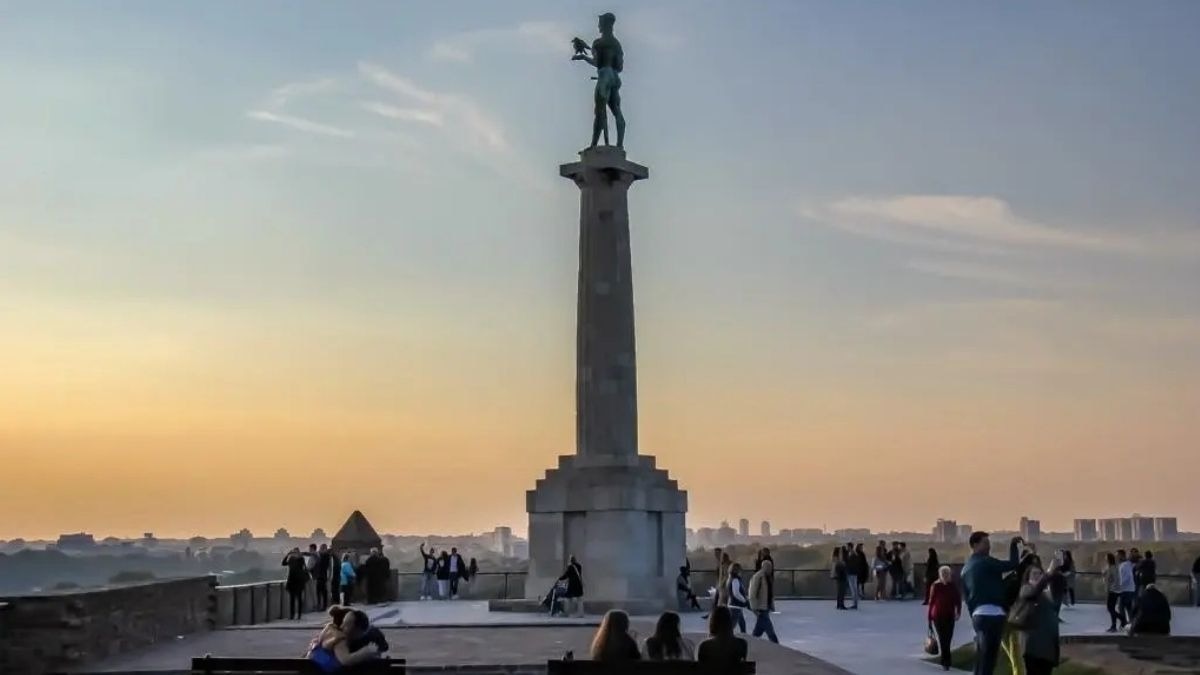
The architecture of the city today is a living museum of these struggles. Because it was rebuilt so many times, the city features a unique layering of architectural styles, where ancient foundations support structures built during much later eras, creating a complex cultural tapestry.
Frequently Asked Questions
Question 1: Why was this city targeted so frequently?
Answer: Its primary significance lay in its strategic location, controlling vital trade routes and serving as a gateway between major regions.
Question 2: How did the city survive such frequent total destruction?
Answer: Survival was driven by the immense economic value of the location and the relentless resilience of its people to rebuild.