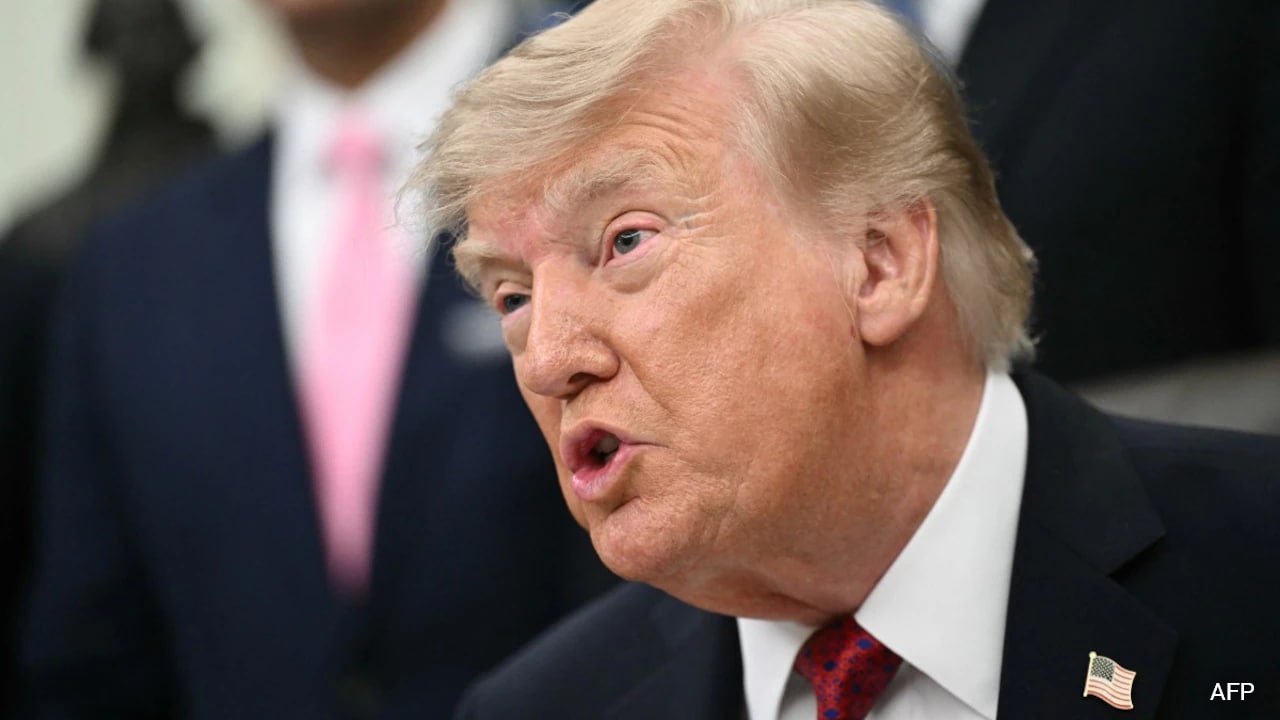
US President Donald Trump has stated that the United States is reviewing its diplomatic position regarding the UK-controlled Falkland Islands, potentially altering decades of neutrality.
- President Donald Trump is reviewing the US stance on the Falkland Islands.
- The US has largely avoided taking a definitive side on sovereignty since 1982.
- The move could impact the long-standing territorial dispute between the UK and Argentina.
In a move that has caught the attention of global diplomats, US President Donald Trump has revealed that the United States is currently reviewing its position on the Falkland Islands. While the President did not explicitly state whether this review would lead to a change in the US stance on sovereignty, the mere announcement signals a potential shift in American foreign policy toward the South Atlantic.
Since the conflict of 1982, the United States has carefully navigated the waters of the Falklands dispute. By maintaining a general policy of neutrality regarding the ultimate sovereignty of the islands, the US sought to balance its 'Special Relationship' with the United Kingdom while avoiding the alienation of Argentina and other key Latin American partners.
Why This Matters
BozokMedia analysis shows that this review is consistent with Trump's broader pattern of questioning inherited foreign policy legacies. By placing the Falklands' status under review, the US creates a strategic lever that could be used in broader negotiations with either London or Buenos Aires, shifting the dynamic from traditional support to transactional diplomacy.
"The Trump administration's approach suggests a willingness to disrupt established geopolitical norms to extract better strategic or economic concessions."
Historical Background: The Falkland Islands have been a point of contention between the UK and Argentina for over a century. The tension peaked in 1982 when Argentina invaded the islands, prompting a swift and decisive military response from the UK. The subsequent victory restored British control, but Argentina continues to claim the islands as part of its national territory.
| Party | Claim/Position | Primary Argument |
|---|---|---|
| United Kingdom | Sovereignty | Self-determination of the islanders and historical administration. |
| Argentina | Sovereignty | Geographic proximity and rejection of colonial legacy. |
Frequently Asked Questions
1. Has the US officially changed its position?
No, President Trump has only indicated that the position is under review; no formal policy change has been implemented yet.
2. Why is the 1982 date significant?
It marks the year of the Falklands War, after which the US adopted a cautious, neutral approach to avoid destabilizing regional relations.