Prime Minister Narendra Modi's visit to Tashkent has marked a historic shift in India-Uzbekistan relations, focusing on long-term uranium supplies and a massive trade expansion goal by 2030.
- India and Uzbekistan have upgraded their relationship to a 'Comprehensive Strategic Partnership'.
- A bilateral trade target of USD 5 billion has been set for the year 2030.
- Frameworks for the long-term supply of uranium to India were discussed to ensure energy security.
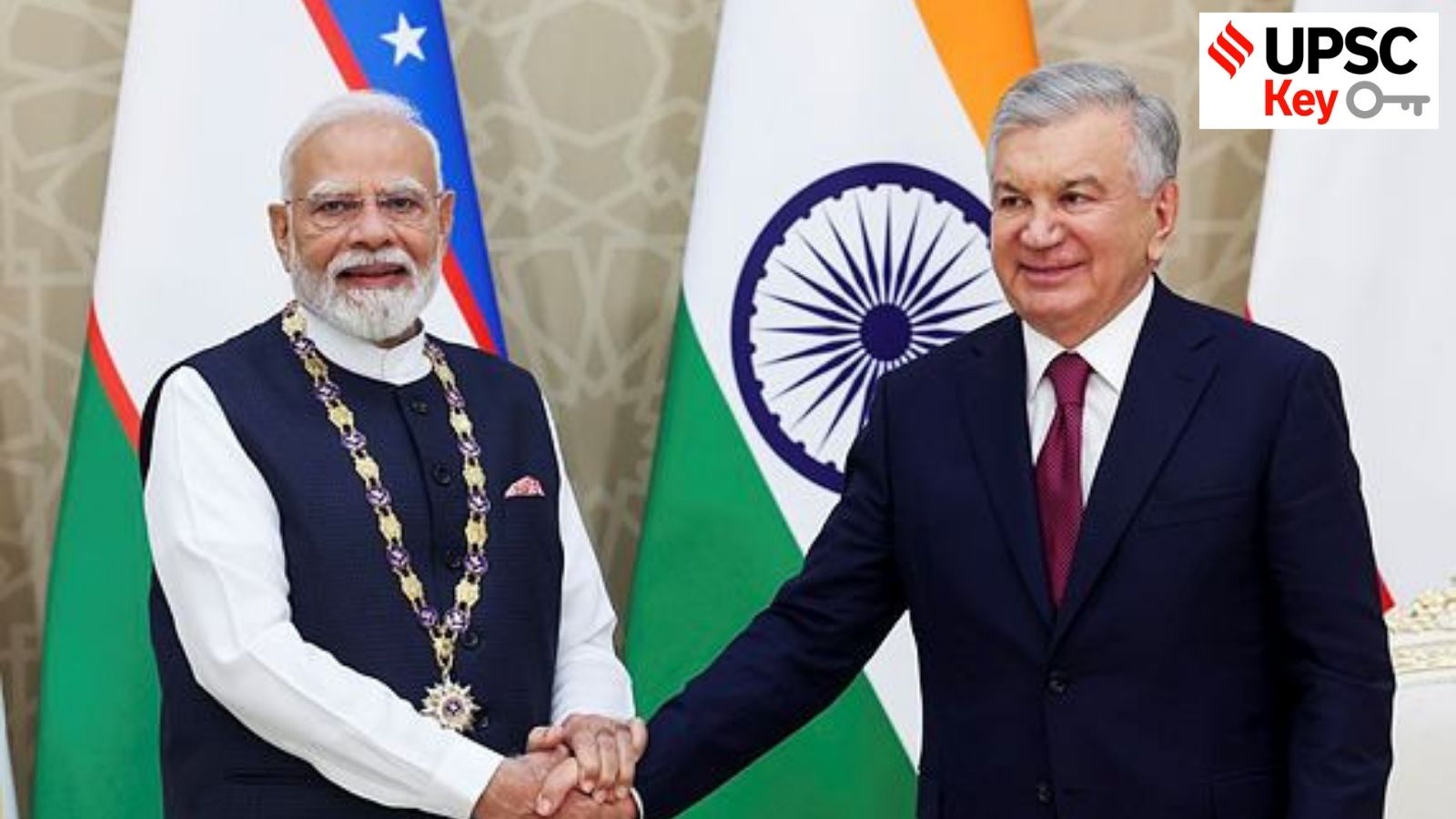
- PM Modi was honored with Uzbekistan's highest national award, the 'Oliy Darajali Do’stlik' Order.
In a significant diplomatic milestone, Prime Minister Narendra Modi and Uzbekistan President Shavkat Mirziyoyev have agreed to elevate their bilateral ties to a Comprehensive Strategic Partnership. This transition reflects the growing synergy between the two nations in sectors ranging from critical minerals to defense cooperation.
The economic roadmap is particularly ambitious, with both nations aiming for a trade volume of USD 5 billion by 2030, a steep climb from the approximately USD 1 billion recorded in 2025-26. Key areas of focus include pharmaceuticals, agriculture, jewelry, and the strategic acquisition of critical minerals necessary for modern technology.
Why This Matters
BozokMedia analysis shows that this partnership is a cornerstone of India's 'Connect Central Asia' policy. By securing long-term uranium supplies, India is mitigating risks associated with energy volatility. Furthermore, establishing a strong foothold in Tashkent allows New Delhi to balance the geopolitical influence of Russia and China in the region.
The elevation to a Comprehensive Strategic Partnership signifies that India now views Central Asia not just as a market, but as a vital security partner.
Beyond economics, the visit emphasized cultural diplomacy. The announcement of 100 Lal Bahadur Shastri Scholarships for Hindi and the establishment of an ICCR Sanskrit Chair at Tashkent State University underscore India's soft power approach. Additionally, a USD 1 million grant for afforestation in the Aral Sea region highlights India's commitment to global environmental causes.
On the security front, the leaders praised the 'Dustlik' joint military exercises, which have become a symbol of tactical cooperation. This military synergy is crucial given the volatile security landscape in Afghanistan and surrounding regions.
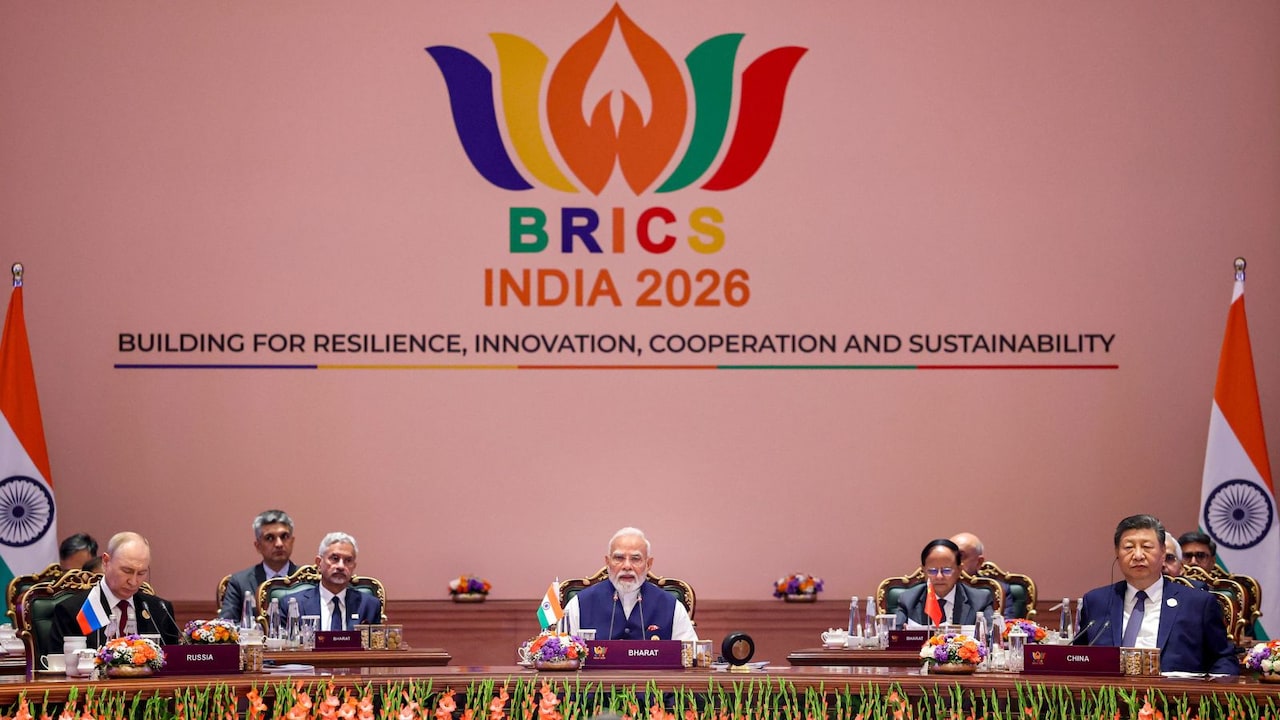
This visit serves as a precursor to the Shanghai Cooperation Organisation (SCO) summit in Bishkek, where PM Modi is expected to engage with Russian President Vladimir Putin and Chinese President Xi Jinping. The timing is critical as India prepares to host the BRICS summit in New Delhi on September 12-13.
| Metric | Current Status (2025-26) | 2030 Target |
|---|---|---|
| Bilateral Trade | ~ $1 Billion | $5 Billion |
| Partnership Status | Strategic Partnership | Comprehensive Strategic Partnership |
Frequently Asked Questions
1. What is the significance of the uranium supply deal?
Uranium is essential for nuclear power plants. A long-term supply from Uzbekistan ensures that India's nuclear energy program remains sustainable and less dependent on a single source.
2. What is the 'SECURE' framework mentioned by India in SCO?
It stands for Security, Economy and Trade, Connectivity, Unity, Respect for Sovereignty, and Territorial Integrity.