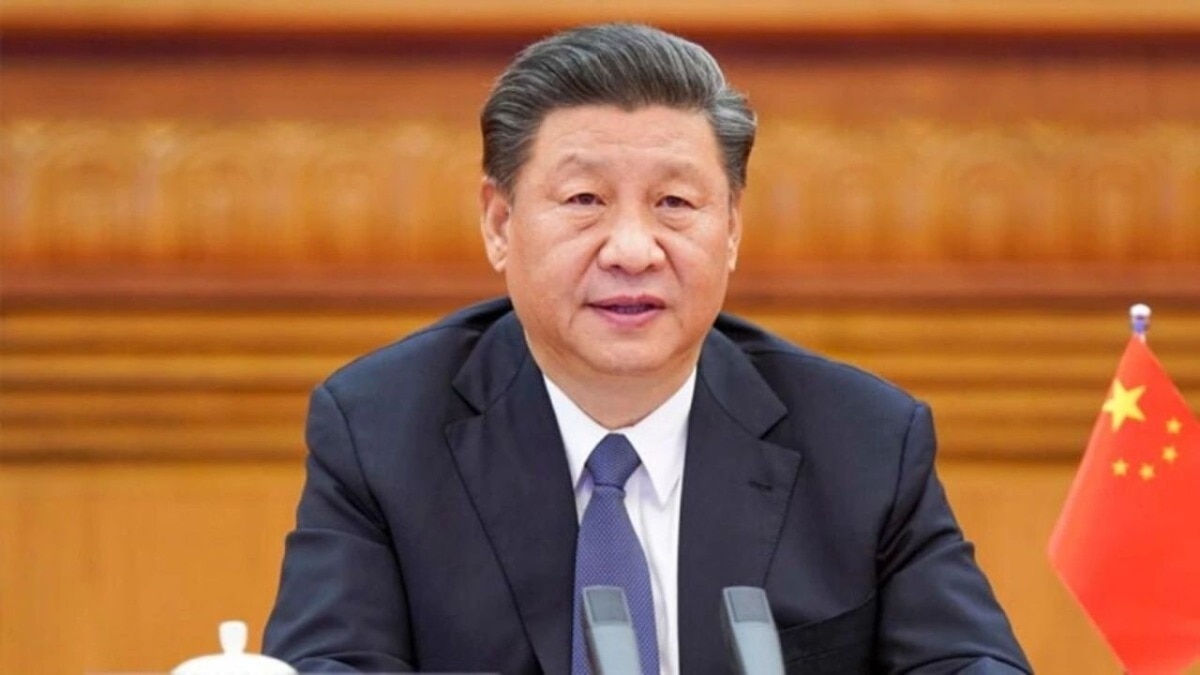
Chinese President Xi Jinping has rejected the 'might makes right' logic at the 18th BRICS Summit in New Delhi, advocating for a multipolar world driven by the Global South.
- President Xi Jinping rejected the logic that force should decide international affairs.
- He called for an end to double standards in international law and global rules.
- Proposed the creation of a BRICS AI open-source community to foster technological cooperation.
- Advocated for the reform of multilateral institutions like the WTO and UN.
In a significant diplomatic maneuver at the 18th BRICS Summit in New Delhi, Chinese President Xi Jinping asserted that the logic of "might makes right" has no place in modern international affairs. He argued that this outdated principle should have been discarded long ago in favor of a system based on equality and rule of law.
Xi's remarks come at a time of heightened geopolitical friction, particularly regarding the United States' approach to global trade and international norms. By positioning the Global South as the primary driver of a multipolar world, Xi is signaling a shift in the global power structure.
Why This Matters
BozokMedia analysis shows that Xi's rhetoric is a calculated attempt to challenge the Western-led liberal order. By emphasizing "sovereign equality" and "non-interference," China is aligning itself with the interests of emerging economies that feel marginalized by current international financial and political architectures.
Xi Jinping's vision aims to redefine global leadership by shifting the focus from Western dominance to a collaborative, multipolar framework.
Technological Sovereignty and AI: Beyond geopolitics, Xi addressed the digital frontier. He called for a global governance framework for Artificial Intelligence (AI), emphasizing that technology should be developed for the "positive and for good." To facilitate this, he proposed a BRICS AI open-source community to promote cooperation in large language models and technical training.
Historical Background
The BRICS grouping has evolved from a mere economic acronym into a formidable geopolitical bloc. As member nations continue to expand, the group seeks to reform the World Trade Organization (WTO) and the international financial architecture to provide a more equitable platform for developing nations.
Frequently Asked Questions
1. What did Xi Jinping mean by 'double standards'?
He referred to the inconsistent application of international rules where powerful nations are often exempt from the norms they impose on others.
2. How does China plan to assist in AI development within BRICS?
China intends to support an open-source community and host seminars to ensure shared prosperity through AI technology.