India has categorically rejected the decision of the Permanent Court of Arbitration regarding the Indus Waters Treaty, labeling the court's formation as illegal and asserting its sovereign rights over water projects.
- India refuses to recognize the ruling of the Permanent Court of Arbitration (CoA) at The Hague.
- The Indian government termed the court as "illegally constituted" and a violation of treaty terms.
- India maintains its decision to keep the Indus Waters Treaty in abeyance.
- No restrictions will be placed on hydroelectric projects in Jammu & Kashmir based on this ruling.
In a decisive diplomatic move, the Government of India has rejected the award issued by the Permanent Court of Arbitration (CoA) in The Hague concerning the Indus Waters Treaty (IWT). India has asserted that the court was constituted in a manner that blatantly violates the terms of the treaty and, therefore, possesses no jurisdiction over India's sovereign decisions or ongoing infrastructure projects.
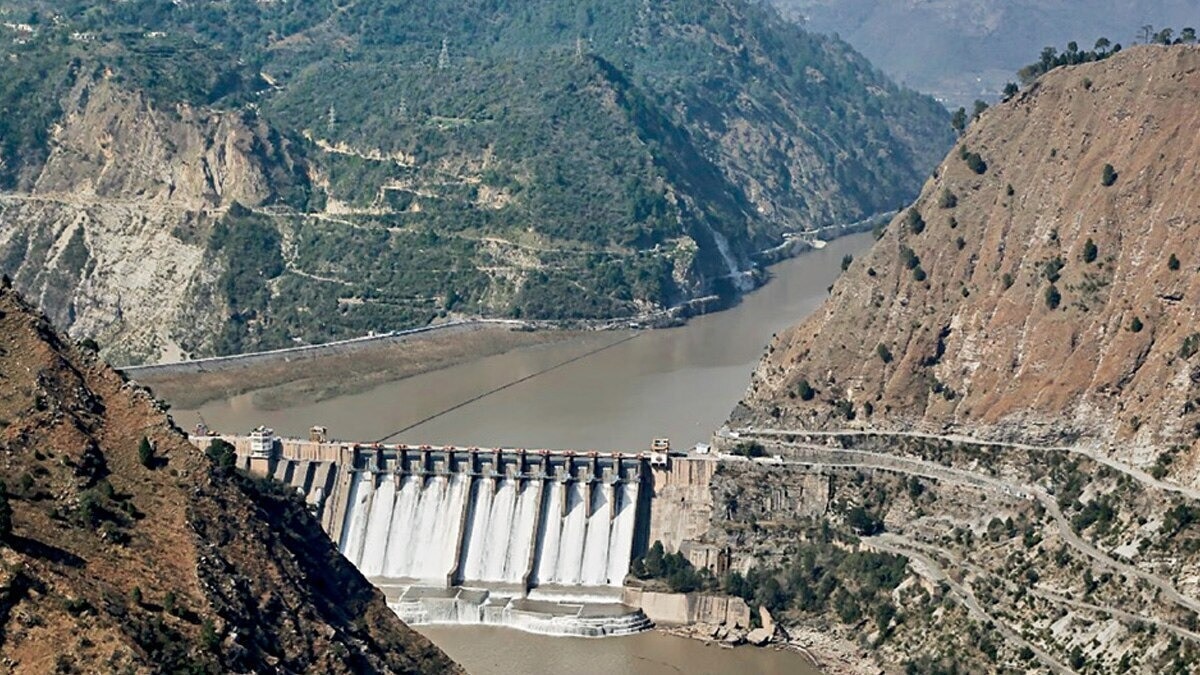
The dispute centers on a ruling where the CoA, under the aegis of the World Bank, stated that the IWT remains fully operational. The court had directed India to limit its construction activities at the Ratle Hydroelectric Plant in the Jammu & Kashmir region, aligning with requests made by Pakistan. India has dismissed these directives as baseless and legally void.
Why This Matters
BozokMedia analysis shows that India is shifting from a policy of 'strategic restraint' to one of 'assertive sovereignty.' For decades, the IWT was viewed as a sacred diplomatic commitment. However, following cross-border tensions and attacks like the one in Pahalgam, New Delhi has signaled that water management is now inextricably linked to national security. By rejecting the Hague ruling, India is signaling to the global community that it will not allow international bodies to interfere in its internal security and development priorities.
"The Indus Waters Treaty is no longer just a technical agreement on water sharing; it has evolved into a geopolitical lever in the broader conflict between India and Pakistan."
Historically, the treaty was signed on September 19, 1960, by Prime Minister Jawaharlal Nehru and President Ayub Khan, with the World Bank acting as the mediator. While the treaty ensures water supply to 80% of Pakistan's agricultural land, India argues that Pakistan cannot expect the benefits of a treaty while simultaneously sponsoring terrorism against India.
The Ministry of External Affairs (MEA) emphasized that India has never legally recognized this arbitration court and has consistently viewed its formation as a serious breach of the IWT. Consequently, India has neither appeared before the court nor acknowledged its previous awards, maintaining that its sovereign projects will proceed without external interference.
| Perspective | Core Argument | Proposed Action |
|---|---|---|
| Hague Court/Pakistan | The treaty is binding and must be followed strictly. | Limit construction of the Ratle Project. |
| Government of India | The court is illegal and lacks jurisdiction. | Maintain treaty abeyance and continue projects. |
Frequently Asked Questions
Q1: Why did India reject the ruling of the Permanent Court of Arbitration?
India believes the court was illegally constituted by the World Bank in violation of the treaty's terms and therefore has no authority over India's sovereign decisions.
Q2: What is the Indus Waters Treaty?
It is a water-distribution treaty signed between India and Pakistan in 1960, brokered by the World Bank, to manage the waters of the Indus river system.