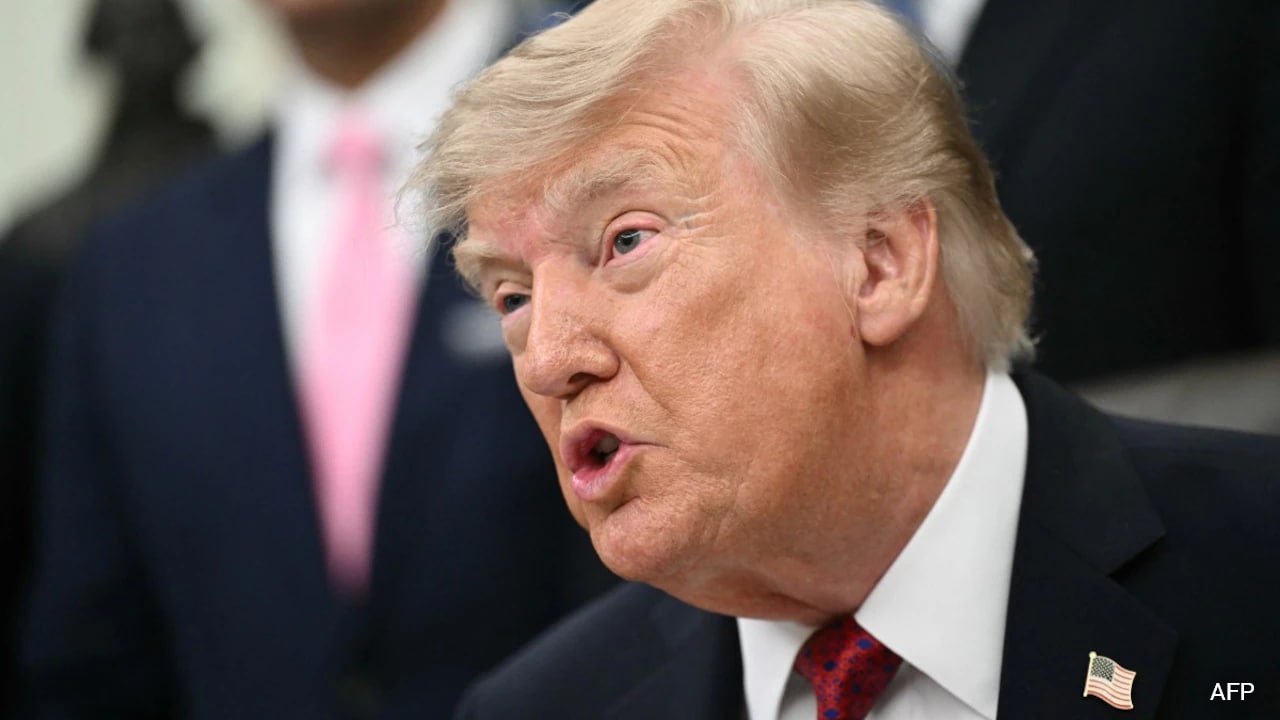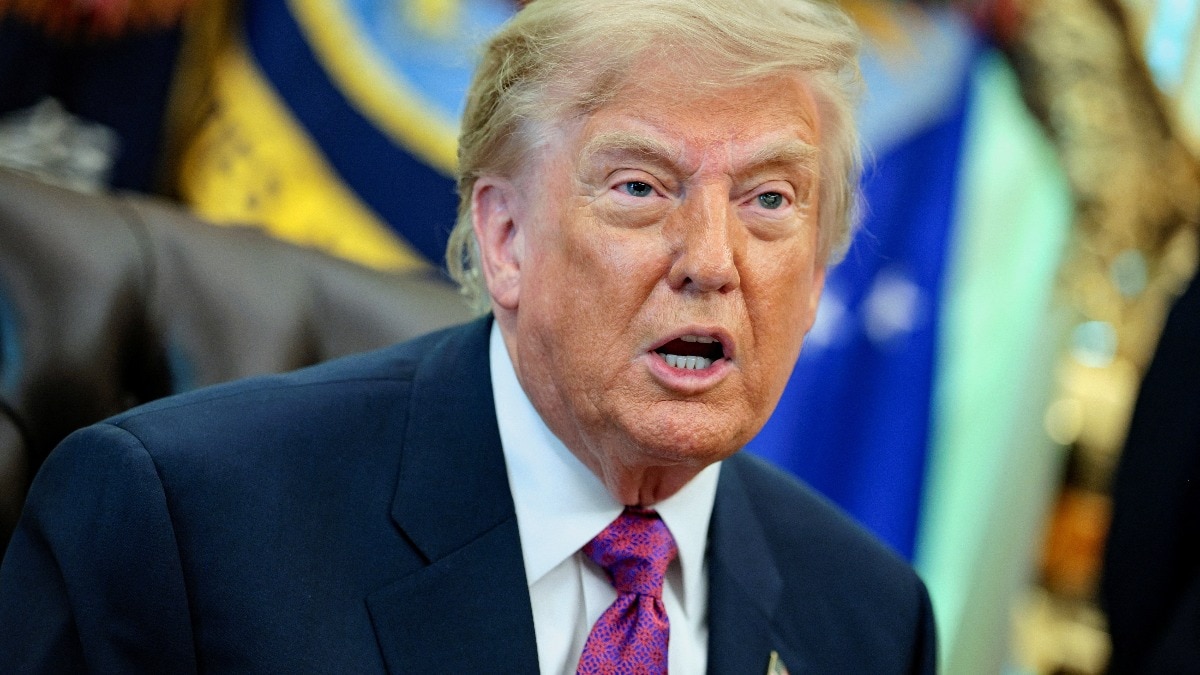
New survey data reveals a significant swing of Indian American voters back toward the Democratic Party ahead of the November 3 midterms, driven by disapproval of Donald Trump's policies. This shift could critically impact the balance of power in the US Congress.
- 66% of Indian American voters favor Democrats for both Senate and House elections.
- 71% of the community disapproves of Donald Trump's overall performance.
- Cost of living and inflation are the primary drivers for voter decision-making.
- AAPI voter turnout is projected to reach a record 90% in 2026.
As the United States approaches the pivotal midterm elections on November 3, a significant political realignment is occurring within one of the country's most influential immigrant communities. Recent data suggests that Indian American voters, who had shown a slight inclination toward Donald Trump during the 2024 cycle, are returning to the Democratic fold in overwhelming numbers.
According to the 2026 Asian American Voter Survey, the disparity in support is stark: 66% of Indian Americans intend to back Democratic candidates for the Senate, while only 18% favor Republicans. A similar trend is evident in the House elections, where Democrats hold a 66% to 22% lead. This trend mirrors a broader shift across the wider Asian American and Pacific Islander (AAPI) community, where 60% favor Democratic Senate candidates.
Why This Matters
BozokMedia analysis shows that this shift is not merely a partisan swing but a reaction to governance. The Indian American community is no longer a monolithic voting bloc; their loyalty is now tied to tangible outcomes in economic policy and diplomatic stability. With an estimated 16 million eligible AAPI voters in 2026, including 1.6 million new voters, this demographic has become a 'kingmaker' in swing states.
The erosion of Trump's support among Indian Americans signals a rejection of populist rhetoric in favor of institutional stability and economic predictability.
The decline in Trump's popularity is deeply rooted in policy dissatisfaction. A study by the Carnegie Endowment for International Peace reveals that 71% of Indian Americans disapprove of Trump's performance. Key areas of contention include his handling of immigration, trade tariffs, and domestic economic policies. Most notably, 55% of the community expressed disapproval regarding his management of US-India bilateral relations.
Economic anxiety is the primary catalyst for this shift. An overwhelming 90% of AAPI voters cite the cost of living and inflation as their top concern. Trust in the parties' ability to manage these issues is skewed heavily toward the Democrats, with 44% believing they will handle inflation better compared to only 18% for the Republicans.
| Issue | Democratic Trust (%) | Republican Trust (%) |
|---|---|---|
| Cost of Living/Inflation | 44% | 18% |
| Healthcare Access | High | Moderate |
| US-India Relations | Improving | Declining |
Beyond economics, social issues continue to weigh heavily. Racism, racial discrimination, and hate crimes remain critical concerns for 73% of respondents, while reproductive rights are a priority for 61%. The projected voter turnout of 90% suggests a highly engaged electorate that is likely to penalize the GOP for its current trajectory.
Frequently Asked Questions
Why are Indian Americans moving away from Donald Trump?
Voters cite dissatisfaction with his handling of the economy, immigration, and specifically his approach to US-India diplomatic relations.
How significant is the AAPI vote in the 2026 midterms?
With 16 million eligible voters, the AAPI bloc is a crucial demographic that can influence the balance of power in both the House and the Senate.