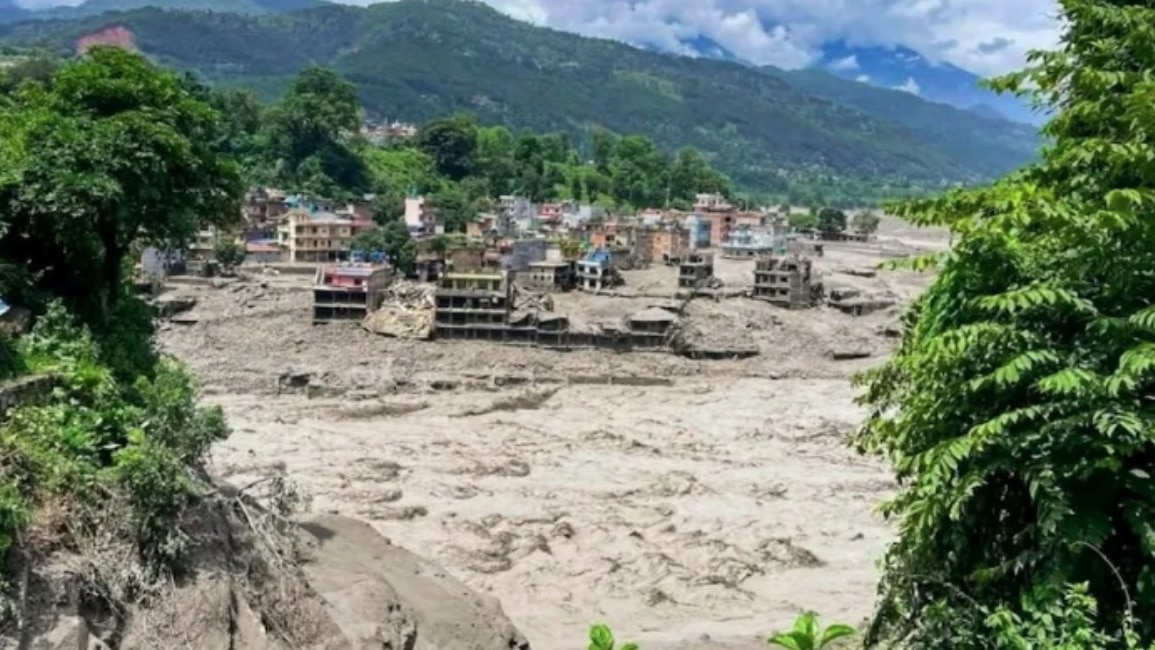
Rescue teams in Nepal, supported by experts from India and China, are racing to save over 900 workers trapped in mud-blocked hydropower tunnels following catastrophic flash floods. The disaster, triggered by a glacier collapse along the Nepal-Tibet border, has claimed more than 900 lives and left thousands missing.
- Over 900 people have been confirmed dead and thousands remain missing after a devastating glacier collapse triggered catastrophic flash floods on the Nepal-Tibet border.
- Rescue operations are urgently focusing on reaching more than 900 workers trapped inside mud- and debris-blocked hydropower tunnels.
- International rescue experts from China and India are assisting Nepalese military forces in navigating the highly hazardous terrain.
A devastating environmental disaster has struck the Himalayan region, as rescue teams in Nepal battle treacherous conditions to locate and extract hundreds of workers trapped underground. The crisis unfolded after a massive glacier collapse on the Nepal-Tibet border triggered unprecedented flash floods, unleashing a torrent of ice, mud, and rock debris. The official death toll has climbed past 900, with thousands more reported missing across the region, making it one of the most severe natural disasters in recent Himalayan history.
The immediate priority for rescuers is a series of blocked tunnels at approximately a dozen hydropower projects. More than 930 workers are believed to be trapped deep underground, sealed off by massive deposits of mud and heavy rock debris. The Nepal Army, alongside specialized teams, has been working round-the-clock, utilizing earth-moving equipment and searchlights to dig through the night. Army spokesperson Raja Ram Basnet described the clearing of these tunnels as a monumental challenge, given the sheer volume of debris deposited by the torrents.
The devastation extends beyond Nepal's borders into China's Tibet region, where at least 16 deaths have been confirmed and hundreds remain unaccounted for. Beijing has mobilized over 2,100 rescue workers and committed 220 million yuan ($33 million) in relief funds. In a rare move of bilateral cooperation, Nepal has accepted highly specialized tunnel-rescue experts and satellite intelligence from both China and India, despite previously stating it did not require general foreign search-and-rescue assistance.
Historical Context of Himalayan Glacial Disasters
The Hindu Kush-Himalayan region is home to the world's largest concentration of ice outside the polar regions, making it highly susceptible to Glacial Lake Outburst Floods (GLOFs) and catastrophic avalanches. Over the past few decades, rising global temperatures have accelerated glacial melt, destabilizing massive ice sheets and creating fragile moraine-dammed lakes. Similar disasters, such as the 2013 Kedarnath floods in India and the 2021 Chamoli disaster, serve as grim historical precursors to the current crisis, highlighting the extreme vulnerability of infrastructure—particularly hydropower plants—built along these high-altitude river basins.
Why This Matters
A BozokMedia analysis shows that this disaster underscores the severe risks that climate change poses to clean energy infrastructure in developing mountain nations. As Nepal rapidly expands its hydropower capacity to meet regional energy demands, the lack of climate-resilient engineering and early-warning systems leaves thousands of workers and billions of dollars in infrastructure highly vulnerable to sudden environmental shocks.
"The tragedy in Nepal is a stark reminder that the rapid pace of climate change in high-altitude environments is outstripping our current disaster-preparedness and infrastructural design limits."
| Metric | Nepal Impact | Tibet (China) Impact |
|---|---|---|
| Confirmed Deaths | 903 | 16 |
| Missing Persons | 4,247 | 546 |
| Foreign Nationals Missing | Under Investigation | 261 (from 23 countries) |
| Rescue Personnel Deployed | ~21,000 security forces | ~2,100 rescue workers |
Frequently Asked Questions
Q1: What caused the catastrophic flooding in Nepal?
A1: The flash floods were triggered by a massive glacier collapse on the Nepal-Tibet border, which released an unprecedented volume of ice, mud, and debris into the local river systems.
Q2: Why are the hydropower tunnels the primary focus of the rescue?
A2: Over 900 workers are trapped underground inside these tunnels, which were sealed by heavy mudslides, making immediate extraction critical to their survival.