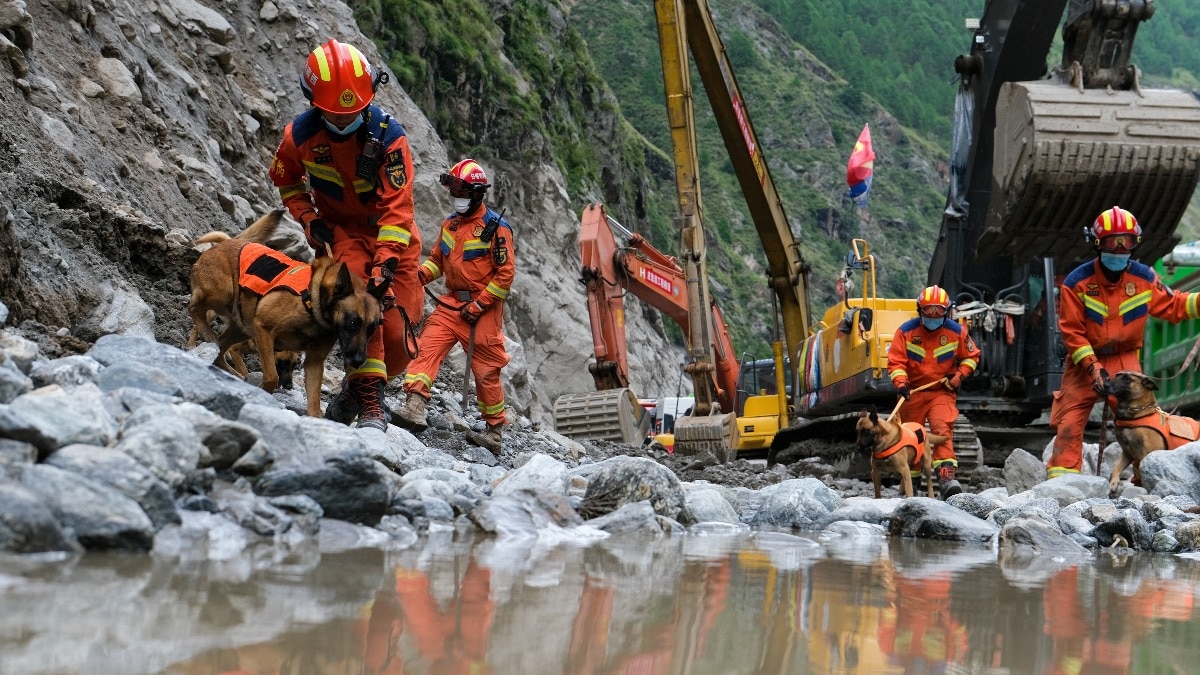
Following devastating floods and landslides at the Nepal-Tibet border, China has revived its COVID-era censorship tactics. The government is scrubbing social media and imprisoning citizens to suppress the actual death toll.
- China has implemented a total information blackout following the Nepal-Tibet border disaster.
- Citizens sharing data contradicting official figures face fines and 3-7 years of imprisonment.
- Cybersecurity police are aggressively removing videos and photos from the Gyirong Port region.
- The crackdown aims to shield the CCP's image and avoid audits of Himalayan dam projects.
The catastrophic floods and mudslides at the Nepal-Tibet border have triggered a humanitarian crisis, but the response from Beijing has mirrored the controversial tactics used during the early days of the COVID-19 pandemic in Wuhan. By labeling truth-tellers as 'rumor-mongers,' the Chinese state is once again prioritizing narrative control over human lives.
At the Gyirong Port in Tibet, harrowing images and videos shared by locals are being systematically erased from social media. While official state media reports a meager 16 deaths, local reports and leaked claims suggest that hundreds were missing immediately after the event, with some users claiming casualties in the thousands.
Why This Matters
BozokMedia analysis shows that this is not merely about disaster management but about political survival. Tibet has been under Chinese control since the 1950s, and any instability there is viewed through a political lens. Natural disasters often expose flaws in China's aggressive infrastructure development and environmental policies in the Himalayas, which the state seeks to conceal.
China's systemic suppression of disaster data is a calculated move to prevent domestic unrest and maintain an illusion of infallible governance.
The legal repercussions for dissent are severe. Under current regulations, spreading 'rumors' about disasters can lead to 10 days of detention and fines of 1,000 yuan. In more egregious cases, users like 'Q' and 'Liu'—who posted estimates of 1,400 to 3,000 deaths—face potential prison sentences of 3 to 7 years. This climate of fear prevents families from even knowing the fate of their loved ones.
Furthermore, China is attempting to shift the blame by claiming the disaster originated on the Nepal side. By doing so, it avoids international pressure for independent audits of the dams being constructed in the sensitive Himalayan regions. The control of information ensures that the CCP's narrative remains the only version of the truth.
Frequently Asked Questions
Q1: Why is China suppressing the death toll in the Nepal-Tibet disaster?
A: To protect the image of the Communist Party and prevent scrutiny of its environmental and infrastructure policies in Tibet.
Q2: What are the penalties for sharing unofficial disaster data in China?
A: Penalties range from administrative fines and short-term detention to severe prison sentences of 3-7 years.