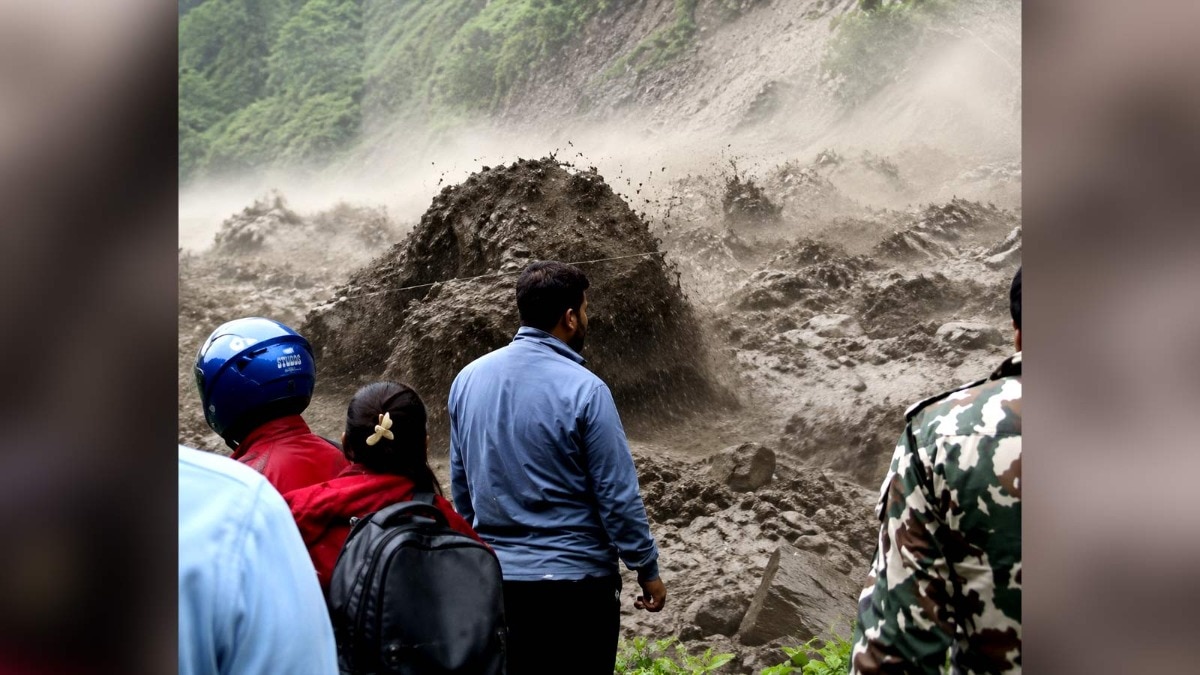
A catastrophic glacial collapse has triggered massive flash floods across the Nepal-Tibet border, leaving over 900 dead and thousands missing, with many trapped in hydropower project tunnels.
- Over 900 confirmed deaths and nearly 5,000 people missing across Nepal and Tibet.
- Disaster triggered by a massive glacier collapse near Langtang Lirung peak.
- India and China have deployed specialized tunnel rescue experts and forensic teams.
- Critical focus on Trishuli 3A and 3B hydropower project tunnels.
Five days after devastating flash floods tore through the Himalayan region, rescue teams in Nepal are racing against time to locate thousands of missing persons. The crisis, which originated in Tibet following a massive glacial collapse, has evolved into a severe humanitarian emergency, sweeping through the Rasuwa, Nuwakot, and Dhading districts of Nepal.
The Scale of Rescue Operations: Nepali Prime Minister Balendra Shah confirmed that approximately 21,000 security personnel, alongside civilian volunteers, are mobilized. In a significant diplomatic shift, Nepal has accepted international aid. China has deployed over 2,100 rescue workers and provided 220 million yuan ($33m) in aid, utilizing advanced thermal cameras and sound detectors to locate survivors beneath the debris.
India has provided critical tactical support, flying in 18 army officers specializing in tunnel rescue and six forensic teams for DNA-based identification. To restore connectivity in washed-out areas, the Indian army is supplying Bailey bridges—prefabricated military structures—to ensure rescue teams can reach isolated villages.
Why This Matters
BozokMedia analysis shows that the concentration of missing persons in hydropower tunnels reveals a systemic failure in disaster preparedness for critical infrastructure in the Himalayas. As glacial melt accelerates due to global warming, these 'underground traps' pose a lethal risk to the thousands of laborers working on energy projects in high-risk zones.
"The collapse of high-altitude glaciers is no longer a rare event but a recurring symptom of a warming planet that threatens all downstream settlements."
The Tunnel Crisis: The most harrowing aspect of the disaster is the fate of 933 workers stationed at various hydropower projects. According to the National Disaster Risk Reduction and Management Authority, several dams were obliterated, and many workers are believed to be entombed in mud and rock within half a dozen tunnels. Rescue teams have used heavy drills to break into the Trishuli 3A tunnel, pumping in air and using cameras to search for survivors.
Environmental Complications: The rescue mission has been repeatedly hampered by the brutal terrain and erratic weather. Overnight rains have frequently refilled excavation sites with water, forcing teams to pause operations. Furthermore, the formation of two large barrier lakes creates a secondary threat of outburst floods, which could potentially trigger further devastation downstream.
| Detail | Nepal Impact | Tibet Impact |
|---|---|---|
| Death Toll | 903 | 16 |
| Missing Persons | 4,247 | 546 (incl. 261 foreigners) |
| Primary Cause | Glacial Collapse / Floods | Glacial Collapse |
Frequently Asked Questions
Q1: What triggered the flash floods?
A: A glacier near the Langtang Lirung peak collapsed, plunging 1,200 meters and sending a surge of debris into the Lende River.
Q2: Which countries are assisting in the rescue?
A: China and India are providing primary technical and military support, with additional aid from the UN, Red Cross, USA, South Korea, and Australia.