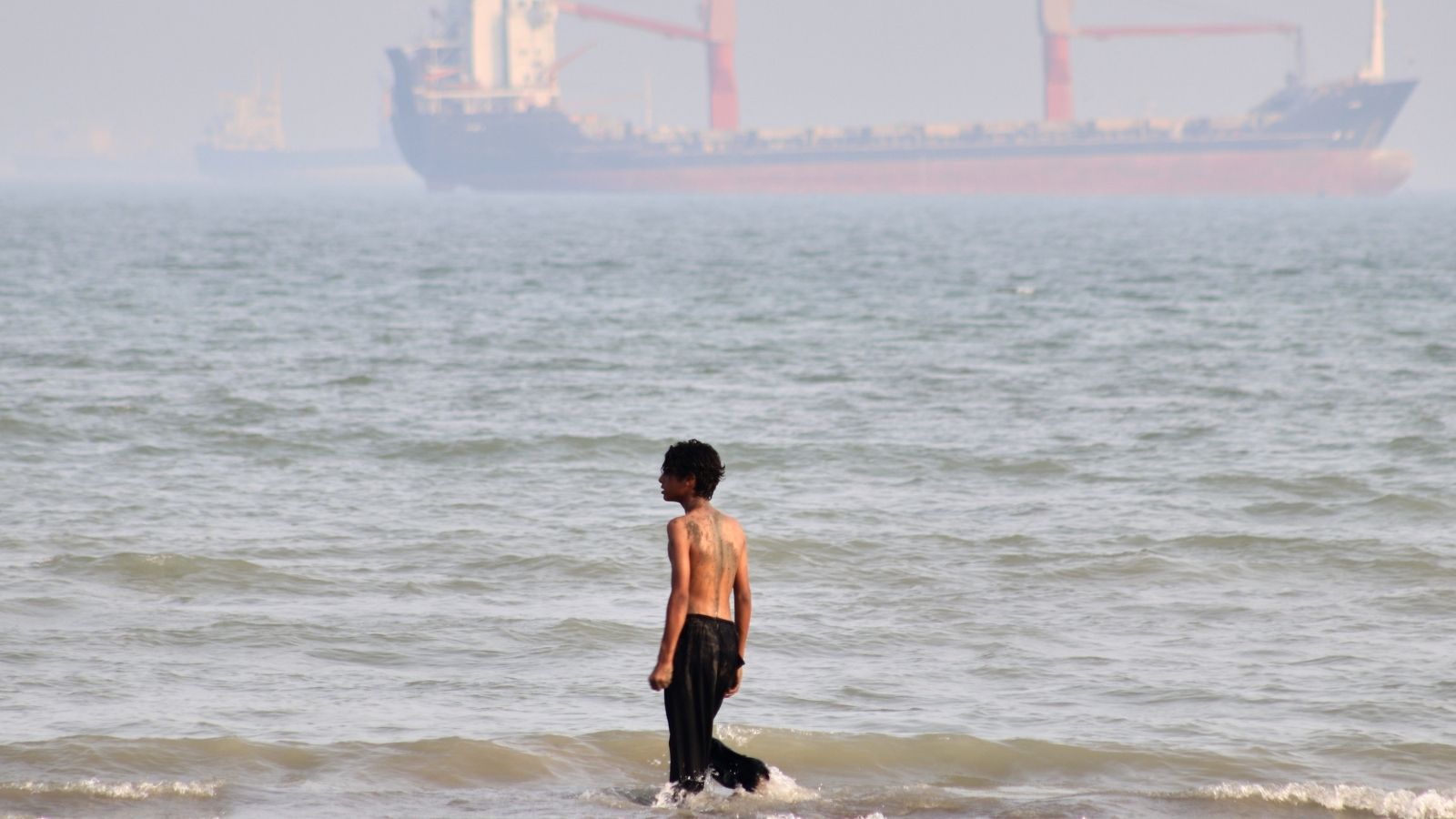
On the sidelines of the SCO Summit in Kyrgyzstan, PM Narendra Modi held high-stakes talks with Iranian President Masoud Pezeshkian. The meeting comes at a critical juncture of heightened tensions in the Strait of Hormuz and West Asian volatility.
- High-level bilateral meeting between PM Modi and President Pezeshkian.
- Focus on maritime security in the Strait of Hormuz and energy stability.
- Strategic coordination ahead of the BRICS summit involving Russia and China.
In a significant diplomatic maneuver during the Shanghai Cooperation Organization (SCO) summit in Kyrgyzstan, Prime Minister Narendra Modi engaged in a pivotal meeting with the President of Iran, Masoud Pezeshkian. This interaction is particularly poignant given the current geopolitical climate, where the risk of conflict between the US and Iran remains a global concern.
The discussions centered heavily on the Strait of Hormuz, a critical chokepoint for global oil transit. For India, ensuring the uninterrupted flow of energy is a matter of national security. Both leaders explored avenues to maintain stability in the region and discussed the acceleration of the Chabahar Port project, which serves as India's gateway to Central Asia.
Why This Matters
BozokMedia analysis shows that India is employing a 'multi-aligned' foreign policy. By maintaining a dialogue with Tehran while remaining a key ally of Washington, New Delhi is asserting its role as a stabilizing power in the Global South. This meeting underscores India's refusal to be boxed into any single power bloc.
"The Modi-Pezeshkian dialogue is a testament to India's strategic autonomy, prioritizing national interest over ideological alignments."
Beyond Iran, the summit has set the stage for a complex diplomatic dance involving Russia and China. With the BRICS summit following shortly after the SCO, strategic analysts, including Brahma Chellani, have noted the rarity of this coincidence. The world is closely watching for any potential breakthrough or formal meeting between PM Modi and Chinese President Xi Jinping regarding border tensions.
Historically, India-Iran relations have been anchored in deep cultural ties and shared economic interests. Despite the challenges posed by international sanctions, the current dialogue suggests a mutual desire to find pragmatic solutions for trade and connectivity that do not trigger external sanctions.
Strategic Analysis: Perspectives
| Key Issue | Iran's Perspective | India's Perspective |
|---|---|---|
| Regional Security | Opposing Western Intervention | Advocating for Peace & Stability |
| Connectivity | Seeking Strategic Partnerships | Energy Security & Market Access |
| Global Ties | Seeking Sanction Relief | Maintaining Strategic Autonomy |
Frequently Asked Questions
1. What was the primary focus of the PM Modi-President Pezeshkian meeting?
The primary focus was on regional security in West Asia, energy security, and the operationalization of the Chabahar Port.
2. How does this affect India's relationship with the US?
India manages its relations through strategic autonomy, ensuring that its ties with Iran for connectivity and energy do not compromise its comprehensive global strategic partnership with the US.