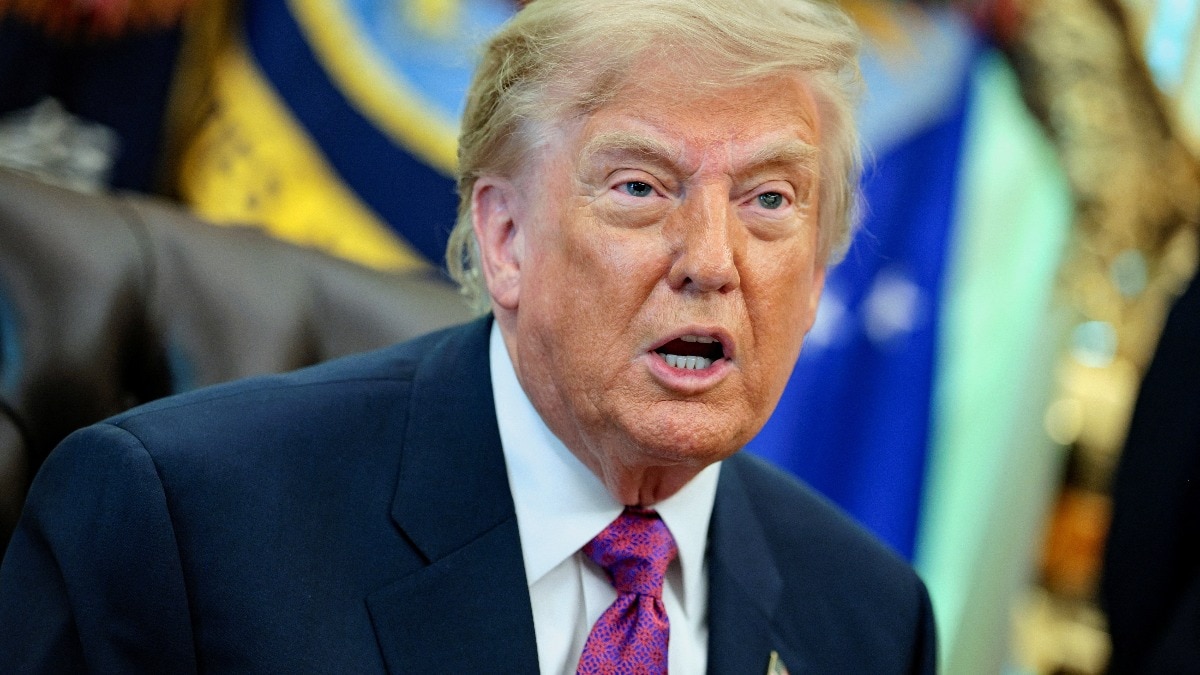
In a high-level bilateral meeting, Prime Minister Narendra Modi urged Iranian President Masoud Pezeshkian to ensure the safety of Indian seafarers in the volatile Strait of Hormuz. India seeks firm guarantees amid rising regional conflicts.
- PM Modi held critical bilateral talks with President Masoud Pezeshkian.
- The safety of Indian crew members in the Strait of Hormuz was the primary focus.
- India sought assurances despite maintaining a neutral diplomatic stance.
In a significant diplomatic engagement, Prime Minister Narendra Modi and Iranian President Masoud Pezeshkian held a bilateral meeting where New Delhi formally raised the critical issue of the safety and security of Indian seafarers navigating through the Strait of Hormuz. The region, a vital artery for global energy trade, has become a flashpoint for geopolitical tensions.
During the discussions, the Indian leadership highlighted the harrowing experiences of multiple Indian sailors who have borne the brunt of ongoing regional conflicts. Reports indicate that Indian crew members have been caught in crossfires, stranded on vessels for extended periods, and have suffered casualties, despite India's consistent policy of neutrality in the region's political disputes.
Why This Matters
BozokMedia analysis shows that a disproportionately large percentage of global merchant ship crews are Indian nationals. Any escalation in the Persian Gulf doesn't just threaten global oil prices but directly endangers thousands of Indian lives. By raising this issue directly with President Pezeshkian, India is signaling that its 'strategic autonomy' does not come at the cost of its citizens' safety.
The protection of merchant mariners in conflict zones is a litmus test for the effectiveness of bilateral diplomatic assurances.
Historically, the Strait of Hormuz has been a site of intense maritime friction. As the only sea passage from the Persian Gulf to the open ocean, it is frequently used as a tool for political leverage by regional powers. The risk to neutral third-party crews, particularly those from India, has increased as asymmetric warfare becomes more common in the region.
Frequently Asked Questions
Q1: Why is the Strait of Hormuz so volatile?
It is a strategic chokepoint where geopolitical tensions between Iran, the US, and other regional actors often manifest as maritime threats.
Q2: What is India's primary objective in these talks?
India aims to secure official guarantees from Iran to ensure that Indian seafarers are not targeted or detained during regional escalations.