An OSINT investigation has uncovered a network of fake social media profiles using personal QR codes and AI-generated content to siphon donations intended for Nepal flood victims.
- Over 20 suspicious Instagram and Facebook accounts identified soliciting aid for Bhotekoshi floods.
- Most fake profiles were created in August 2026 or renamed to mimic relief organizations.
- Scammers utilized personal UPI QR codes and misleading footage from Assam, India, to deceive donors.
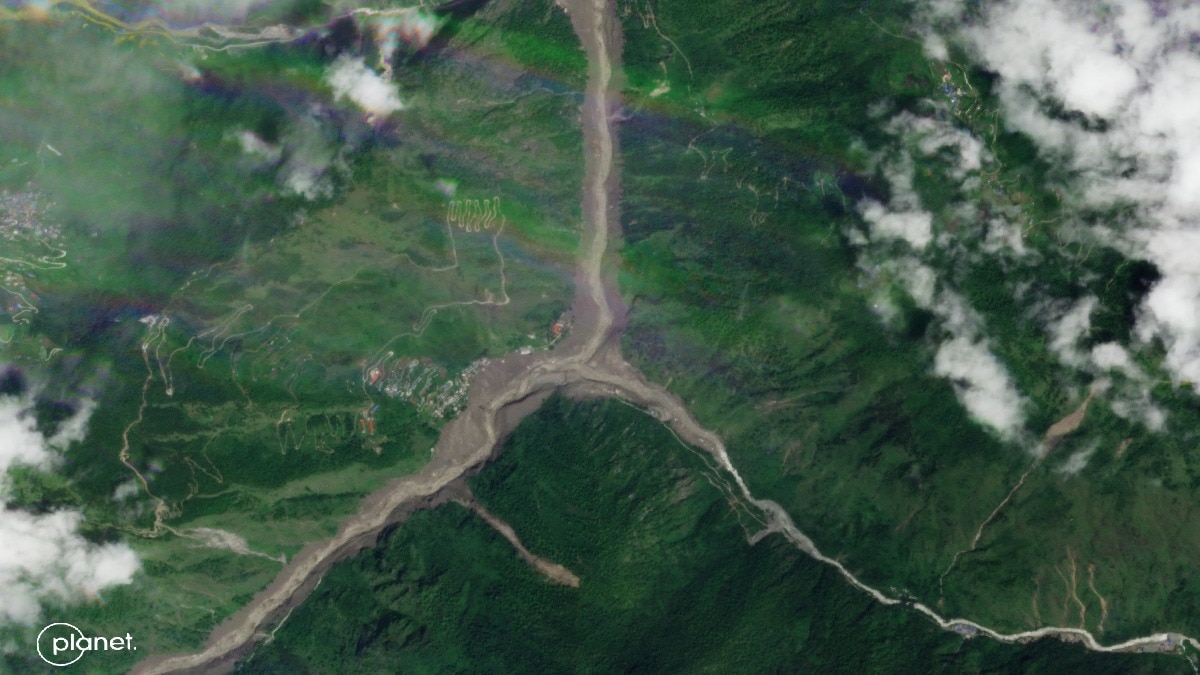
The aftermath of the August 26 Bhotekoshi floods in Nepal has brought out both the best and worst of human nature. While global generosity surged, opportunistic cyber-criminals capitalized on the tragedy by creating fraudulent social media handles to solicit funds under the guise of humanitarian aid.
A comprehensive Open Source Intelligence (OSINT) examination revealed a disturbing pattern. Out of 20 flagged accounts on Instagram and Facebook, 15 were activated only after the floods occurred. Eleven of these were created in August 2026, while others were repurposed profiles that changed their usernames to appear as established relief agencies like "Nepal Aid" or "Nepal Help".
Why This Matters
BozokMedia analysis shows that these scams represent a sophisticated evolution of social engineering. By blending real disaster footage with AI-generated imagery, scammers create a high-pressure emotional environment that bypasses a donor's critical thinking. This not only results in financial loss but severely damages the credibility of legitimate NGOs operating in crisis zones.
The technical red flags were consistent across most fraudulent pages. Every QR code analyzed by the OSINT team was registered to an individual's name rather than a registered non-profit organization. Furthermore, the scammers employed deceptive visual tactics, such as posting old footage of floods in Assam, India, claiming it was current footage from Nepal.
"The weaponization of empathy through digital facades is a growing threat that requires immediate verification protocols for all online fundraising."
When contacted, some operators displayed extreme evasiveness. One individual claiming to be in Rajasthan could not explain how the funds were being routed to victims. Another account was found to have changed its username 14 times and even misappropriated the name of the 'Cockroach Janta Party' (CJP) to lend a false sense of political legitimacy to its appeals.
In response to the surge in fraud, the Prime Minister’s Office (PMO) of Nepal has issued a stern warning. Spokesperson Hemraj Aryal urged the public to avoid unauthorized QR codes and personal bank accounts. The government has emphasized that all contributions should be routed exclusively through the "PRIME MINISTER DISASTER RELIEF FUND" or other officially sanctioned government channels.
Frequently Asked Questions
1. What are the common signs of a fake donation page?
Look for accounts with very few posts, recent creation dates, and payment methods linked to personal names rather than official organization titles.
2. How can I ensure my donation reaches the actual victims in Nepal?
Only use official government portals or verified international agencies like the Red Cross, and verify the account name as 'Prime Minister Disaster Relief Fund'.