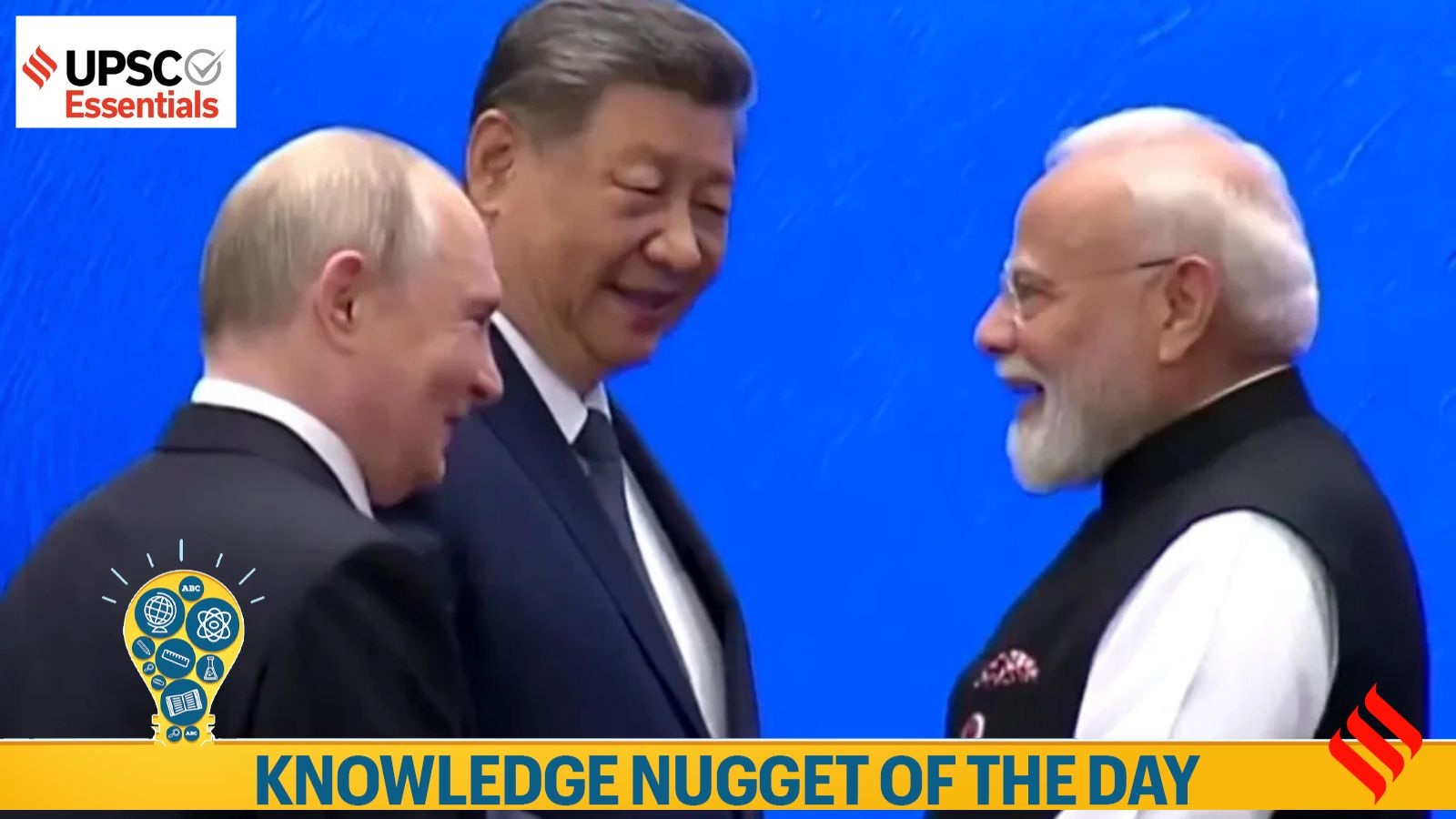
The deepening strategic and economic partnership between China and Kyrgyzstan is reshaping Central Asian geopolitics. Driven by President Xi Jinping's vision, the 'golden' ties focus on security, infrastructure, and regional connectivity.
- China and Kyrgyzstan are entering a 'Golden Era' of bilateral relations.
- Enhanced security cooperation against terrorism is a top priority.
- Infrastructure development via BRI is transforming Kyrgyz connectivity.
The strengthening strategic and economic partnership between China and Kyrgyzstan has signaled a transformative shift in the geopolitical landscape of Central Asia. Recent diplomatic engagements have characterized the relationship as a 'golden' bond, moving far beyond simple trade into deep-rooted strategic cooperation.
Under the leadership of President Xi Jinping, China has intensified its engagement with Bishkek, focusing on long-term stability and mutual prosperity. This partnership is heavily anchored in the Belt and Road Initiative (BRI), which aims to integrate Kyrgyzstan more deeply into global trade routes, providing much-needed infrastructure to this landlocked nation.
Why This Matters
BozokMedia analysis shows that the China-Kyrgyzstan nexus is a cornerstone for regional stability. As Kyrgyzstan serves as a vital gateway for China to access Central Asian markets, any strengthening of these ties has a ripple effect across the entire Eurasian continent, influencing energy security and transit corridors.
The China-Kyrgyzstan partnership is evolving from a commercial arrangement into a fundamental pillar of regional security.
On the security front, the Shanghai Cooperation Organization (SCO) has emerged as a critical platform for this cooperation. President Xi has urged SCO member states to prioritize security, specifically targeting the 'three evils' of terrorism, separatism, and extremism, to ensure a peaceful environment for economic growth.
Historical Background
Historically, Kyrgyzstan has sought to balance its foreign policy among various regional powers. However, the massive influx of Chinese investment in the last decade has shifted the gravity of Kyrgyz economic policy toward Beijing. This shift is part of a broader trend where China is asserting its leadership in Eurasia through economic integration and security pacts.
The implications of this 'golden' tie extend to global supply chains. As China positions itself as a global leader, its ability to secure stable, friendly corridors through nations like Kyrgyzstan becomes a strategic necessity in an increasingly multipolar world.
Frequently Asked Questions
1. What are the main drivers of China-Kyrgyzstan relations?
The primary drivers are infrastructure development, energy security, and enhanced regional security through the SCO.
2. How does the SCO impact this relationship?
The SCO provides a multilateral framework for both nations to cooperate on counter-terrorism and regional stability.