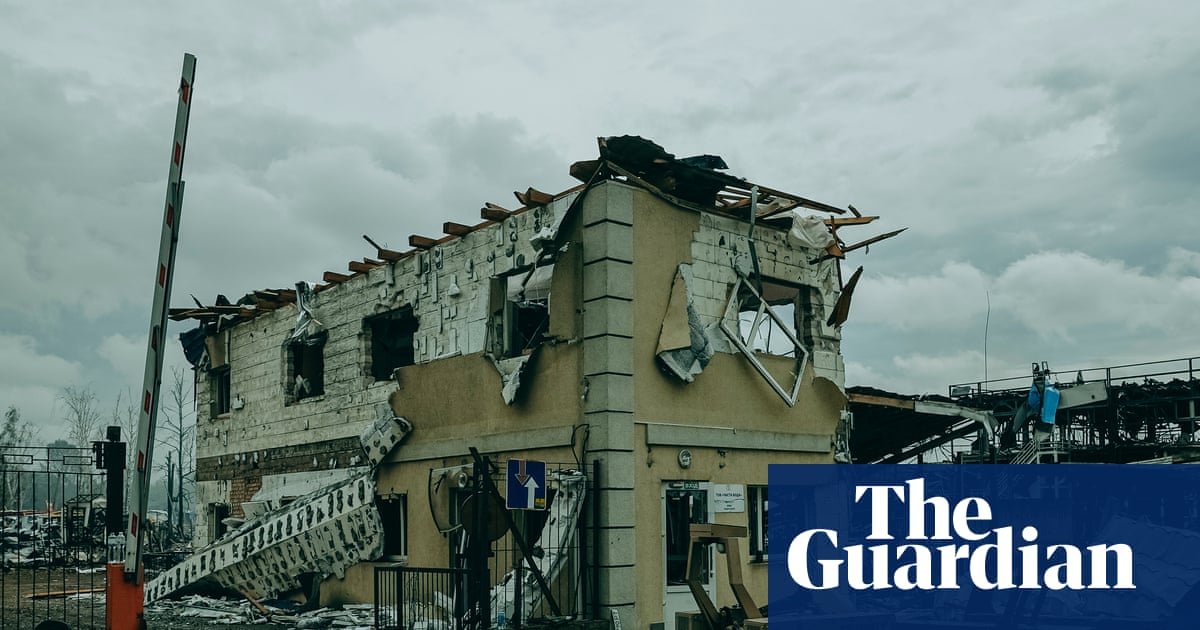
A devastating Russian drone strike on an ammunition warehouse in Myla village has left 38 dead, sparking intense local anger over the dangerous placement of military depots near civilian homes.
- 38 people confirmed dead, including 30 from a nearby care home, following a drone strike on a munitions dump in Myla.
- Local residents are accusing Ukrainian authorities of negligence for storing lethal weaponry in residential zones.
- The incident follows a similar tragedy in Vyshneve, suggesting a systemic issue with depot placement.
The village of Myla, located just 15 miles outside the capital of Kyiv, has been turned into a wasteland of shattered glass and scorched earth. A Russian jet-powered drone strike on a hidden ammunition warehouse has triggered a chain of explosions that lasted for six hours, leaving the local population in a state of shock and fury. For residents like 61-year-old Volodymyr, the aftermath is a surreal landscape where family gardens are blackened and homes have been stripped of their roofs.
The human cost of this strategic miscalculation is staggering. The death toll has risen to 38, with a heartbreaking concentration of casualties at a local care home situated dangerously close to the warehouse. As emergency services struggle to clear the site amidst ongoing drone threats, the survivors are left to navigate a neighborhood littered with unexploded Grad rocket shells, mines, and cluster munitions.
Why This Matters
BozokMedia analysis shows that this incident highlights a critical vulnerability in Ukraine's domestic defense logistics. While the primary aggressor is undoubtedly Russia, the placement of high-risk military assets within civilian corridors creates 'secondary targets' that amplify the lethality of any single strike. This pattern of placing depots near residential areas suggests a desperate need for more secure, isolated storage solutions to prevent civilian collateral damage.
The intersection of military necessity and civilian safety is currently a flashpoint of tension within war-torn communities.
This is not an isolated event. In early July, a similar strike occurred in Vyshneve, where nine people were killed and 280 homes were damaged. In that instance, two individuals were detained for allowing weapons to be stored in an inappropriate location. The repetition of these events has led residents like Liudmyla to point fingers at both the Kremlin's aggression and the internal failures of the Ukrainian military logistics chain.
The psychological toll is as heavy as the physical destruction. Residents who believed they were living next to humanitarian aid centers now realize they were residing atop a powder keg. The smell of sulfur still hangs heavy over Myla, a constant reminder of the volatility of their surroundings.
| Incident Location | Casualties | Impact |
|---|---|---|
| Myla Village | 38 Dead | Care home destroyed, residential ruins |
| Vyshneve | 9 Dead | 280 homes damaged |
Frequently Asked Questions
Who is investigating the Myla warehouse strike?
Ukraine's intelligence service has launched a criminal inquiry to determine why the depot was located near a residential area and a care home.
What are the immediate risks for the survivors?
The area remains dangerous due to unexploded ordnance, including mines and cluster munitions scattered across private properties.