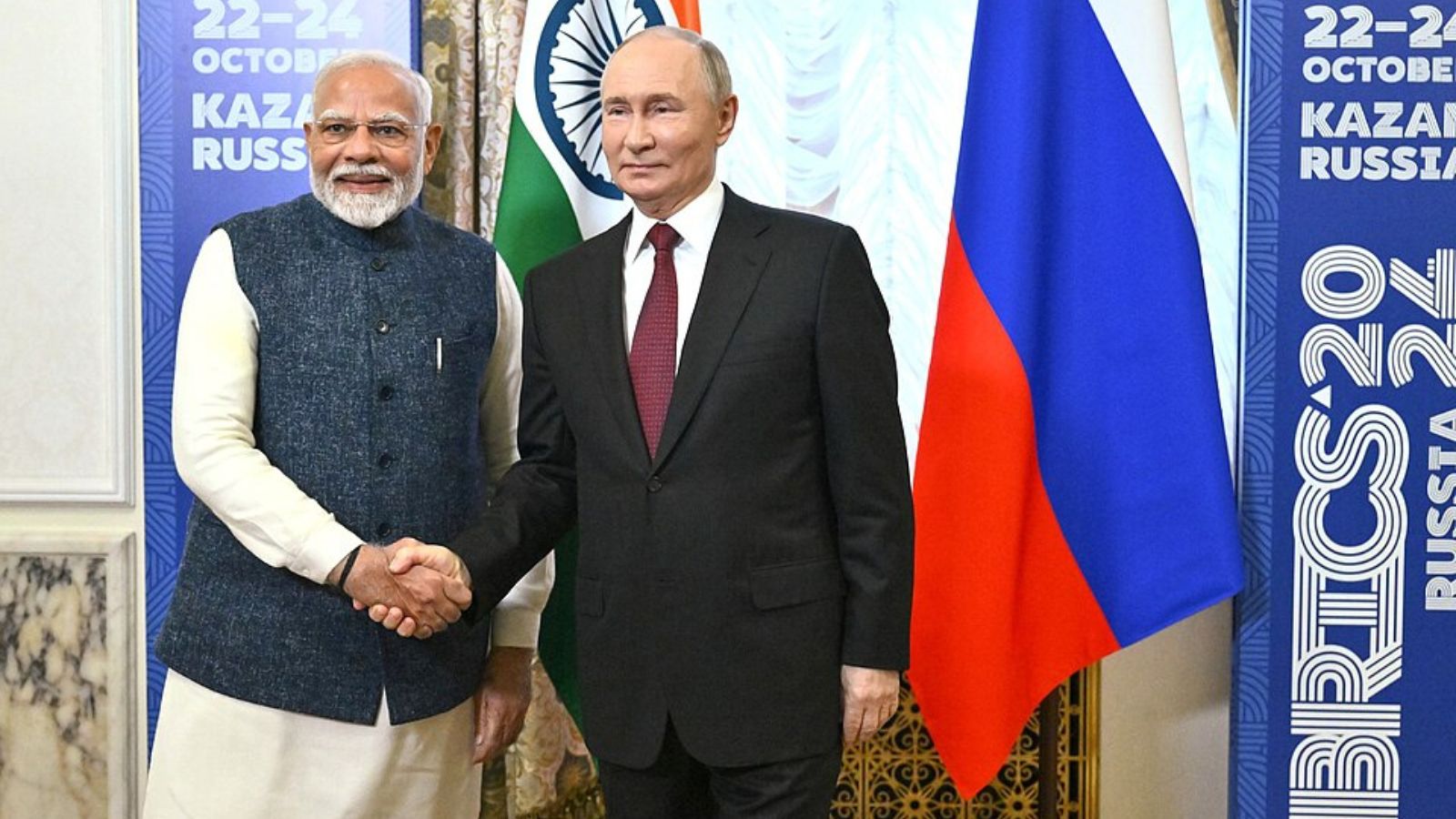
As trade tariffs strain relations with key allies, Scott Bessent has engaged with G20 leaders to build a unified front regarding the escalating Iran issue.
- Scott Bessent held critical discussions with G20 representatives to align on Iran-related security concerns.
- Tensions are rising due to US tariff policies affecting traditional diplomatic allies.
- The meeting seeks to decouple economic friction from essential geopolitical security cooperation.
In a high-stakes diplomatic maneuver, Scott Bessent has engaged in intensive consultations with G20 leaders. The primary objective of these huddles is to consolidate international support against Iran's growing regional influence and nuclear ambitions. This comes at a precarious moment when US trade policies, specifically aggressive tariff structures, are creating significant friction with long-standing allies.
The dual challenge facing the current administration is twofold: managing economic protectionism while simultaneously demanding collective security action. The use of tariffs as a primary tool of economic statecraft has left many G20 nations feeling vulnerable, complicating the effort to build a unified coalition against Iranian provocations.
Why This Matters
BozokMedia analysis shows that the success of US foreign policy now hinges on its ability to separate commercial disputes from strategic security imperatives. If allies perceive that economic interests are being sacrificed for political leverage, the collective response to Iran may become fragmented and ineffective.
The intersection of aggressive trade protectionism and global security demands is creating a new era of diplomatic volatility.
Historically, the post-war international order relied on a synergy between economic stability and collective defense. However, the current shift toward unilateral tariff enforcement threatens to dismantle the trust required for multilateral security frameworks. For G20 members, the dilemma is clear: support US-led security initiatives or protect their domestic industries from potential trade retaliation.
Diplomatic sources suggest that while there is consensus on the risks posed by Iran, the 'tariff elephant in the room' continues to hinder deep cooperation. The ability of Bessent to navigate this minefield will determine the stability of the current global security architecture.
Frequently Asked Questions
1. Why is the Iran issue causing tension in the G20?
The issue is sensitive because it requires unified security action, which is being complicated by existing trade disputes and tariffs.
2. How do tariffs impact diplomatic relations?
Tariffs can create economic distrust, making allies hesitant to commit to strategic goals that might conflict with their economic interests.