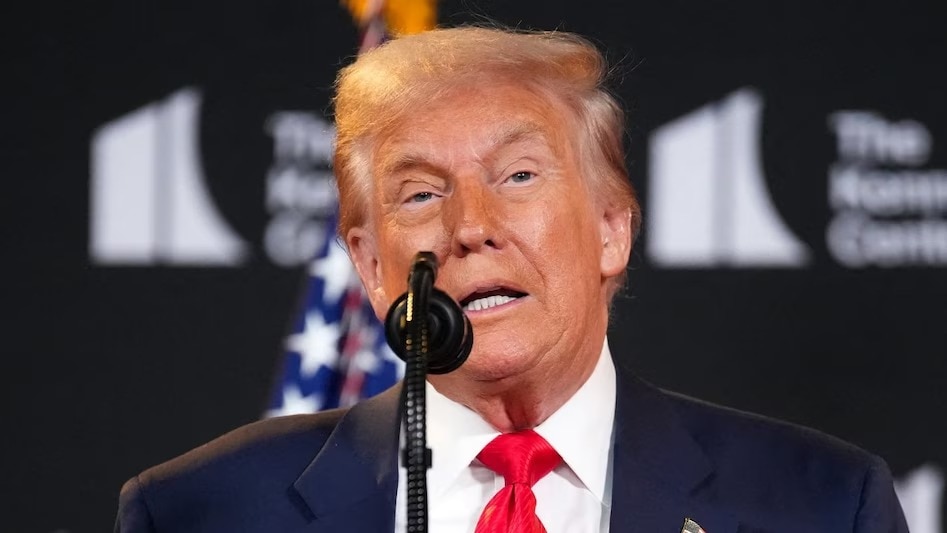
Top advisers to Donald Trump are reportedly bracing for a scenario where military tensions with Iran persist through the end of his presidential term. The strategic deadlock comes amid high-stakes election cycles and fluctuating global oil prices.
- Trump's top advisers are analyzing the risk of a long-term war with Iran.
- The administration suggests a resolution may only be possible after the US midterms.
- Global energy markets remain volatile as oil and gas prices are tied to geopolitical stability.
In an exclusive report, it has emerged that senior officials within Donald Trump's inner circle are confronting the sobering possibility that a military confrontation with Iran could extend well beyond the current political timeline, potentially lasting until the end of his term. This internal acknowledgment suggests a shift from the previous rhetoric of a 'quick resolution' to a more cautious, long-term strategic outlook.
The geopolitical tension has reached a fever pitch as the US navigates a complex web of sanctions and diplomatic failures. While Trump has publicly mentioned that talks with Tehran are possible, the timing remains the primary hurdle. Sources indicate that the administration believes the Iranian leadership is attempting to influence US domestic politics, creating a deadlock that prevents immediate peace negotiations.
Why This Matters
BozokMedia analysis shows that this prolonged tension is not merely a diplomatic failure but a calculated strategic gamble. By linking the end of the conflict to the post-election period, the administration is attempting to maintain a position of strength while avoiding a full-scale war that could destabilize the global economy during a sensitive voting window.
"The intersection of electoral politics and national security often leads to 'strategic patience,' which in the case of Iran, could inadvertently lead to a war of attrition."
The economic implications are equally severe. Trump has explicitly noted that oil and gas prices are unlikely to see a significant drop until 'right after' the midterm elections. This suggests that the administration views energy prices as a geopolitical lever, where stability is traded for political outcomes.
Historical Background
The rivalry between the US and Iran has spanned decades, escalating significantly after the US withdrawal from the JCPOA (Joint Comprehensive Plan of Action). The 'Maximum Pressure' campaign aimed to cripple the Iranian economy to force a new deal, but it has instead led to increased proxy conflicts across the Middle East and heightened tensions in the Strait of Hormuz.
| Strategy | Short-Term Goal | Long-Term Risk |
|---|---|---|
| Maximum Pressure | Force Negotiations | Regional Escalation |
| Diplomatic Engagement | De-escalation | Perceived Weakness |
Frequently Asked Questions
Will the war with Iran end before the midterms?
According to recent statements, the administration believes a resolution is more likely after the elections.
How does this affect gas prices?
The volatility in the Middle East keeps global oil prices high; a resolution is expected to lead to a price drop.