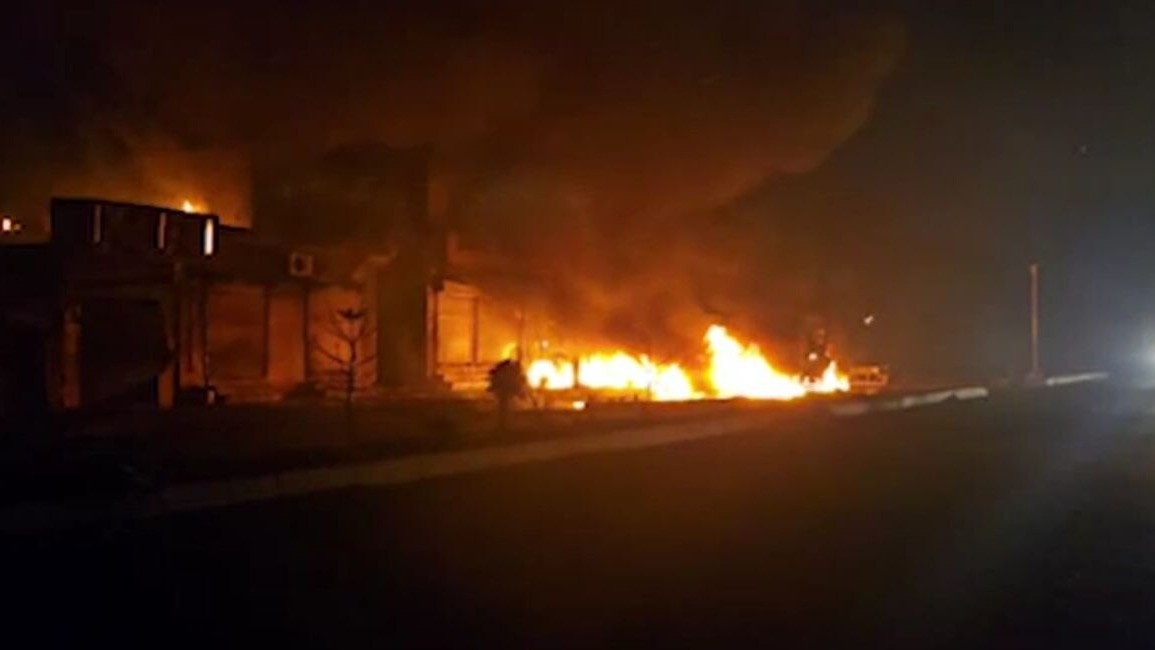
Following devastating flash floods that killed hundreds, Nepal's Prime Minister Balendra Shah has called for global climate action, labeling the disaster a direct result of environmental shifts.
- PM Balendra Shah termed the Himalayan floods as a non-ordinary event driven by climate change.
- India has successfully rescued 158 nationals from the affected regions.
- Indian forensic experts are assisting Nepal Police in DNA analysis for victim identification.
- Railway Minister Ashwini Vaishnaw has deployed special coaches for affected passengers.
The Himalayan region has been struck by a catastrophic sequence of flash floods and landslides, leaving a trail of destruction across the Nepal-China border. Prime Minister Balendra Shah has officially declared that the flooding of the Bhote Koshi River in Rasuwa was not a routine natural occurrence but a major disaster triggered by massive snow and ice avalanches. This event underscores the escalating risks faced by the Himalayan belt due to global warming.
Rescue operations are currently in a critical phase, with teams racing against time to locate hundreds of workers trapped in hydropower project tunnels that were buried under layers of mud and debris. The scale of the tragedy has prompted the Nepali government to seek a stronger voice in international climate forums to demand accountability and support.
Why This Matters
BozokMedia analysis shows that the Nepal disaster serves as a grim harbinger for the entire South Asian region. The shift from seasonal flooding to erratic, high-intensity 'climate-driven' events indicates that the Himalayan cryosphere is destabilizing. This creates a ripple effect, threatening water security and infrastructure for billions of people downstream in India, Bangladesh, and beyond.
"The acceleration of glacial melt in the Himalayas is transforming dormant risks into active catastrophes, demanding a total overhaul of regional disaster management."
India's response has been swift and coordinated. The Ministry of External Affairs (MEA) confirmed that 158 Indian nationals have been rescued. Beyond evacuation, India has deployed a specialized forensic team to Kathmandu to collaborate with the Nepal Police’s Forensic Science Laboratory, optimizing protocols for the identification of mortal remains through DNA analysis.
To ensure the seamless return of affected individuals, Railway Minister Ashwini Vaishnaw announced that the Railway Board is coordinating with state and district authorities. Special coaches and necessary facilities have been arranged to transport rescued victims back to their home destinations safely.
Frequently Asked Questions
1. How many Indian citizens were rescued from the Nepal floods?
According to the MEA, 158 Indian nationals have been rescued so far.
2. What caused the floods in the Bhote Koshi River?
Prime Minister Balendra Shah stated it was triggered by an avalanche of snow and ice, exacerbated by climate change.