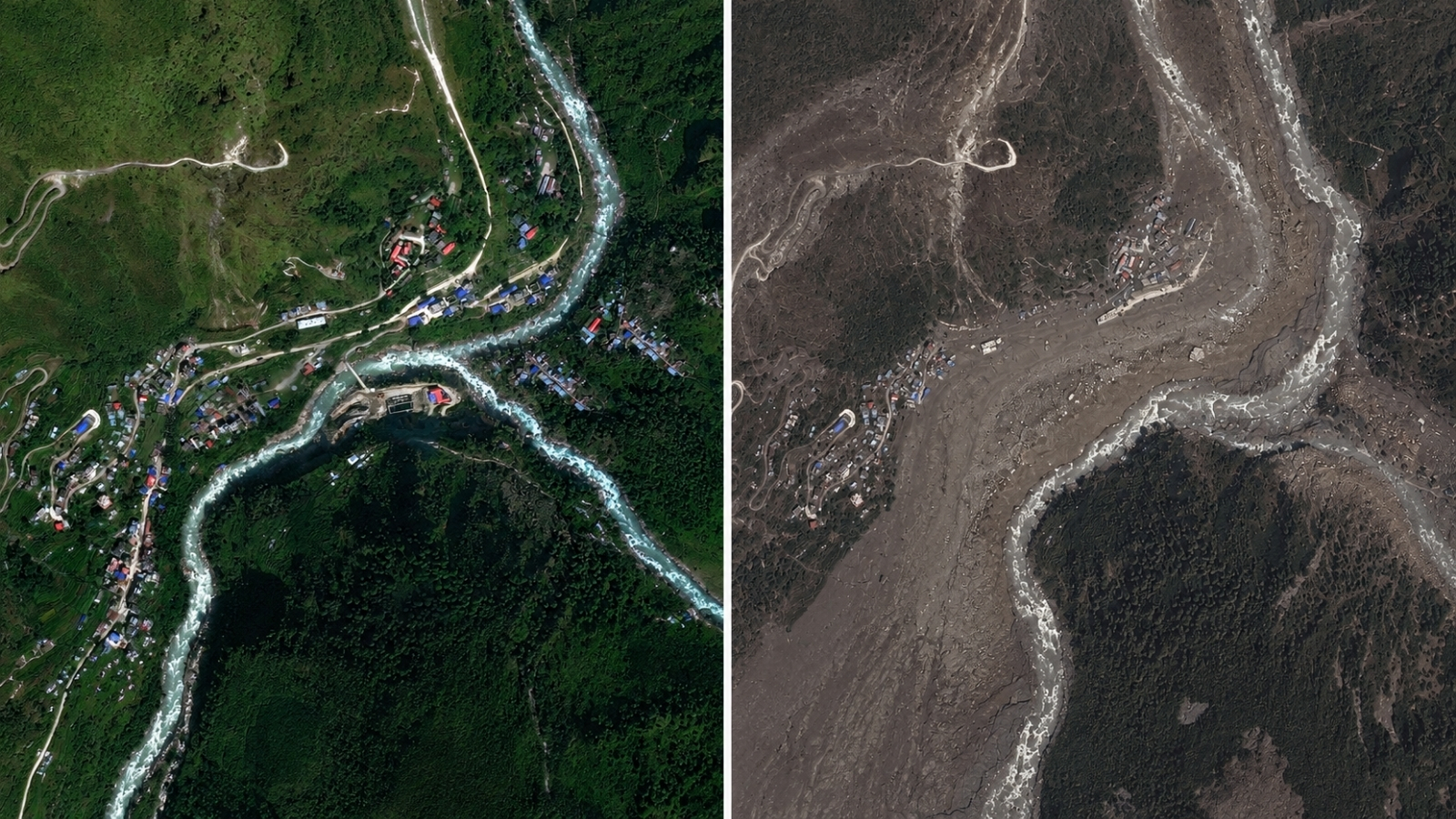
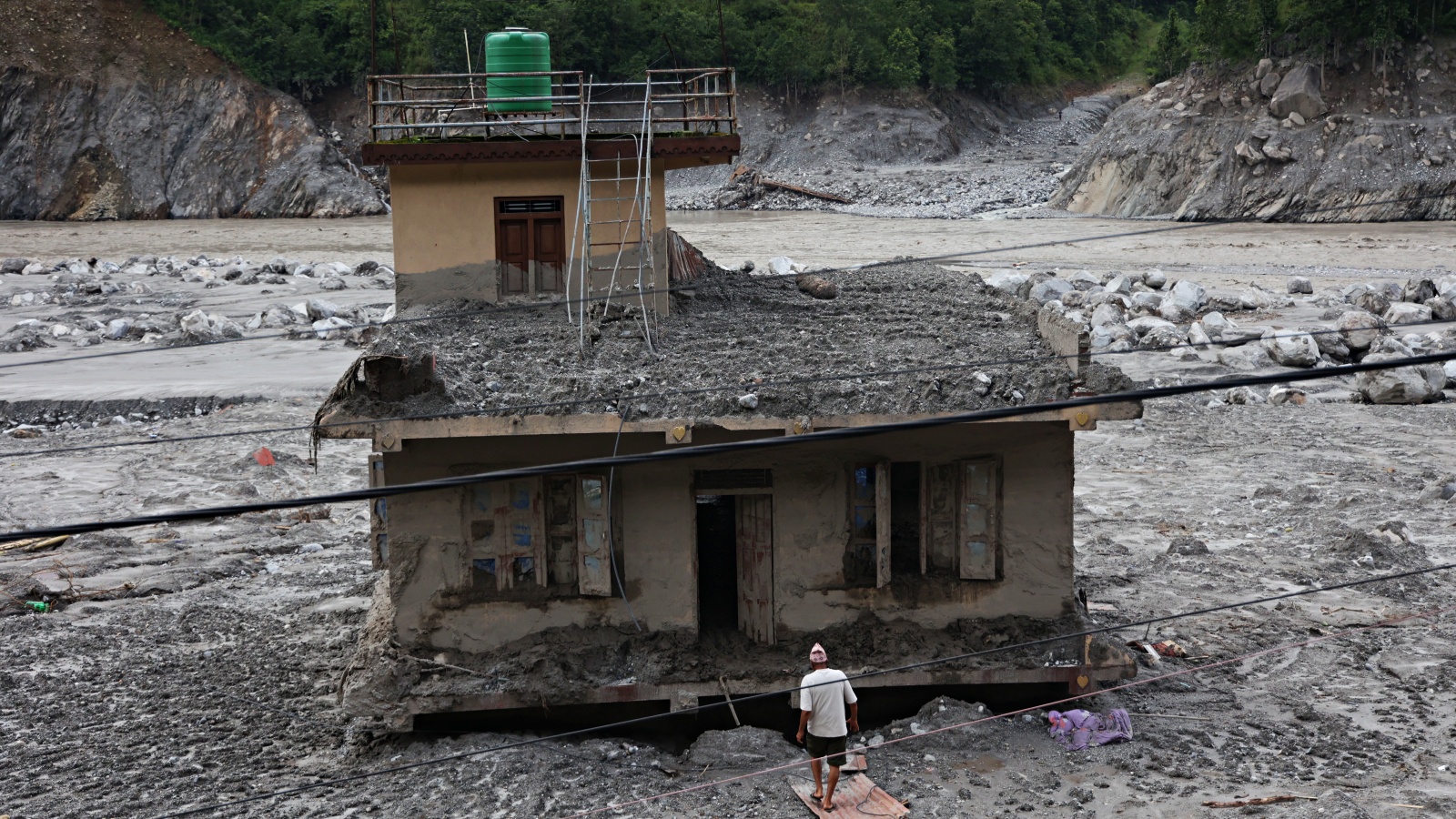
Following the recent devastating floods, Nepal is now bracing for another round of torrential rainfall. Meteorological authorities have issued high-level alerts as the threat of landslides and rising river levels intensifies.
- Nepal's Meteorological Department has issued a high-alert for heavy rainfall.
- The threat of landslides and flash floods has increased significantly.
- Local authorities are on standby to manage rising water levels in vulnerable zones.
Nepal is once again grappling with a severe weather crisis. Just as the nation began to recover from the recent catastrophic flooding, a new wave of heavy rainfall is threatening to worsen the humanitarian situation. The Department of Hydrology and Meteorology has issued urgent warnings, predicting intense downpours over the next 48 hours across multiple regions.
In areas like Muchhorwa, rising water levels have already triggered panic among local residents. The continuous rainfall is not only threatening to submerge low-lying areas but is also heightening the risk of massive landslides in the hilly terrains, which could cut off essential supply routes and isolate entire communities.
Why This Matters
BozokMedia analysis shows that Nepal's unique topography makes it exceptionally vulnerable to extreme weather events. The convergence of melting glacial runoff and intense monsoon rains creates a 'perfect storm' for flash floods, which can devastate infrastructure and local economies in a matter of minutes.
The recurring cycle of floods in Nepal is a stark reminder of the escalating climate emergency in the Himalayan region.
As the rain continues, the focus remains on disaster preparedness and the capacity of emergency services to respond to sudden landslides. The regional implications are also significant, as the overflow of rivers in Nepal often leads to increased water levels in the downstream plains of India.
Frequently Asked Questions
1. What are the primary risks mentioned in the weather alert?
The primary risks include flash floods, rising river levels, and widespread landslides in hilly districts.
2. How can people stay safe during this alert?
Authorities advise staying away from riverbanks, avoiding travel in landslide-prone areas, and following official government instructions.