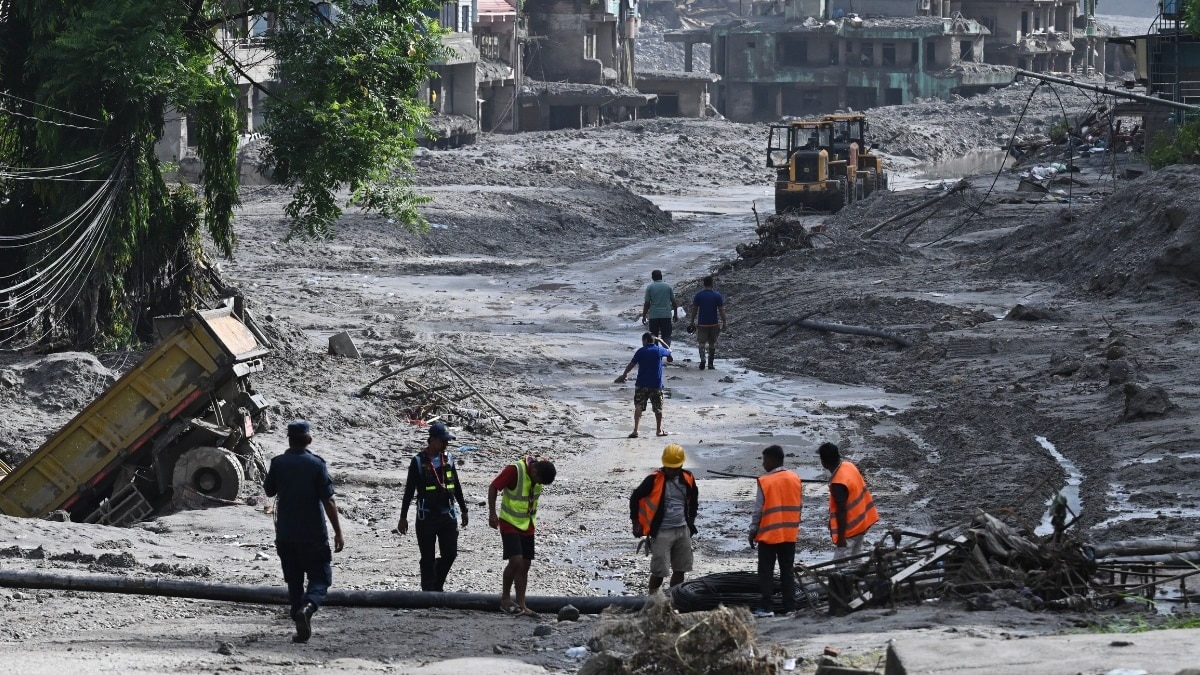
A devastating flash flood in Nepal has claimed 962 lives, with nearly 4,000 people still missing. Rescue operations face severe challenges due to mud-blocked tunnels, destroyed highways, and massive infrastructural damage.
- Nepal's death toll from catastrophic flash floods reaches 962, with nearly 4,000 people still unaccounted for.
- Severe infrastructure damage, including mud-blocked hydropower tunnels and blocked highways, is severely hindering rescue operations.
- The United Nations reports that over 65,000 citizens are in desperate need of emergency water, sanitation, and hygiene kits.
A humanitarian crisis of unprecedented proportions is unfolding in Nepal as the death toll from catastrophic flash floods and landslides has surged to 962. According to the latest updates from local authorities and rescue teams, nearly 4,000 people remain missing, leaving families in agonizing suspense. Search and rescue operations are working against the clock in extremely hostile terrains, grappling with blocked highways and mud-filled tunnels.
The devastation is widespread, with tragic stories emerging from various districts. In Nuwakot’s Betrabati area, rescue workers recovered 23 bodies from a single collapsed residential structure on Tuesday morning, highlighting the sudden and violent nature of the deluge. Meanwhile, downstream in India, 13 bodies were recovered from the Gandak River and are currently being prepared for repatriation to Nepal. Anxiety is also mounting in Rasuwa's Uttargaya village, where approximately 350 students have been reported missing.
The industrial sector has taken a massive hit; rescue operations at the Trishuli 3A hydropower project remain stalled for the sixth consecutive day, while 118 workers at the Trishuli 3B project remain completely unaccounted for. Mud and heavy debris have blocked the entrances to these massive tunnels, complicating the military's rescue efforts.
Why This Matters
A BozokMedia analysis shows that the scale of this disaster highlights the extreme vulnerability of the Himalayan region to climate-induced weather anomalies. The destruction of vital hydropower infrastructure like the Trishuli projects not only halts immediate power generation but also threatens the long-term economic stability of Nepal and its energy-export agreements with neighboring nations.
"The compounding effects of blocked transport arteries and choked hydropower tunnels present a logistical nightmare for rescue teams, requiring specialized international disaster response coordination." - Regional Disaster Management Analyst.
The United Nations has issued an urgent appeal, stating that approximately 65,000 people are in dire need of emergency water, sanitation, and hygiene (WASH) assistance. Women and children are particularly vulnerable, requiring immediate nutritional and protective support. The blockage of major transit routes, including the vital Prithvi Highway, continues to choke the supply chain of essential relief materials.
Historically, Nepal's monsoon season brings heavy precipitation, but the intensity and suddenness of flash floods in recent years have dramatically increased. Experts attribute this trend to rapid glacial melting and unplanned infrastructure development along vulnerable riverbeds, making events like the 2026 flood far more destructive than historical averages.
| Project Name | Current Status | Key Issue / Missing Personnel |
|---|---|---|
| Trishuli 3A Hydropower | Operations stalled for 6 days | Tunnel blocked by thick mud and debris |
| Trishuli 3B Hydropower | Rescue operations ongoing | 118 workers unaccounted for inside/around site |
Frequently Asked Questions
1. Why are rescue operations at the hydropower projects delayed?
Rescue teams, including the Nepal Army, are struggling to enter the tunnels of Trishuli 3A and 3B because they are completely blocked by heavy mud, rocks, and landslide debris.
2. What is the current status of international aid?
The United Nations and various international agencies are mobilizing emergency kits for over 65,000 affected people, focusing on clean water, sanitation, and nutritional support for women and children.