Amid escalating tensions in the Middle East, Iran has asserted that it does not seek war but will respond decisively to any aggression. The Iranian leadership is calling for regional unity to ensure security.
- Iran explicitly stated that prolonging the war is contrary to its national interests.
- Warning of a 'strong and decisive' response to any act of aggression.
- Emphasis on regional stability as a collective necessity for all nations.
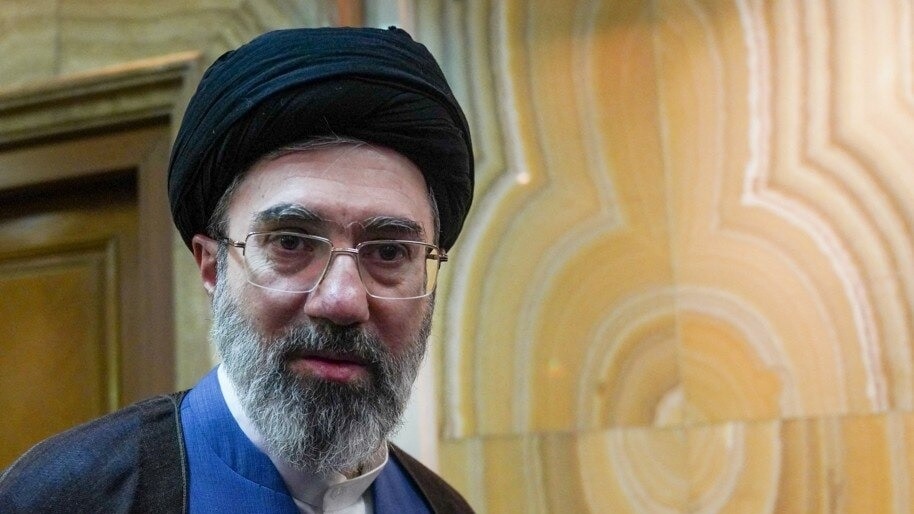
In a significant diplomatic shift amid flaring conflicts in the Middle East, Iran has declared that continuing the current cycle of warfare is not in its strategic interest. Through state-aligned media and official presidential statements, Tehran has emphasized that while it does not seek an all-out war, it remains prepared to defend its sovereignty with absolute strength.
The Iranian President's remarks highlight a critical desire for stability, suggesting that regional volatility poses an existential challenge to all neighboring states. Furthermore, reports indicate that Tehran views a peace Memorandum of Understanding (MoU) with the United States as a potential pathway to alleviate systemic pressures and ensure long-term security.
Why This Matters
BozokMedia analysis shows that Iran is currently navigating a precarious balance between maintaining its 'Axis of Resistance' and avoiding a direct, catastrophic war with Western powers. This shift in rhetoric suggests that economic pressures and internal stability are now outweighing the strategic gains of prolonged regional conflict.
"Iran's current strategy is a calculated mix of deterrence and diplomacy, aiming to prevent a full-scale war while ensuring its regional influence remains intact."
Historically, the relationship between Iran and the U.S. has been defined by mutual distrust since the 1979 Revolution. The collapse of the JCPOA (Nuclear Deal) and the subsequent imposition of 'maximum pressure' sanctions have pushed Tehran into a corner. The current call for peace suggests a tactical pivot to avoid total economic collapse while maintaining a posture of strength.
On a regional scale, Iran's influence extends through a network of proxies in Lebanon, Syria, and Yemen. Any move toward de-escalation by Tehran could fundamentally alter the dynamics of these conflicts. Moreover, the global energy market remains on edge, as any direct clash involving Iran could disrupt the Strait of Hormuz, a critical artery for global oil supplies.
Frequently Asked Questions
Q1: Is Iran genuinely seeking peace?
A: While official statements express a preference for peace, Iran maintains a policy of 'active deterrence,' meaning it will fight if provoked.
Q2: What is the status of Iran-US relations?
A: Relations remain strained, but the Iranian presidency has recently signaled that a peace agreement could be in Tehran's interest.