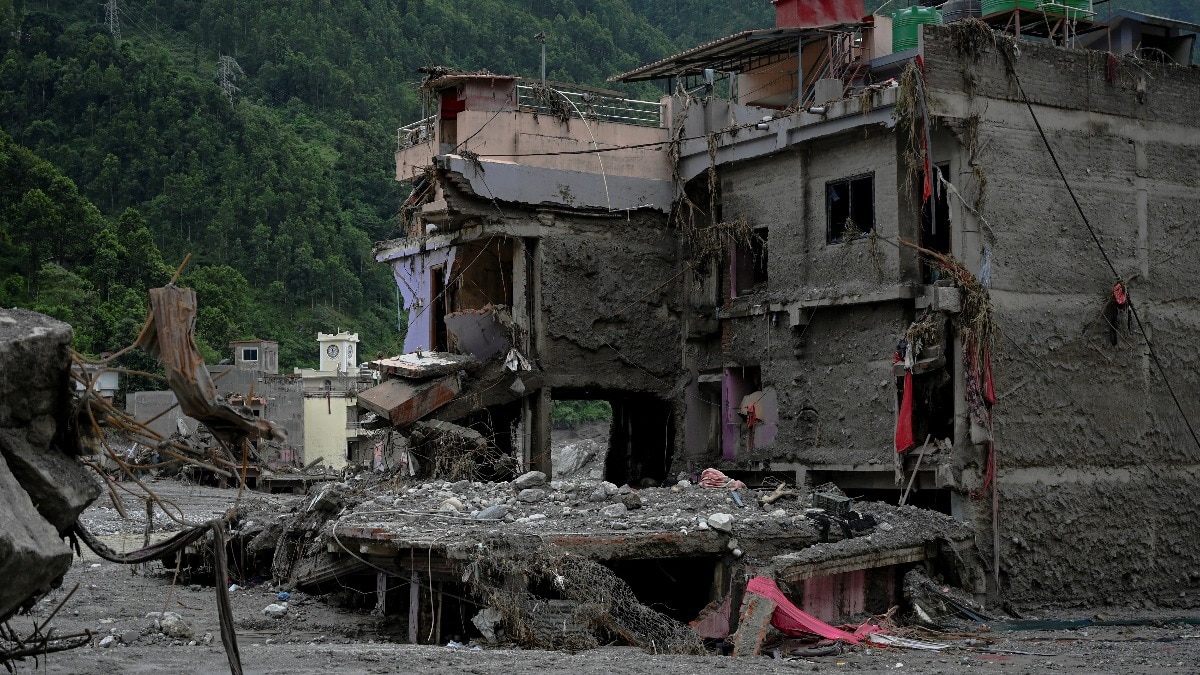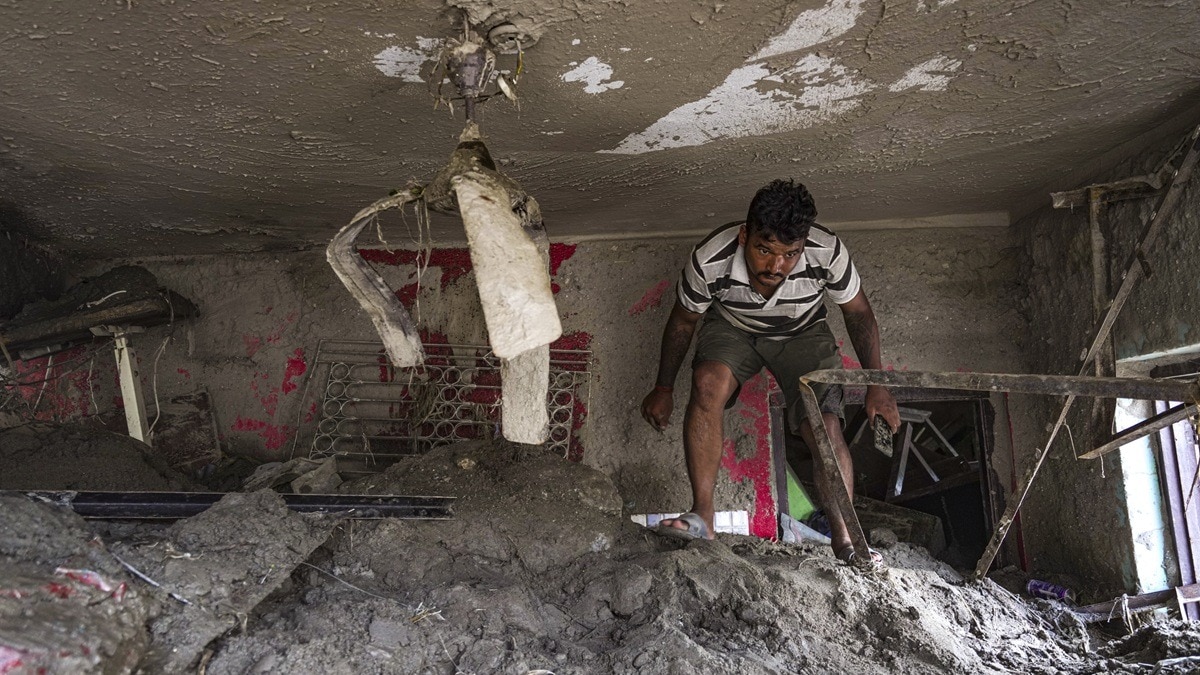
A devastating flood in Nepal has left a trail of destruction with 962 confirmed dead and thousands missing. The recovery of 23 bodies from a single home in Nuwakot has shocked the nation, while fears of an epidemic now loom over the region.
- A total of 962 bodies have been recovered, with approximately 4,000 people still missing.
- A horrific discovery in Betrawanti, Nuwakot district, revealed 23 bodies within a single residence.
- Hundreds of engineers and workers remain trapped at the Trishuli 3A and 3B Hydropower Projects.
- The decomposition of bodies trapped in debris has sparked a severe risk of an epidemic.
The aftermath of the catastrophic floods in Nepal continues to reveal a harrowing scene of devastation. As rescue teams sift through mountains of debris, the toll of human loss continues to climb. In a heart-wrenching discovery on Tuesday, rescue agencies recovered 23 bodies from a single house in Betrawanti, Nuwakot district, highlighting the sheer violence of the floodwaters.
The impact of the disaster has extended beyond Nepal's borders. In a grim cross-border development, 23 bodies were recovered from the Gandak River within Indian territory. Indian authorities are currently coordinating with Nepali agencies to repatriate the deceased. Meanwhile, in the village of Uttargaya in the Rasuwa district, the disappearance of approximately 350 students has left the community in a state of profound grief and desperation.
Why This Matters
BozokMedia analysis shows that this tragedy exposes the critical gap in disaster preparedness for large-scale infrastructure projects. The fact that 118 people at the Trishuli 3B Hydropower Project and over 40 engineers at the Trishuli 3A project remain cut off from communication for days suggests a failure in emergency evacuation protocols for high-risk industrial sites.
"The convergence of extreme weather and unplanned infrastructure in the Himalayas is creating a 'death trap' scenario that requires immediate international intervention."
The situation at the hydropower sites remains critical. At the Trishuli 3B project, 118 personnel, including engineers and laborers, are stranded without any means of communication. Similarly, at the Trishuli 3A project, 40 to 42 engineers are trapped, with rescue operations facing significant delays, leaving their fate uncertain.
Beyond the immediate search and rescue, a secondary crisis is emerging: the threat of an epidemic. Seven days after the disaster, a pungent stench has begun to permeate the affected areas. The decomposition of bodies buried under mud and debris is contaminating the environment, posing a severe health risk to survivors and rescue workers alike.
| Region/Project | Current Status | Casualties/Missing |
|---|---|---|
| Nuwakot (Betrawanti) | Residential Collapse | 23 bodies (single house) |
| Uttargaya Village | Student Disappearances | ~350 students missing |
| Trishuli 3B Project | Communication Blackout | 118 people stranded |
| Trishuli 3A Project | Rescue Delay | 40-42 engineers stranded |
Frequently Asked Questions
1. How many people are currently missing in the Nepal floods?
According to current reports, approximately 4,000 people are still missing, while 962 bodies have been recovered.
2. Why is there a risk of an epidemic in the region?
The decomposition of numerous bodies trapped under debris and mud is causing environmental contamination, which can lead to the rapid spread of water-borne and infectious diseases.