Russian President Vladimir Putin asserted that Russia is making significant gains in the Ukraine conflict, while simultaneously labeling the Ukrainian leadership as 'terrorists' with whom Moscow refuses to negotiate.
- Putin claimed Russian forces are accelerating advances in the Donetsk region.
- Ukrainian drone strikes on Russian infrastructure were labeled 'state terrorism.'
- Moscow remains open to talks to end the war, provided they are constructive.
- New military mobilization rumors were dismissed by the Kremlin.
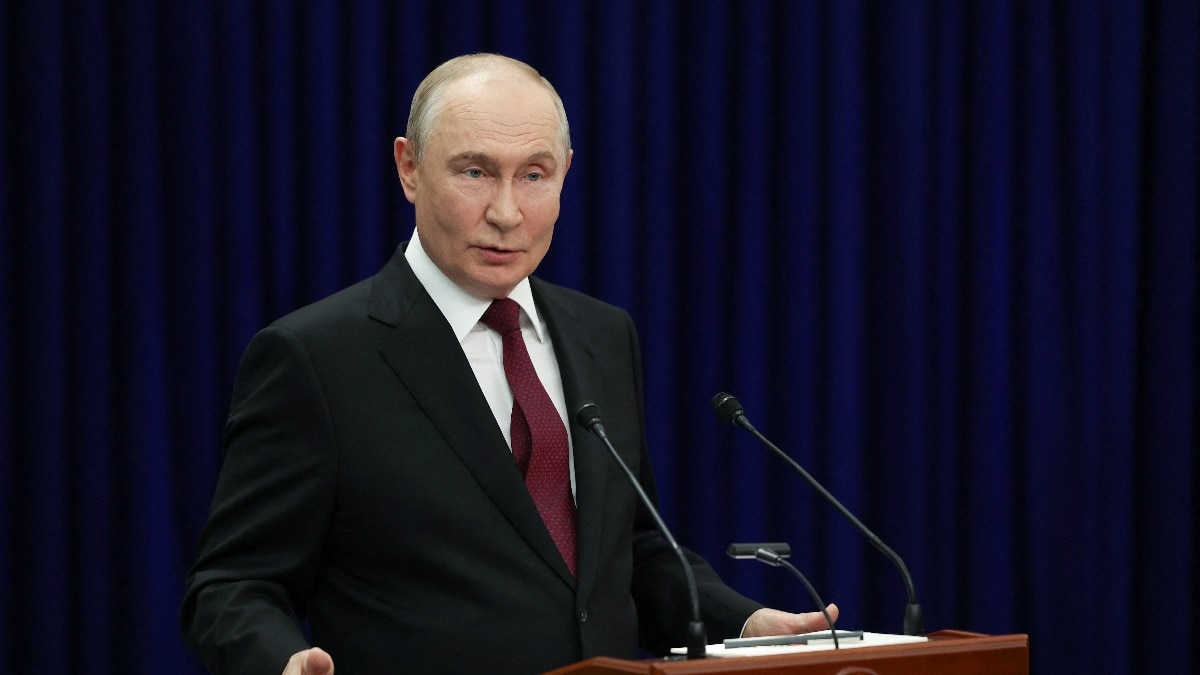
Russian President Vladimir Putin delivered a defiant stance on the ongoing conflict in Ukraine on Tuesday. Following a summit in Kyrgyzstan, Putin projected immense confidence, asserting that Russia is winning the war and that the enemy is destined to crumble. However, he drew a hard line by labeling the Ukrainian leadership as "terrorists," stating that Moscow cannot engage in negotiations with such entities.
Providing a detailed military update, Putin claimed that Russian troops have captured approximately 270 square kilometers of the Donetsk region in eastern Ukraine during August. He further alleged that large contingents of Ukrainian troops, totaling several thousand, have been surrounded by Russian forces. While these claims remain unverified by independent sources like Reuters, they underscore Moscow's intent to project military dominance.
Why This Matters
BozokMedia analysis shows that Putin's rhetoric serves a dual purpose: boosting domestic morale amidst war fatigue and signaling to the West that Russia's territorial gains are irreversible. By categorizing the Ukrainian administration as terrorists, Putin is effectively raising the bar for any future diplomatic resolution, making a negotiated settlement significantly more complex.
By framing the Ukrainian leadership as terrorists, Putin is shifting the conflict from a territorial dispute to an existential struggle against non-state-like actors.
The Russian President also addressed the impact of Ukrainian drone strikes, acknowledging damage to oil refineries but insisting that the situation is under control. He stated that only 10% of the affected refineries require repairs. Furthermore, Putin dismissed accusations from the German government regarding drone attacks at Leipzig airport, accusing Chancellor Friedrich Merz's administration of using Russia as a scapegoat for domestic political failures.
Historical Background
The full-scale invasion of Ukraine by Russia began in early 2022, marking the largest conventional military conflict in Europe since World War II. Over the past four and a half years, the war has evolved into a grueling war of attrition, with Russia currently controlling nearly 20% of Ukrainian territory. Global implications include massive shifts in NATO's posture and significant disruptions to global energy and grain supplies.
Frequently Asked Questions
1. Is Russia open to peace talks?
Yes, Putin stated that Russia is open to talks aimed at ending the war, provided the participants can make a tangible and positive contribution to the process.
2. What did Putin say about military mobilization?
Putin explicitly rejected rumors of a new military mobilization, calling them "utter nonsense."