A profound examination of the initial 17 minutes of the September 11 attacks and how those moments of chaos reshaped global security and geopolitics forever.
- The initial 17 minutes of 9/11 triggered a paradigm shift in global security.
- The attacks fundamentally altered the landscape of international geopolitics and warfare.
- Failures in intelligence and aviation security led to the modern era of heightened surveillance.
On the morning of September 11, 2001, the world witnessed a sequence of events that defied imagination. The 9/11 terrorist attacks were not just a tragedy; they were a seismic shift in the course of human history. The critical first 17 minutes of the crisis represented the transition from a state of relative normalcy to a state of global emergency, altering the trajectory of the United States and the entire world.
According to historical analysis, those fleeting minutes saw the hijacking of commercial airliners and the systematic targeting of symbols of American economic and political power. The speed and coordination of the attacks exposed massive vulnerabilities in domestic intelligence and aviation security, proving that the threats of the 21st century would look vastly different from those of the 20th.
Why This Matters
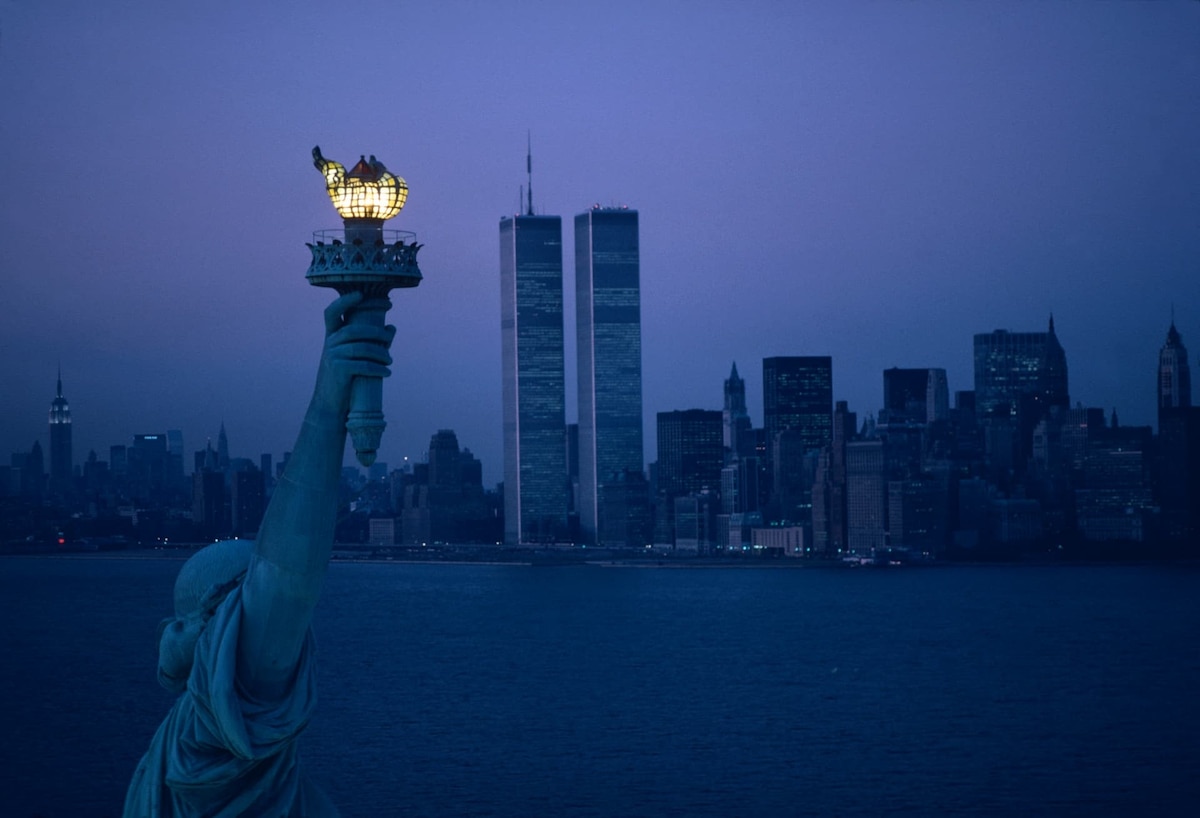
BozokMedia analysis shows that the impact of those 17 minutes extends far beyond the physical destruction of the Twin Towers. It catalyzed the 'War on Terror,' leading to prolonged conflicts in the Middle East and a fundamental restructuring of how nations approach intelligence, border control, and international cooperation.
The intensity of those 17 minutes demonstrated how a meticulously planned strike by non-state actors could destabilize the entire global order.
Historically, before 9/11, terrorism was often viewed through a regional lens. However, the scale of this attack forced the global community to recognize terrorism as a transnational threat. This realization led to the creation of sophisticated surveillance networks and much more stringent protocols in civil aviation.
The geopolitical ripples of that morning are still felt today in diplomatic relations, military doctrines, and the ongoing debate over the balance between national security and individual privacy. The architecture of modern security was built on the lessons learned during those chaotic moments.
Frequently Asked Questions
Question 1: How did 9/11 change aviation security?
Answer: It led to much stricter passenger screening, cockpit security reinforcements, and advanced surveillance technologies.
Question 2: What was the primary geopolitical outcome of the attacks?
Answer: The primary outcome was the initiation of the Global War on Terror, affecting international alliances and military interventions for decades.