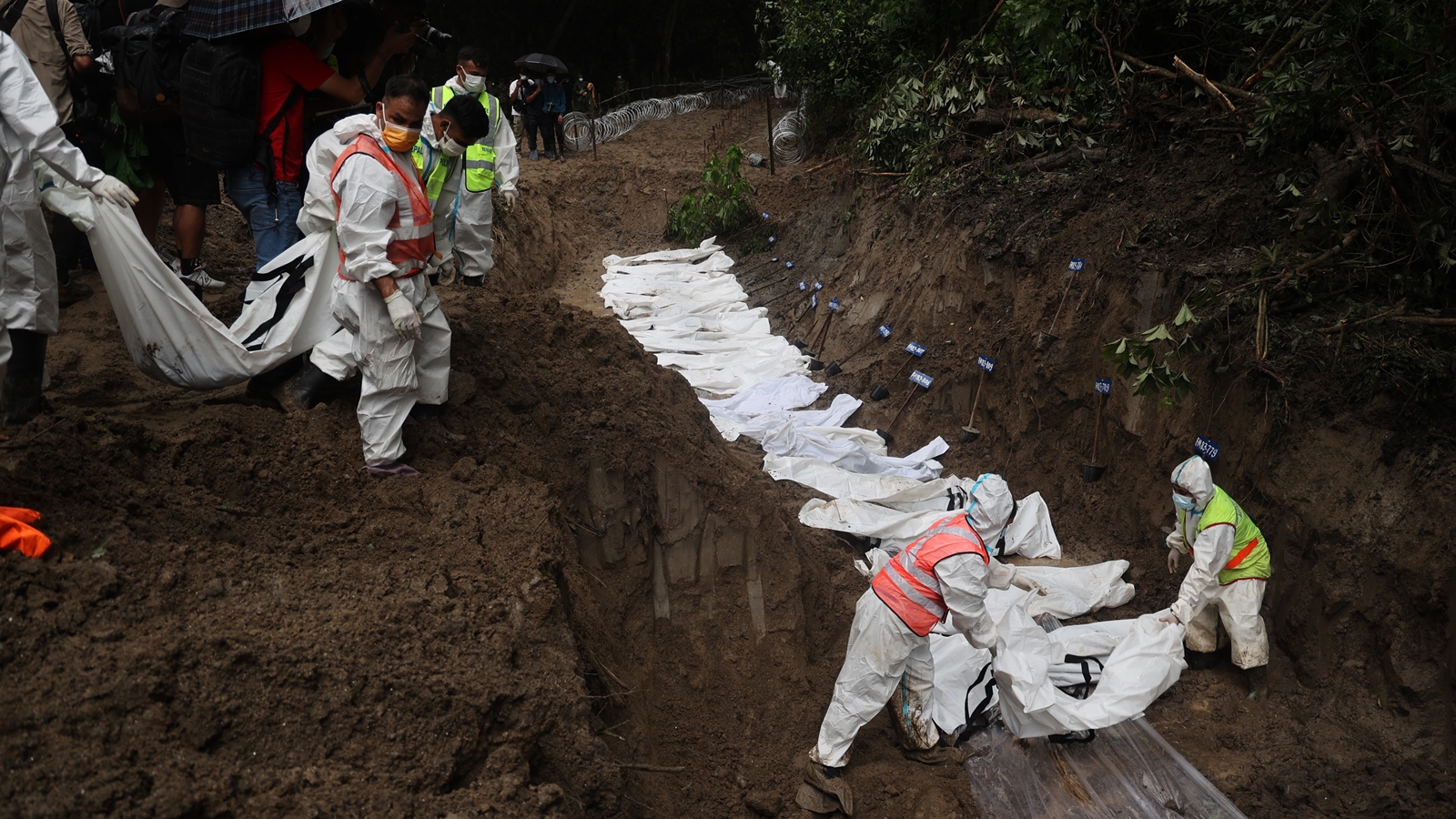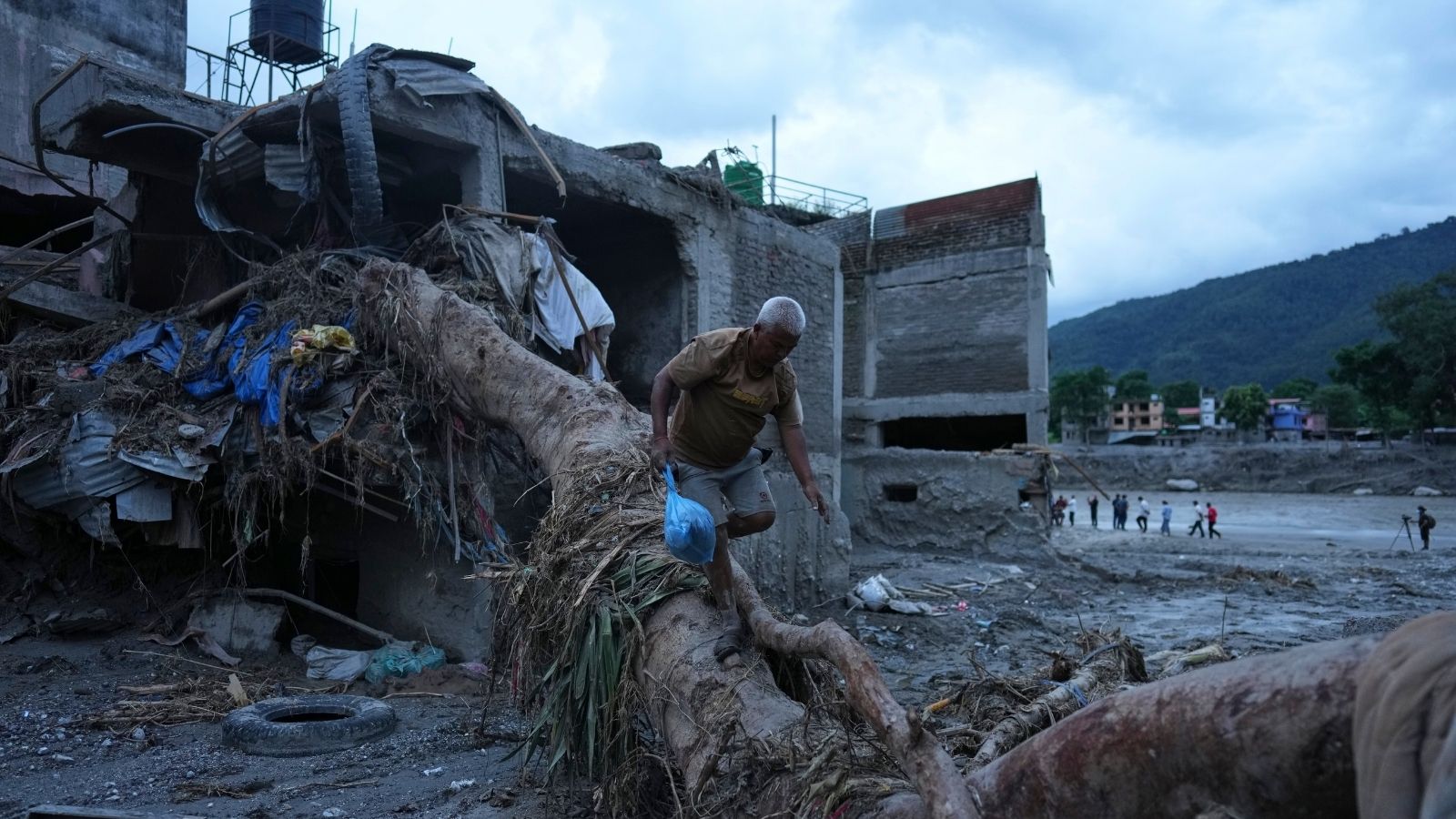
Following devastating flash floods in Nepal, the Ministry of External Affairs has confirmed the rescue of 163 Indian nationals. Specialized Indian rescue teams are battling extreme conditions in submerged hydropower tunnels to ensure no one is left behind.
In a major update regarding the ongoing humanitarian crisis in Nepal, the Ministry of External Affairs (MEA) announced on Tuesday that 163 Indian nationals have been rescued so far. The rescue operations are being conducted in close coordination with the Nepalese authorities to mitigate the impact of the catastrophic flash floods.
MEA spokesperson Randhir Jaiswal provided the latest figures via a post on X, noting that the number of rescued individuals has risen steadily. Additionally, a specialized 19-member forensics team from India has been deployed in Kathmandu since Sunday to assist in post-disaster assessment and recovery efforts.
High-Stakes Tunnel Rescue Operations
One of the most critical and dangerous components of the relief effort is the operation at the Chilime hydropower tunnels. The Indian tunnel rescue team has encountered extreme obstacles, including severely restricted access spaces and terrain that limits the use of specialized heavy machinery. The marshy and unstable floor of the tunnels has further complicated the mission.
To overcome these hurdles, the rescue teams have employed innovative methods and improvised floats to navigate deeper into the submerged structures. The mission remains ongoing, with teams scheduled to continue their search for any individuals potentially trapped within the tunnel systems.
Why This Matters
BozokMedia analysis shows that the scale of this disaster, triggered by ice and rock avalanches near the Nepal-Tibet border, highlights the increasing vulnerability of the Himalayan region to extreme weather events. India's rapid deployment of specialized technical teams underscores the strategic importance of bilateral disaster management cooperation.
The ability of the Indian rescue teams to innovate under such restrictive and marshy conditions is a testament to their advanced training and resilience.
The disaster, which began on August 26, has caused widespread devastation across northern and central Nepal. The sudden collapse of ice and rock near the border triggered massive water flows that inundated towns and villages, leaving a trail of destruction in its wake.
Frequently Asked Questions
1. How many Indians have been rescued from Nepal so far?
As per the latest MEA update, a total of 163 Indian nationals have been safely rescued.
2. What specific challenges are the rescue teams facing?
Teams are facing restricted access in tunnels, marshy terrain, and limitations on using heavy equipment due to the geography.