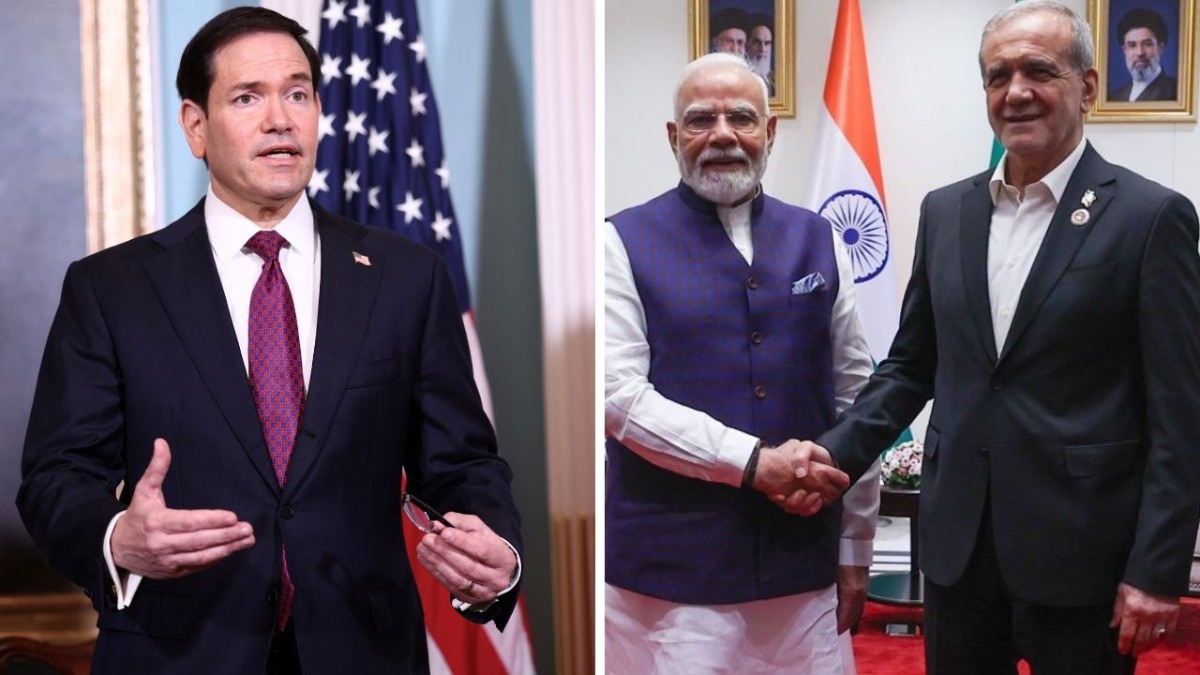
Former US President Donald Trump publicly warned Iran against retaliation after a second missile strike, heightening tensions between the two nations. The remark follows two recent attacks that caused dozens of deaths and injuries.
- Trump warned Iran not to retaliate after missile strikes
- US forces carried out two missile attacks on Iranian sites
- The warning has escalated regional tension in the Middle East
Former President Donald Trump delivered a blunt message to Tehran, stating, “Don’t think about taking revenge, otherwise…”. The comment came right after the United States launched a second missile strike on Iranian positions, bringing the death toll to 37 and injuring hundreds.
The first strike on March 18 killed 18 people and wounded 108. Two days later, a follow‑up attack on March 20 caused 19 fatalities and 68 injuries. Both operations targeted Iranian military installations in Iraq and Syria, carried out by US air assets.
Historical Background
US‑Iran relations have been fraught since the 1979 Islamic Revolution, which saw the US embassy seized and hostages taken. The 2015 Joint Comprehensive Plan of Action (JCPOA) briefly eased tensions, but the Trump administration withdrew in 2018, reinstating sweeping sanctions.
Why This Matters
BozokMedia analysis shows that renewed missile strikes and political rhetoric could destabilize the already volatile Middle East, potentially drawing in regional allies like Saudi Arabia, Israel, and the Gulf Cooperation Council.
“If diplomatic channels remain closed, the risk of a broader regional conflict escalates dramatically.” – International relations expert Dr. Anita Sharma
Frequently Asked Questions
Q1: Is there an official US policy document backing Trump’s warning?
A: No, it is a personal statement and does not directly shape current US foreign policy.
Q2: How has Iran responded to the warning?
A: Iranian officials dismissed it as “unreasonable and provocative,” insisting they will defend their national interests.