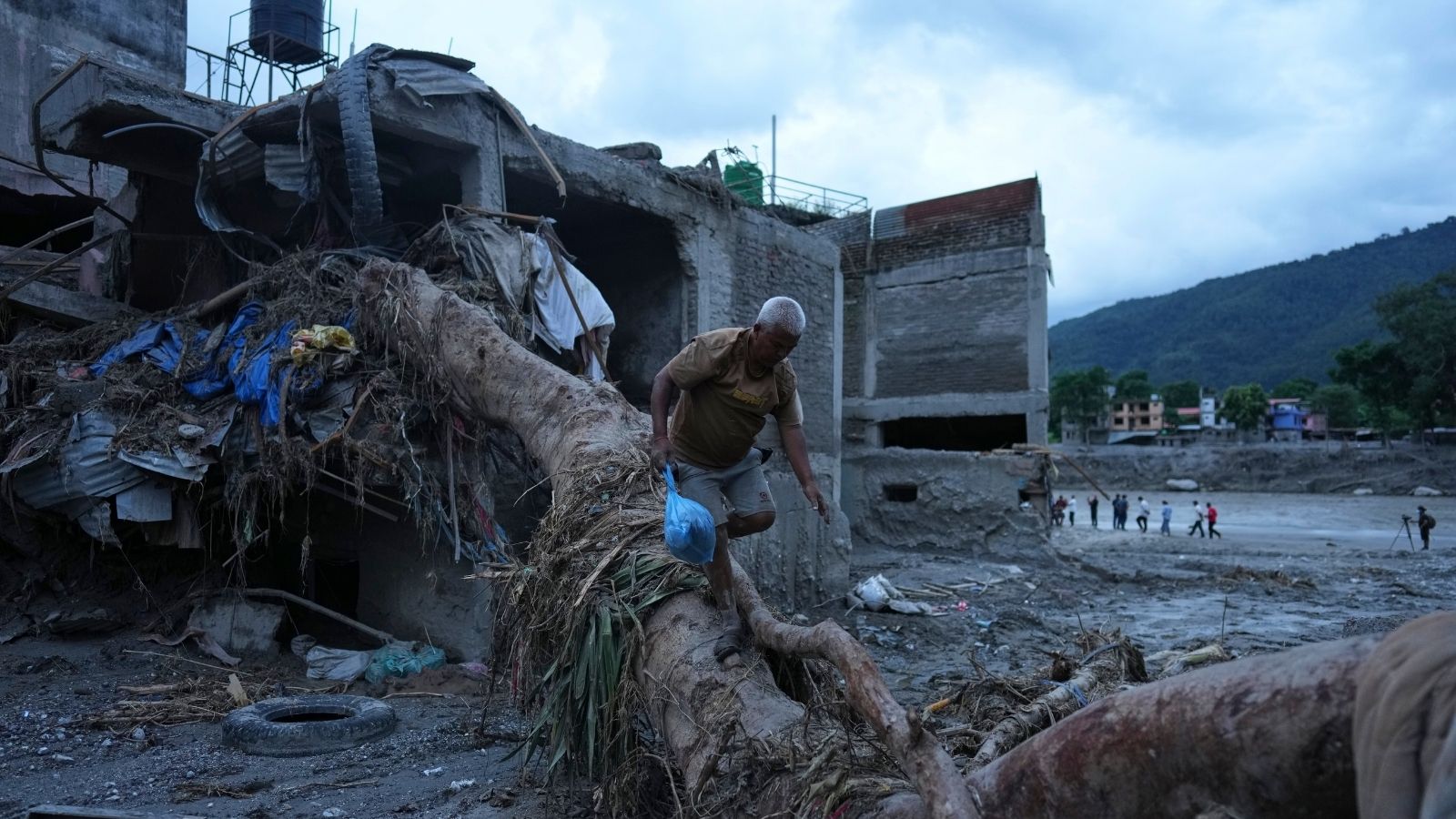
The United Nations has issued a dire warning that rising sea levels pose an immediate threat to millions of residents in India's coastal hubs, Kolkata and Mumbai.
- Millions in Kolkata and Mumbai face immediate danger from rising oceans.
- The UN identifies sea-level rise as a critical threat to coastal urban centers.
- Climate change-induced melting ice and thermal expansion are driving the crisis.
The United Nations has sounded a massive alarm regarding the escalating climate crisis, stating that the rising sea levels pose an "immediate risk" to millions of people living in India's mega-cities, Kolkata and Mumbai. This warning comes as global temperatures continue to climb, accelerating the melting of polar ice caps and the expansion of seawater.
Mumbai, often considered the financial heartbeat of India, is particularly vulnerable due to its unique geography and its susceptibility to monsoon-driven flooding and high tides. Similarly, Kolkata, situated within the fragile Ganges Delta, faces the dual threat of rising seas and increased riverine flooding, which could devastate its massive population and agricultural hinterland.
Why This Matters
BozokMedia analysis shows that the implications extend far beyond environmental concerns. The potential inundation of these cities would trigger a massive humanitarian crisis, leading to unprecedented mass migration and the displacement of millions, while simultaneously crippling India's economic stability by destroying key financial and industrial hubs.
Rising sea levels are not a distant prophecy; they are an active, existential threat to the stability of global coastal civilizations.
Historically, these metropolitan areas have built their economies around maritime trade and coastal proximity. However, the speed at which sea levels are rising is outpacing the development of modern flood defenses and urban planning strategies, leaving a significant gap in preparedness.
The UN's declaration emphasizes that without radical shifts in global carbon emission policies and massive investments in coastal resilience, the socio-economic fabric of these cities could unravel within decades. The crisis necessitates a global coordinated response to mitigate the most catastrophic outcomes.
Frequently Asked Questions
Question 1: Why are Mumbai and Kolkata specifically at risk?
Answer: Their low-lying coastal geography and high population density make them highly susceptible to flooding and permanent submersion as sea levels rise.
Question 2: What can be done to mitigate this?
Answer: Reducing global greenhouse gas emissions and building robust sea walls and drainage infrastructure are critical steps.