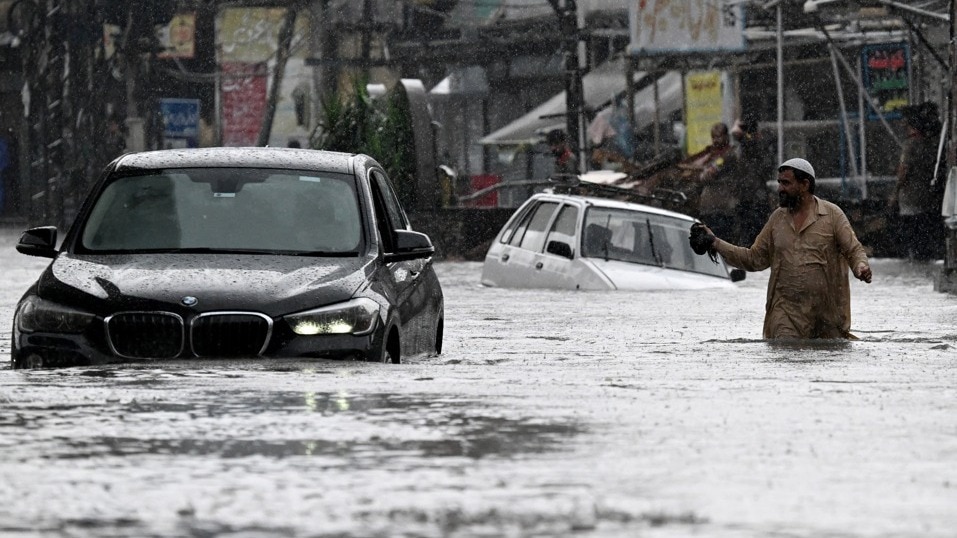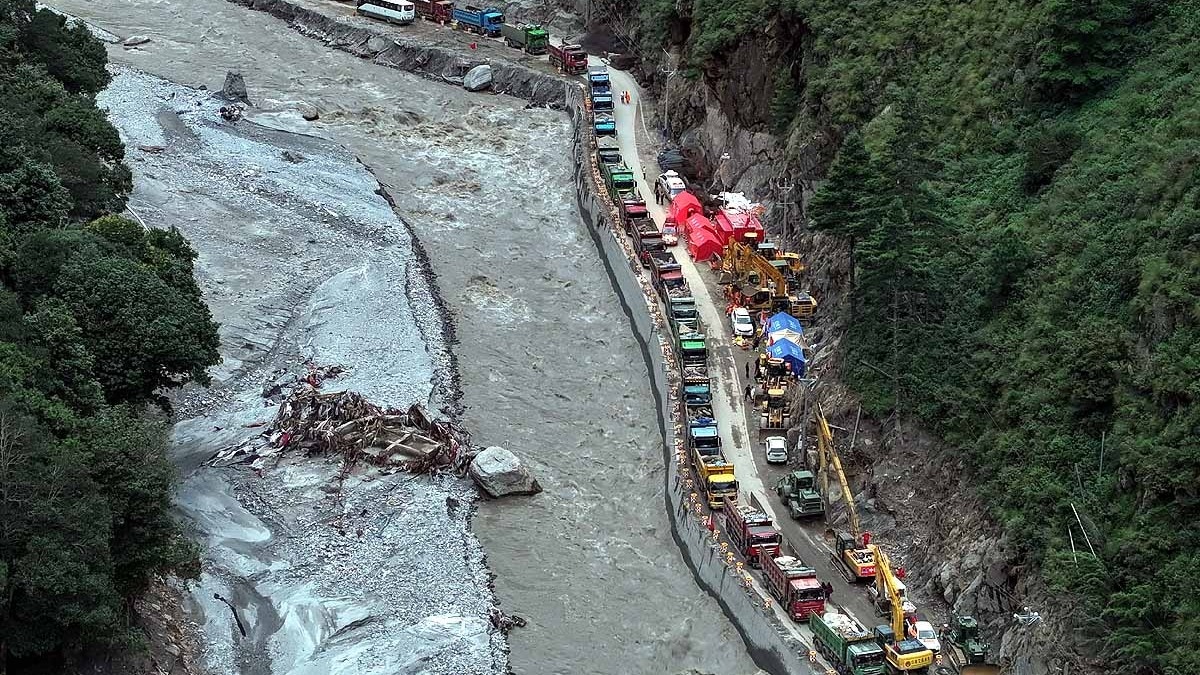
China has restored access to the critical Gyirong border crossing to Nepal after devastating floods destroyed the G-216 highway. Heavy machinery is now reaching the disaster zone to accelerate rescue operations.
- China has reopened the sole road link to the Gyirong border crossing near Nepal.
- Heavy machinery is finally reaching the disaster zone via the repaired G-216 highway.
- Nepal reports 1,114 deaths, while China reports 16 dead and 546 missing.
- Missing persons include Indian and Latvian tourists.
China has officially reopened the only road route leading to the Gyirong border crossing, a vital link to Nepal. Approximately one week ago, catastrophic flooding decimated large sections of the G-216 National Highway, cutting off ground access to the most affected areas. With the road now passable, heavy machinery and rescue equipment are finally being deployed to the heart of the disaster zone.
Prior to this, relief efforts were severely hampered, forcing China to drop supplies and equipment via air. Many rescue workers were forced to traverse treacherous mountain terrains on foot. According to China's state broadcaster CCTV, a large fleet of heavy excavators and advanced search-and-rescue tools has reached the site of the former Chinese border inspection complex.
Why This Matters
BozokMedia analysis shows that the reopening of the Gyirong route is a critical turning point for both humanitarian aid and regional stability. The blockage had effectively paralyzed ground-based rescue operations, contributing to the rising number of missing persons. However, the geological instability of the region remains a massive hurdle for sustained relief work.
The deployment of heavy machinery will significantly accelerate recovery, but the combination of steep valleys and unstable terrain poses a continuous threat to rescuers.
The human toll of this disaster is staggering. In Nepal, authorities have confirmed at least 1,114 deaths, with nearly 4,000 people still missing. On the Chinese side (Tibet), official figures stand at 16 dead and 546 missing. The situation has gained international attention as the missing include 104 Indian nationals, 49 Nepalese citizens, and 33 Latvian tourists.
Historical Background
The Himalayan region has seen an increase in extreme weather events due to shifting monsoon patterns and melting glaciers. Areas like Rasuwa in Nepal and the Gyirong corridor have become increasingly vulnerable to flash floods and landslides. This disaster highlights the growing fragility of mountain infrastructure in the face of rapid climate change.
Frequently Asked Questions
Question 1: Why was the Gyirong highway closed?
Answer: The G-216 highway was washed away by massive floods and landslides triggered by heavy rainfall.
Question 2: Are there international citizens missing?
Answer: Yes, the missing include citizens from India and Latvia, alongside many locals.