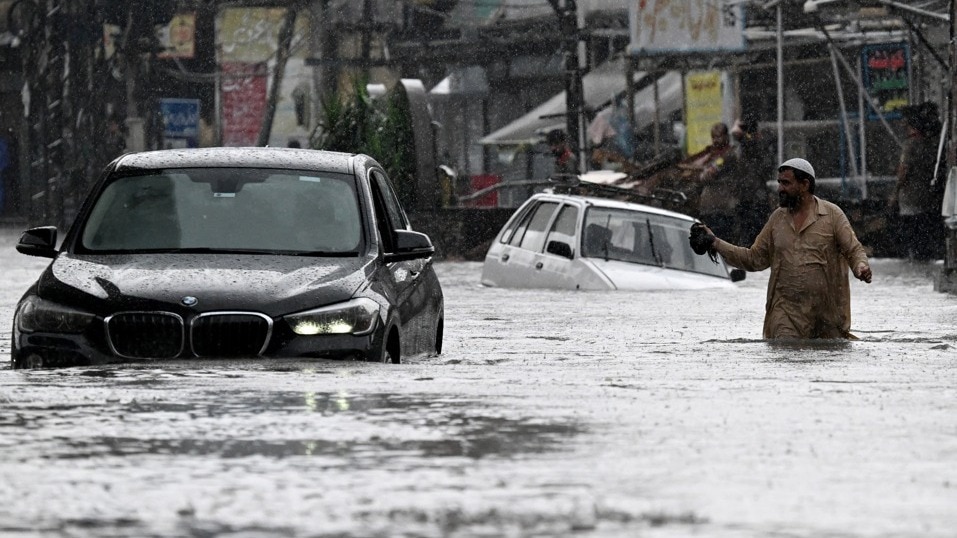
Torrential rains and massive flooding have wreaked havoc in Rawalpindi, Pakistan, leaving citizens struggling amidst submerged streets and damaged infrastructure.
- Extreme monsoon rainfall has triggered severe flooding in Rawalpindi.
- Urban infrastructure and transportation networks are significantly damaged.
- Local residents face displacement and loss of property due to water ingress.
The city of Rawalpindi in Pakistan is currently grappling with a severe crisis following torrential monsoon rains. The deluge has turned streets into rivers, submerging residential areas and critical infrastructure. The sudden intensity of the rainfall has overwhelmed the city's capacity to manage excess water, leading to widespread chaos.
Reports from the ground indicate that low-lying areas have been hit the hardest. Water has entered homes, destroying essential household items and food supplies. The Rawalpindi metropolitan area is facing significant logistical challenges as major roads remain impassable, cutting off various neighborhoods from essential services.
Why This Matters
BozokMedia analysis shows that the recurring pattern of urban flooding in Pakistan is a direct consequence of inadequate urban planning and aging drainage systems. As climate change intensifies weather extremes, cities like Rawalpindi are increasingly vulnerable to sudden-onset disasters that test the limits of local governance.
The convergence of extreme weather events and crumbling urban infrastructure creates a perfect storm for humanitarian crises in Pakistan.
The economic impact is also expected to be substantial, with small businesses in flooded zones facing significant losses. Furthermore, the stagnant water poses a high risk of waterborne diseases, adding a public health dimension to the current disaster.
Historical Background
Pakistan has a long and tragic history with extreme weather. From the catastrophic floods of 2022 that affected millions, to seasonal monsoon disruptions, the country remains on the frontlines of the global climate crisis. The current situation in Rawalpindi is a stark reminder of the ongoing struggle to adapt to a changing environment.
Frequently Asked Questions
1. What caused the flooding in Rawalpindi?
The flooding was caused by unprecedented monsoon rainfall combined with an inefficient urban drainage system.
2. How is the government responding?
Emergency services are deployed, but the scale of the flooding is making rescue and relief operations extremely difficult.