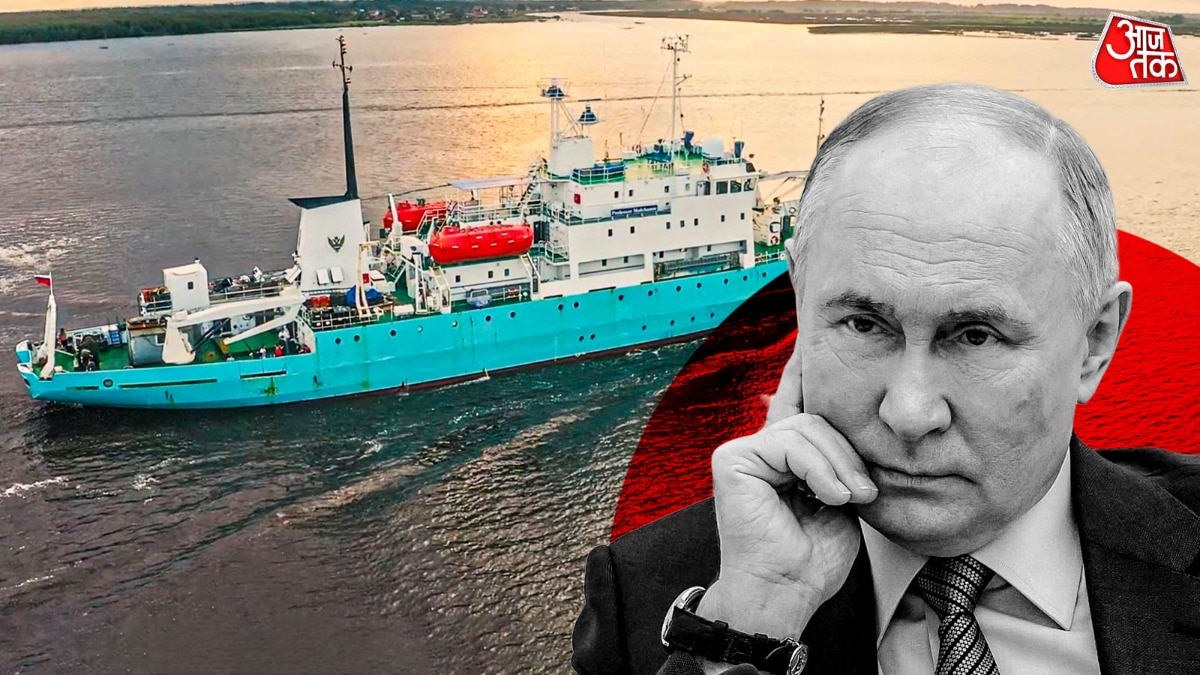
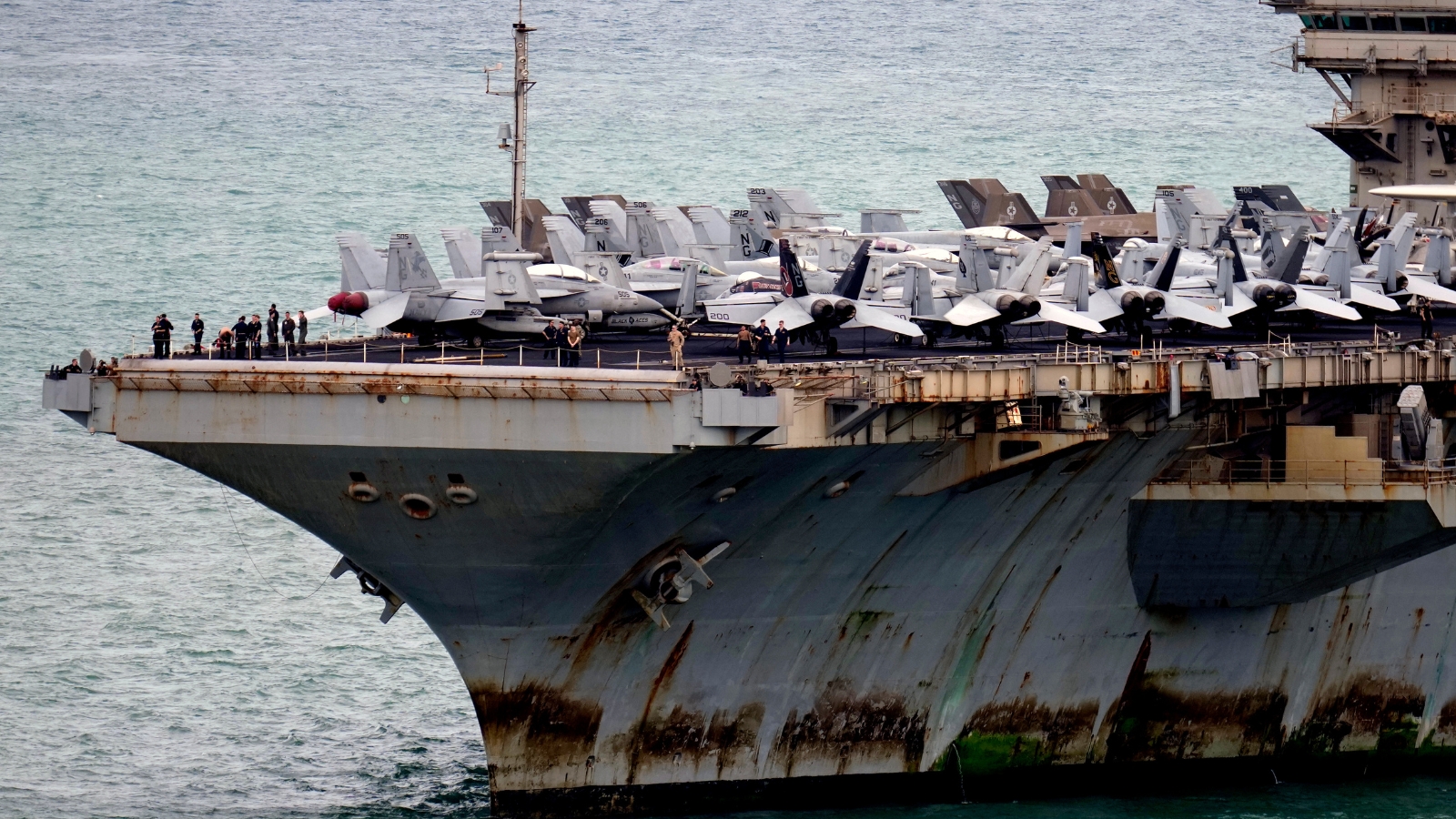
A high-stakes maritime confrontation is unfolding in the Strait of Hormuz as Iran claims naval mine strikes on tankers, while the US disputes the claims amidst rising regional tensions.
- Iran claims two tankers struck naval mines in the Hormuz Strait.
- The United States has officially disputed Iran's claims regarding the incidents.
- Saudi Arabia has condemned the deadly Iranian attacks on tankers.
- Vessel traffic in the strait has fallen below the 10-day average due to security fears.
The maritime landscape of the Strait of Hormuz has become a flashpoint for international conflict, as the United States and Iran appear to be entering a period of intense 'tanker-for-tanker' confrontation. This escalation threatens one of the world's most vital energy arteries.
According to reports from Al Jazeera and CNBC, Iran has asserted that two tankers encountered naval mines within the strait. However, the United States has promptly disputed these claims, creating a confusing and dangerous narrative for international shipping companies. The tension is compounded by Saudi Arabia's strong condemnation of what it describes as deadly Iranian aggression in the waterway.
Why This Matters
BozokMedia analysis shows that any disruption in the Strait of Hormuz has immediate and catastrophic implications for global oil markets. The strait is a chokepoint through which a massive percentage of the world's petroleum flows. A sustained conflict here could trigger a global energy crisis and massive spikes in fuel prices.
The maritime standoff in Hormuz is not just a regional dispute; it is a direct threat to the stability of the global energy supply chain.
The physical reality of the crisis is visible in the movements of commercial vessels. The Sinokor VLCC has reportedly been seen abandoned and listing in the strait, signaling severe distress. Furthermore, maritime data indicates that vessels entering the strait are currently falling below the 10-day average, reflecting a widespread hesitation among shipping conglomerates to enter the high-risk zone.
Historical Background
The 'Tanker War' is not a new concept in this region. During the Iran-Iraq War in the 1980s, both sides targeted commercial oil tankers to cripple the other's economy. The current friction mirrors those volatile years, suggesting that the geopolitical struggle for dominance in the Persian Gulf is entering a new, more dangerous phase.
Frequently Asked Questions
1. What is the current status of the tankers in Hormuz?
Answer: There are conflicting reports, with Iran claiming mine strikes and the US disputing them, while some vessels like the Sinokor VLCC are in visible distress.
2. How will this affect oil prices?
Answer: Increased risk in the Strait typically leads to higher maritime insurance premiums and immediate volatility in global crude oil prices.