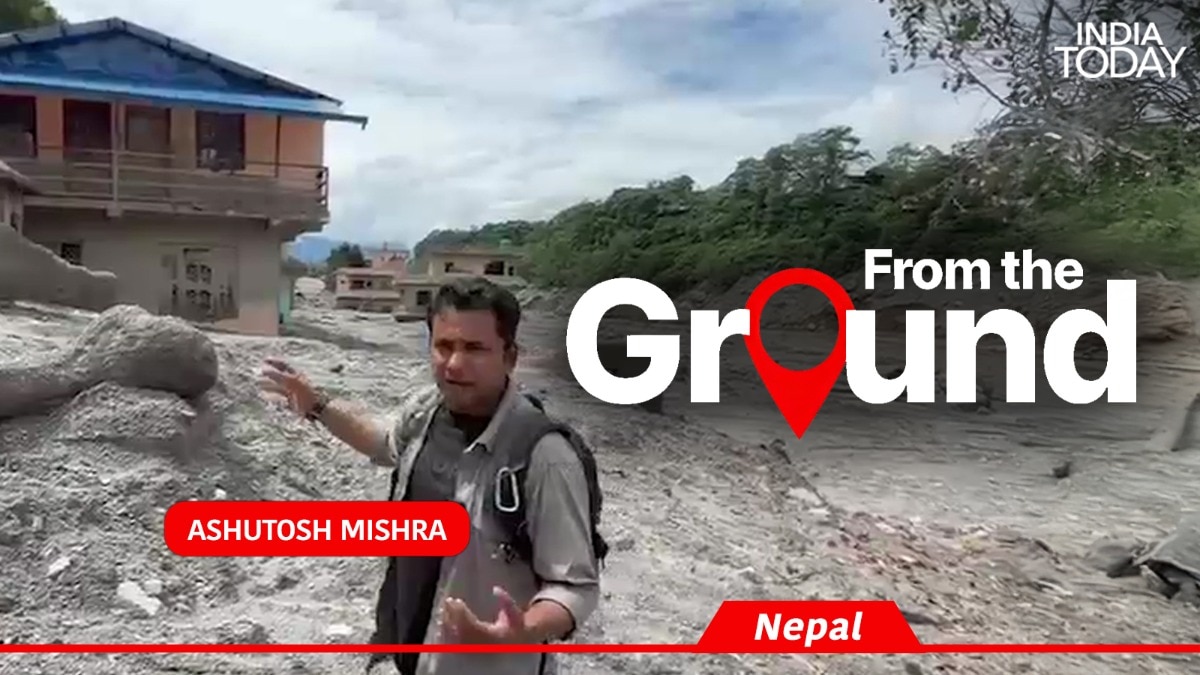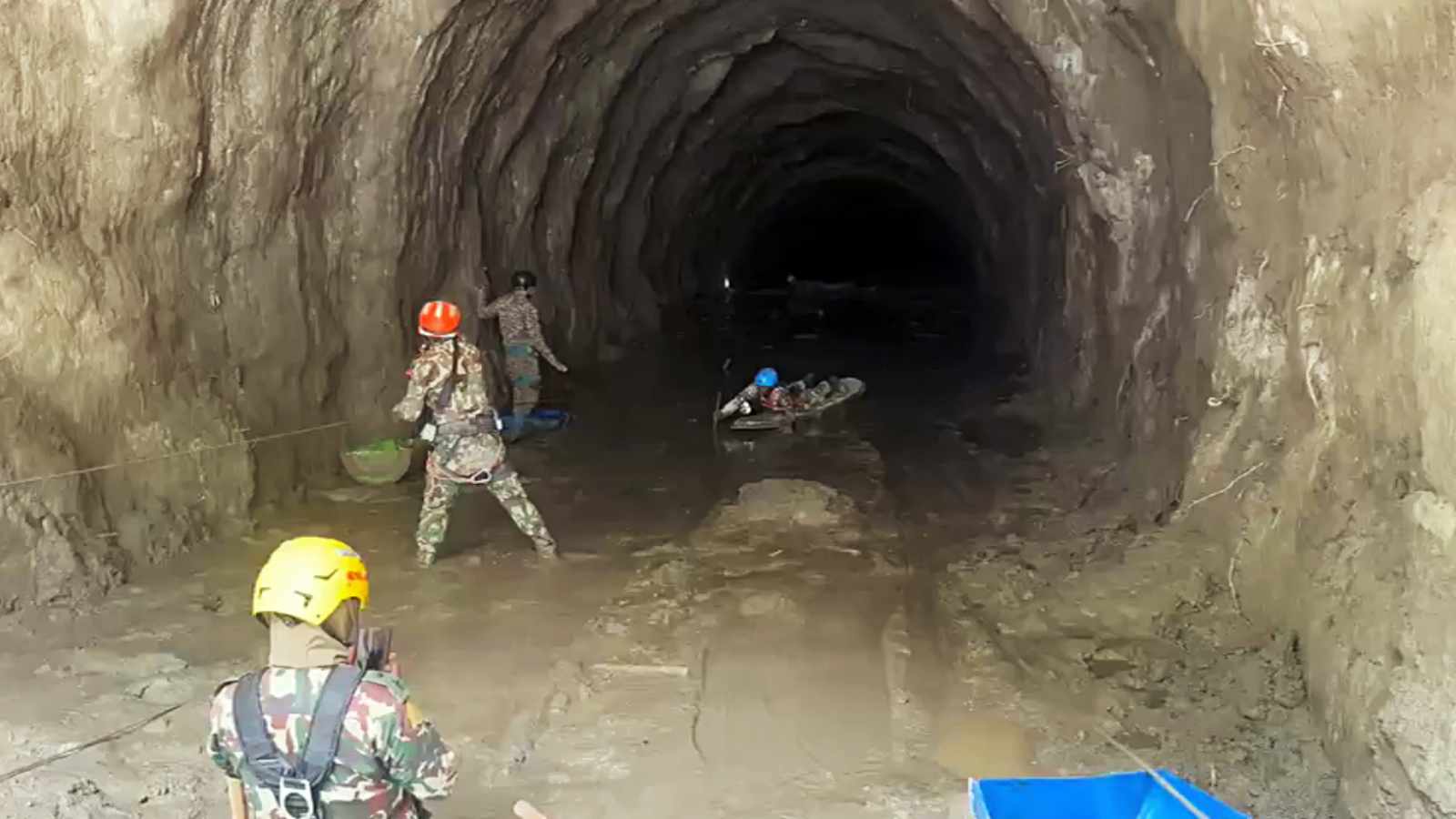
The recent catastrophe in Nepal underscores the interconnected ecological reality of the Himalayas. Experts argue that climate change ignores borders, demanding immediate cooperation between India, China, and Nepal.
- Glaciers and river basins do not recognize international political boundaries.
- Nepal suffers disproportionately from climate change despite negligible emissions.
- An institutionalized tripartite mechanism for real-time data sharing is essential for survival.
The recent catastrophe in Nepal serves as a devastating reminder of the fragile, interconnected ecological reality of Himalayan Asia. A sudden collapse of ice and rock in the high mountains transformed into a violent surge of water and debris, claiming over a thousand lives and destroying critical infrastructure. This was not merely a localized accident but a stark manifestation of accelerated global warming.
During a recent conclave in Kathmandu, Rabi Lamichhane, leader of the Rashtriya Swatantra Party, noted that despite geopolitical frictions and sovereign boundary disputes, India, China, and Nepal share a single, unified mountain system. It is a bitter irony that Nepal, with negligible greenhouse gas emissions, bears the brunt of a crisis driven largely by its highly industrialized neighbors.
Why This Matters
BozokMedia analysis shows that the current fragmentation of regional governance poses a lethal risk to millions living downstream. When a glacial lake bursts or a landslide creates a barrier lake in the upper reaches, the resulting deluge flows across sovereign frontiers. Without a unified response, downstream nations remain vulnerable to unpredictable natural disasters.
Climate cooperation in the Himalayas must transcend political posturing to operate on a purely technical, life-saving imperative.
The control of the Tibetan Plateau by China makes it a central player in this crisis. As the source of the Yarlung Tsangpo (Brahmaputra), the Indus, and the Ganges tributaries, China's approach to hydrological data sharing remains largely transactional. Lower-riparian nations like India and Nepal often face critical delays in receiving actionable alerts during monsoon-related disasters.
Historical Background
Historically, cooperation between upper and lower riparian states in the Himalayas has been uneven and constrained by national security secrecy. Past incidents involving natural dams in Tibet have shown that downstream communities in Arunachal Pradesh, Assam, and Nepal often have to rely on delayed commercial satellite imagery rather than immediate, official hydrological alerts from Beijing.
Frequently Asked Questions
1. Why is China's role critical in Himalayan climate management?
China controls the Tibetan Plateau, the headwaters for major Asian rivers, making their data sharing vital for downstream safety.
2. What is a tripartite mechanism?
It is a proposed formal agreement between India, China, and Nepal to share real-time hydrological and seismic data to prevent disaster casualties.