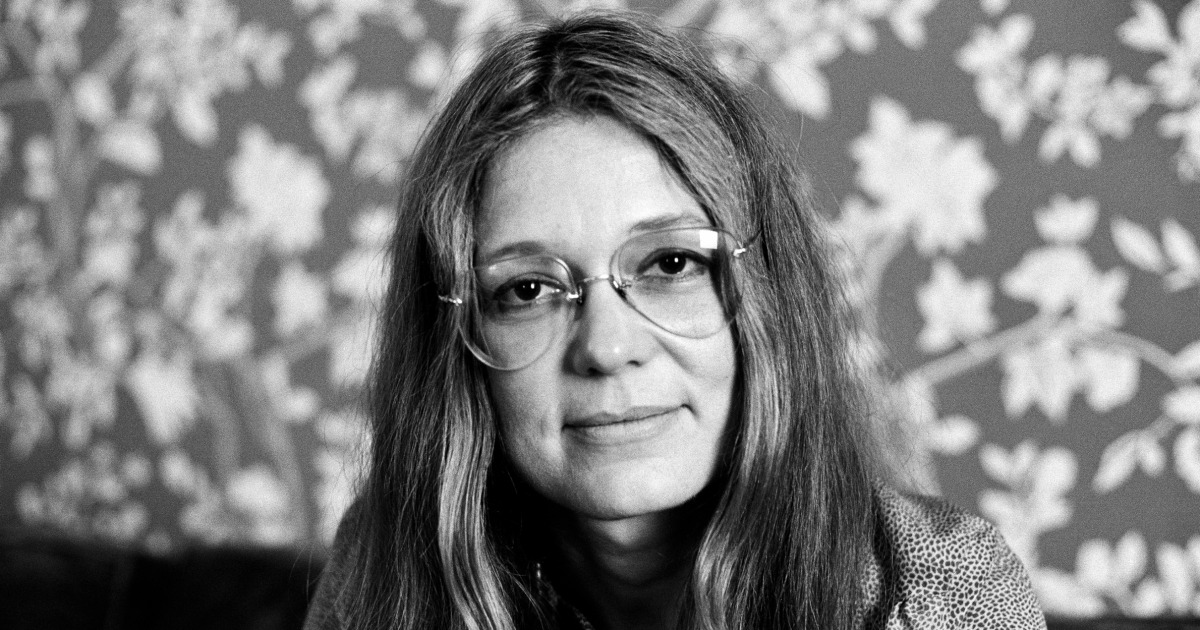
Renowned journalist and feminist trailblazer Gloria Steinem has died in New York City at age 92, leaving behind a legacy of social justice and gender equality.
- Gloria Steinem passed away peacefully at her NYC home on Wednesday.
- She was a leading figure in second-wave feminism.
- Her activism secured rights regarding reproductive freedom, workplace equality, and domestic violence awareness.
- She was a recipient of the Presidential Medal of Freedom.
Gloria Steinem, the indefatigable feminist and journalist whose activism revolutionized the personal and professional lives of women, has died at the age of 92. According to a statement released on her official Instagram page, Steinem "passed away peacefully at her home in New York City, surrounded by some of the many who loved her."
Steinem was much more than a political activist; she was a community builder. Her home served as a "center for social justice movements," where she famously hosted "Talking Circles," inviting hundreds of guests into her living room to discuss the pressing issues of the day. Her representatives have requested that fans light a candle in her honor and consider donations to her charity, Gloria’s Foundation.
A Legacy of Radical Change
Steinem was the face of a movement that fundamentally altered the legal and social landscape for women. Her advocacy contributed to monumental shifts, such as allowing women to apply for credit cards without a male co-signer, gaining admission to Ivy League institutions, and securing reproductive rights in the United States.
Her rise to national prominence began in 1963 when she went undercover as a Playboy bunny. Her exposé on the exploitative working conditions in Hugh Hefner’s clubs provided a raw, diary-style look at the industry, cementing her status as a fearless investigative journalist. Following this, she co-founded Ms. magazine in 1971, a publication that became a cornerstone for feminist discourse.
Why This Matters
BozokMedia analysis shows that Steinem's influence transcended mere policy change; she reshaped the cultural identity of the modern woman. By bridging the gap between personal struggle and political action, she ensured that issues like domestic violence and reproductive autonomy were no longer relegated to the private sphere but became central pillars of the political debate.
"Gloria Steinem didn't just fight for women; she fought for the dignity of the human spirit through the lens of equality."
Historical Background
Born on March 25, 1934, in Toledo, Ohio, Steinem's path was shaped by a complex childhood. Growingforth in a mobile household, she often acted as a caregiver for her mother, who struggled with mental health issues. This early responsibility profoundly influenced her views on gender roles and her lifelong commitment to reproductive rights. She graduated from Smith College in 1956, studying government—a rarity for women at the time.
Frequently Asked Questions
Question 1: What was Gloria Steinem's most significant contribution to journalism?
Answer: Her undercover reporting on Playboy clubs and her role as a founding editor of Ms. magazine were pivotal in bringing feminist issues to the mainstream.
Question 2: What major honor did she receive from the US government?
Answer: She was awarded the Presidential Medal of Freedom, the nation's highest civilian honor.

