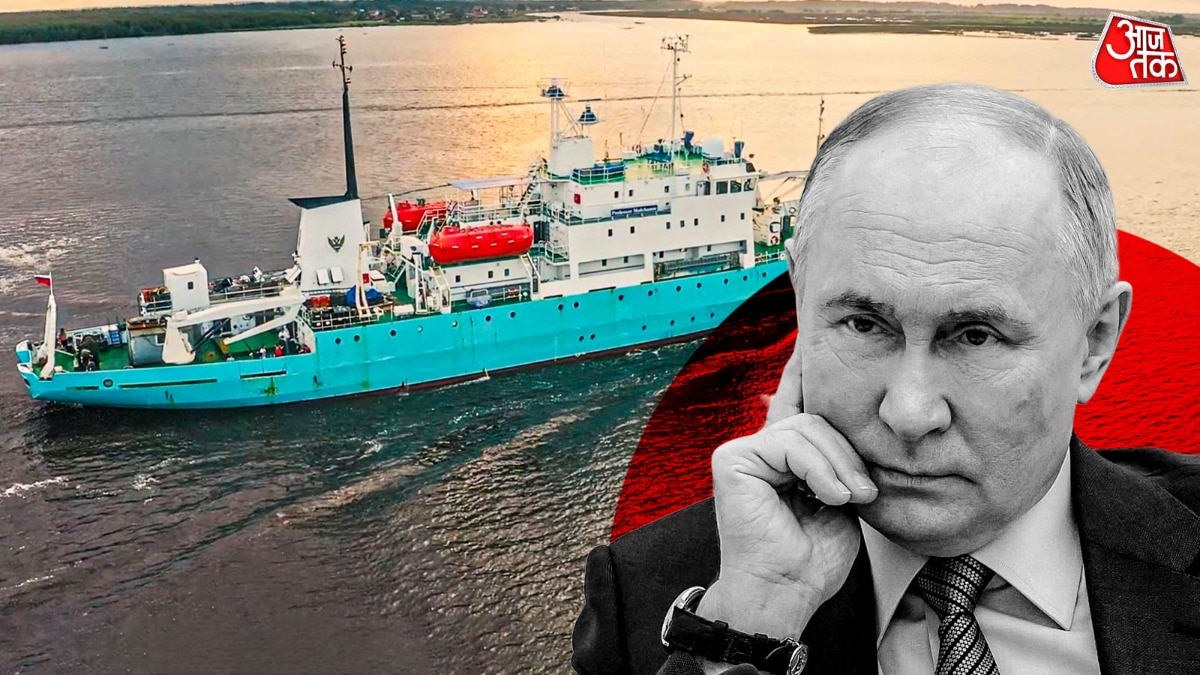
The Shanghai Cooperation Organisation (SCO) summit in Kyrgyzstan has emerged as a critical platform for major powers like Russia, China, and Iran to assert influence outside Western frameworks.
- The SCO has evolved into a significant pillar of the emerging multipolar world order.
- Kyrgyzstan faces the strategic challenge of balancing relations between global giants like Russia and China.
- The summit highlighted deep tensions regarding Iran's economic sanctions and US-Tehran relations.
Bishkek, Kyrgyzstan: A high-stakes gathering of the world's most influential leaders took place in Bishkek, marking a significant moment in modern diplomacy. The Shanghai Cooperation Organisation (SCO) summit brought together representatives from Russia, China, India, Iran, and Pakistan, alongside observers like Turkiye and UN Secretary-General Antonio Guterres. The meeting served as a vital arena for nations navigating intense geopolitical tensions to pursue interests outside of Western-led frameworks.
Russian President Vladimir Putin addressed the assembly, noting that over the past 25 years, the SCO has transformed from a small group into one of the most influential centers of a new multipolar world. He emphasized that the organization has grown into the world's largest regional association, signaling a shift in how global power is distributed.
Why This Matters
BozokMedia analysis shows that the SCO is increasingly functioning as a strategic counterweight to Western influence. While not a unified anti-Western bloc, the diversity of its members—ranging from democratic India to sanctioned Iran—creates a complex web of competing interests. The summit underscores a transition where the 'periphery' of Eurasia is becoming the new strategic center of global trade and security.
The SCO has evolved into one of the independent and influential centres of the emerging multipolar world.
For Kyrgyzstan, a landlocked and mountainous nation, the summit is a delicate balancing act. Nestled between Russia and China, Bishkek must navigate a 'multi-vector' foreign policy to maintain economic stability. Shairbek Dzhuraev, president of the Crossroads Central Asia think tank, highlighted that Kyrgyzstan's primary vulnerability lies in its dependence on external transport routes and energy markets.
The inclusion of Iran added a layer of immediate crisis to the summit. Iranian President Masoud Pezeshkian used the platform to address the collapse of recent diplomatic understandings with the United States, stating that Tehran is ready for reciprocal action if the US returns to its commitments. The economic implications of US sanctions on Iran remain a central concern for SCO members whose trade networks are increasingly intertwined with the Middle East and China.
| Feature | Western-Led Framework | SCO Framework |
|---|---|---|
| Core Philosophy | Liberal International Order | Multipolarity & Sovereignty |
| Primary Focus | Democratic Values & Sanctions | Regional Security & Economic Connectivity |
| Key Players | US, EU, NATO | Russia, China, India, Iran |
Frequently Asked Questions
1. Is the SCO an anti-Western organization?
Not strictly. While it offers an alternative to Western influence, members have diverse relationships with the West and often hold competing internal interests.
2. How does geography affect Kyrgyzstan's role in the SCO?
As a landlocked country, Kyrgyzstan's economic survival depends on the stability of the trade corridors and energy networks managed by its larger SCO neighbors.