US Vice President JD Vance has stated he would not classify the ongoing hostilities with Iran as a 'war,' despite six months of escalating tension and maritime disruptions.
- VP JD Vance declined to label the Iran situation as an active 'war.'
- Major combat operations were noted to have lasted only six weeks post-February.
- The US maintains that talks are contingent on the cessation of attacks on commercial shipping.
In a significant diplomatic stance, US Vice President JD Vance has stated that he would not categorize the current hostilities with Iran as a 'war.' This comes despite the fact that tensions and clashes have persisted for over six months following the outbreak of conflict in early 2026.
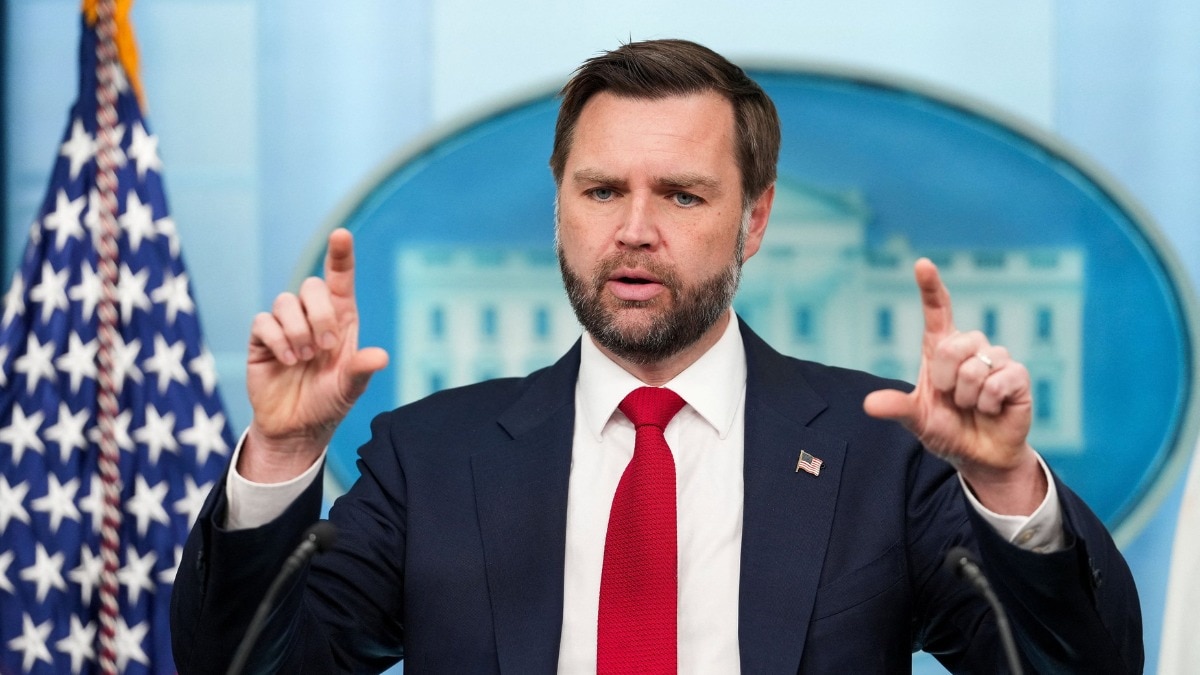
Vance's remarks were delivered during a White House briefing, appearing to align with President Donald Trump's administration efforts to de-escalate and draw a definitive line under the conflict. When questioned about whether the hostilities would conclude before the upcoming US midterm elections in November, Vance responded, "I wouldn't call it a war. Right now, there is no active shooting."
Escalating Maritime Tensions
While the Vice President acknowledged localized flare-ups, he emphasized that large-scale combat operations primarily occurred in the six weeks following the onset of the US-Israel war on February 28. However, the geopolitical reality remains volatile. Iran continues to exert significant influence over the strategic Strait of Hormuz, a critical chokepoint for global energy supplies.
The refusal to label the conflict a 'war' may be a strategic move to manage domestic political expectations and international legal obligations.
BozokMedia analysis shows that the administration is walking a fine line between military deterrence and diplomatic maneuvering. Recent US raids on Sunday have reignited clashes, deepening the impasse. Vance remains firm that the United States will not reopen formal diplomatic channels until Iran ceases its attacks on commercial shipping vessels.
Why This Matters
The classification of this conflict has massive implications for international law, maritime security, and global oil prices. By avoiding the term 'war,' the US administration may be attempting to frame the situation as a security containment operation rather than a full-scale military engagement.
Frequently Asked Questions
1. Why is JD Vance avoiding the term 'war'?
Vance argues that there is no continuous, active large-scale shooting, characterizing the current state as sporadic flare-ups rather than an active war.
2. What is the US demand for peace talks?
The US insists that Iran must stop all attacks on commercial shipping before any diplomatic negotiations can resume.