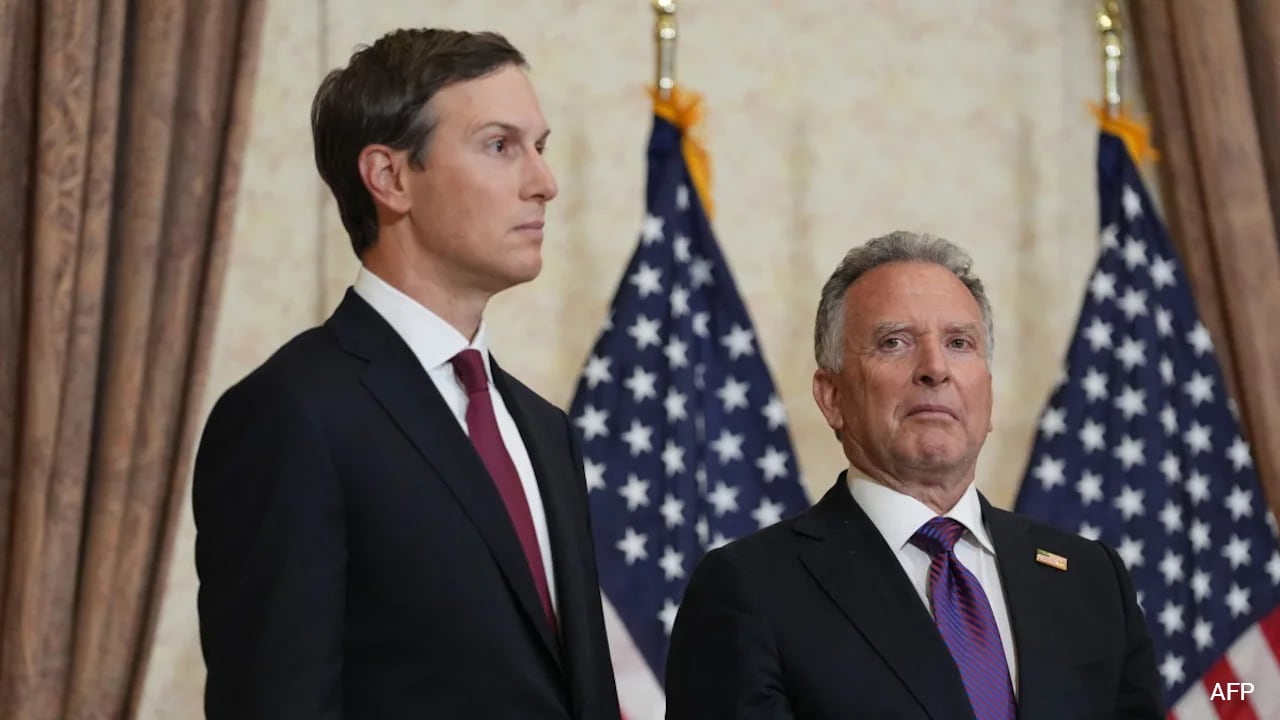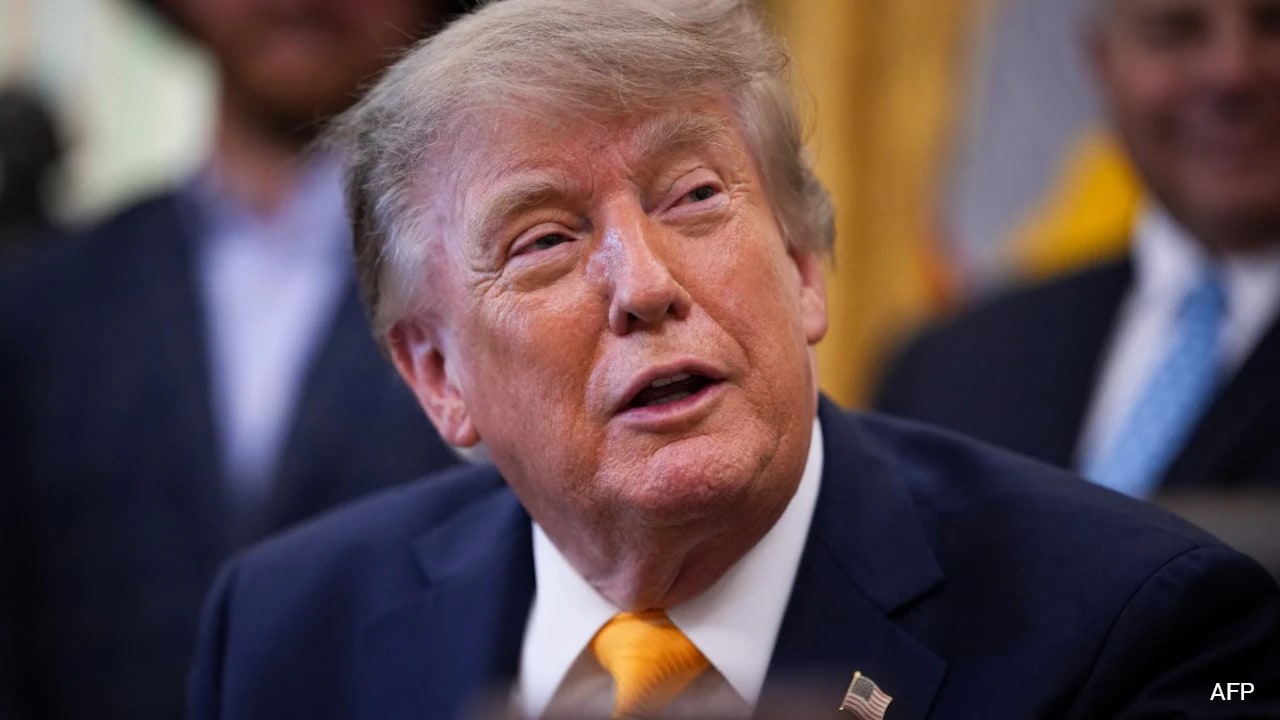
President Donald Trump has characterized the ongoing tension with Iran as 'small potatoes' for the United States. This comes shortly after JD Vance declined to label the situation a 'war'.
- Donald Trump described the Iran conflict as 'small potatoes' for US interests.
- JD Vance previously refused to define the ongoing tension as a formal 'war'.
- The remarks highlight a potential shift in US foreign policy priorities.
Former President Donald Trump made a striking assertion on Friday, labeling the conflict involving Iran as "small potatoes" for the United States. The comment underscores a perceived desire to downplay the scale of Middle Eastern tensions in relation to broader American national interests.
This development follows closely on the heels of remarks by JD Vance, who stated he would not describe the current regional instability as a full-scale war. The alignment in rhetoric between Trump and Vance suggests a unified stance within their camp regarding the characterization of Middle Eastern geopolitical friction.
Why This Matters
BozokMedia analysis shows that these statements reflect a significant pivot toward isolationist or 'America First' foreign policy. By minimizing the perceived importance of the Iran conflict, the Trump camp is signaling to both domestic voters and international adversaries that the US may be less inclined to engage in protracted, large-scale military interventions in the region.
The characterization of the Iran tension as 'small potatoes' serves as a strategic tool to manage domestic expectations regarding military involvement abroad.
The geopolitical landscape of the Middle East has been volatile for decades, particularly regarding Iran's nuclear ambitions and its influence over regional proxies. Historically, US involvement has fluctuated between intense military presence and diplomatic maneuvering. Trump's recent commentary suggests a preference for the latter or a complete de-escalation of involvement.
Global markets and diplomatic corps are closely monitoring these statements. If the US leadership views these conflicts as secondary, it could lead to a shift in regional power dynamics, potentially emboldening other actors in the Middle East or altering the strategic calculus of allies like Israel and Saudi Arabia.
Frequently Asked Questions
1. What does 'small potatoes' mean in this context?
It is an idiom used by Trump to suggest that the Iran conflict is insignificant or of minor importance compared to other US priorities.
2. How does JD Vance's stance relate to Trump's?
Both leaders appear to be avoiding the 'war' label, which helps in minimizing the perceived necessity for immediate military escalation.