Authorities in Nepal express optimism that dozens of workers trapped in the Rasuwagadhi hydropower plant tunnels may be alive after a week of isolation following devastating flash floods.
- Approximately 46 workers are believed to be trapped in a chamber within the Rasuwagadhi hydropower tunnel.
- Officials are optimistic due to the presence of food and water supplies inside the structure.
- Total rescues so far stand at 279, with over 639 people still missing.
- International aid including teams from India, China, Korea, and Australia is actively assisting.
In a glimmer of hope amidst the devastation in Nepal, officials have stated there is a significant chance that dozens of workers trapped in the Rasuwagadhi hydropower plant are still alive. Following a week of isolation caused by deadly flash floods, the Nepal Electricity Authority has expressed confidence in the survival of those stuck in underground chambers.
Amshu Kiran Shahi, a board member of the Nepal Electricity Authority, informed Reuters that approximately 46 individuals are believed to be held within a room-like structure inside the tunnel. The optimism stems from the fact that the workers reportedly have access to essential food and water supplies within the facility.
Why This Matters
BozokMedia analysis shows that this incident highlights the extreme vulnerability of high-altitude infrastructure to climate-induced disasters. As glacial instability increases, the survival of these workers depends not just on their endurance, but on the rapid deployment of advanced international rescue technologies in extremely difficult terrain.
'We are very confident that they must be alive after one week because they have food and water over there in the building.'
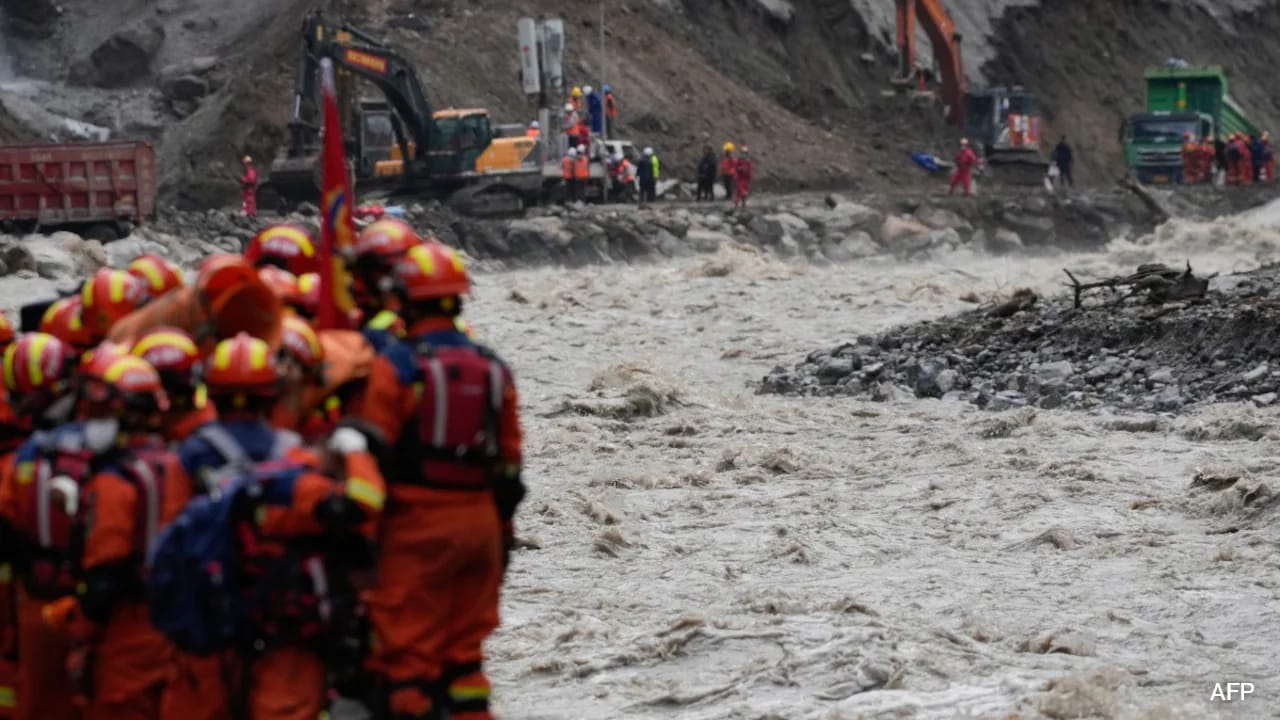
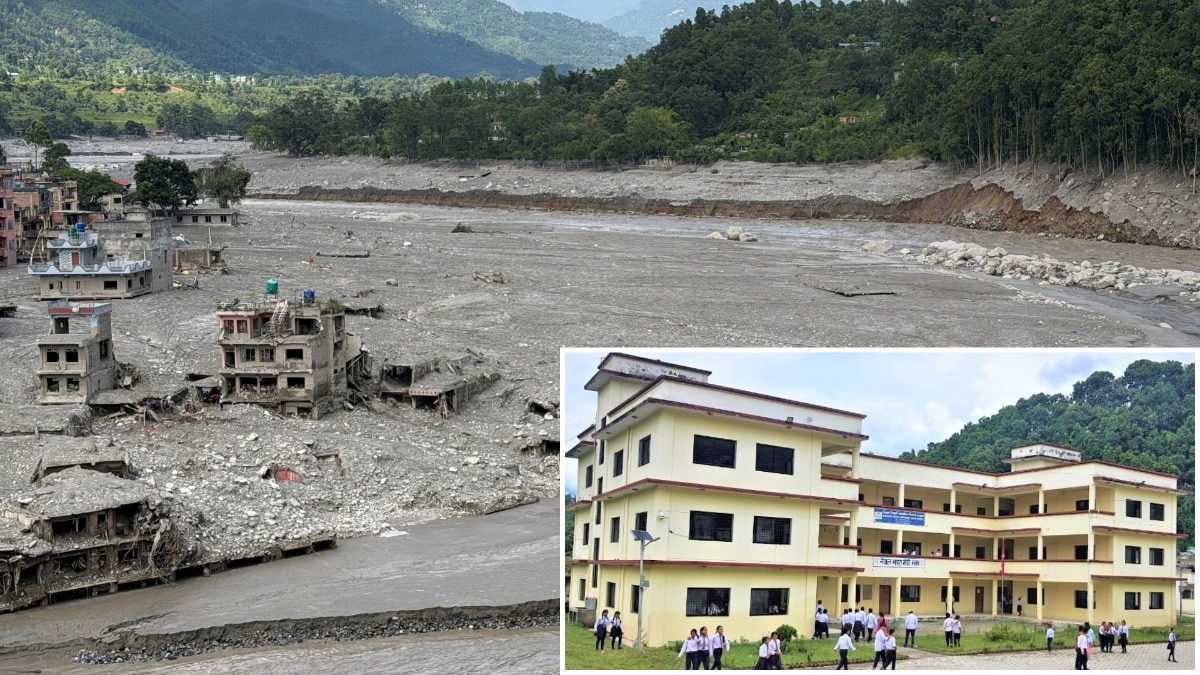
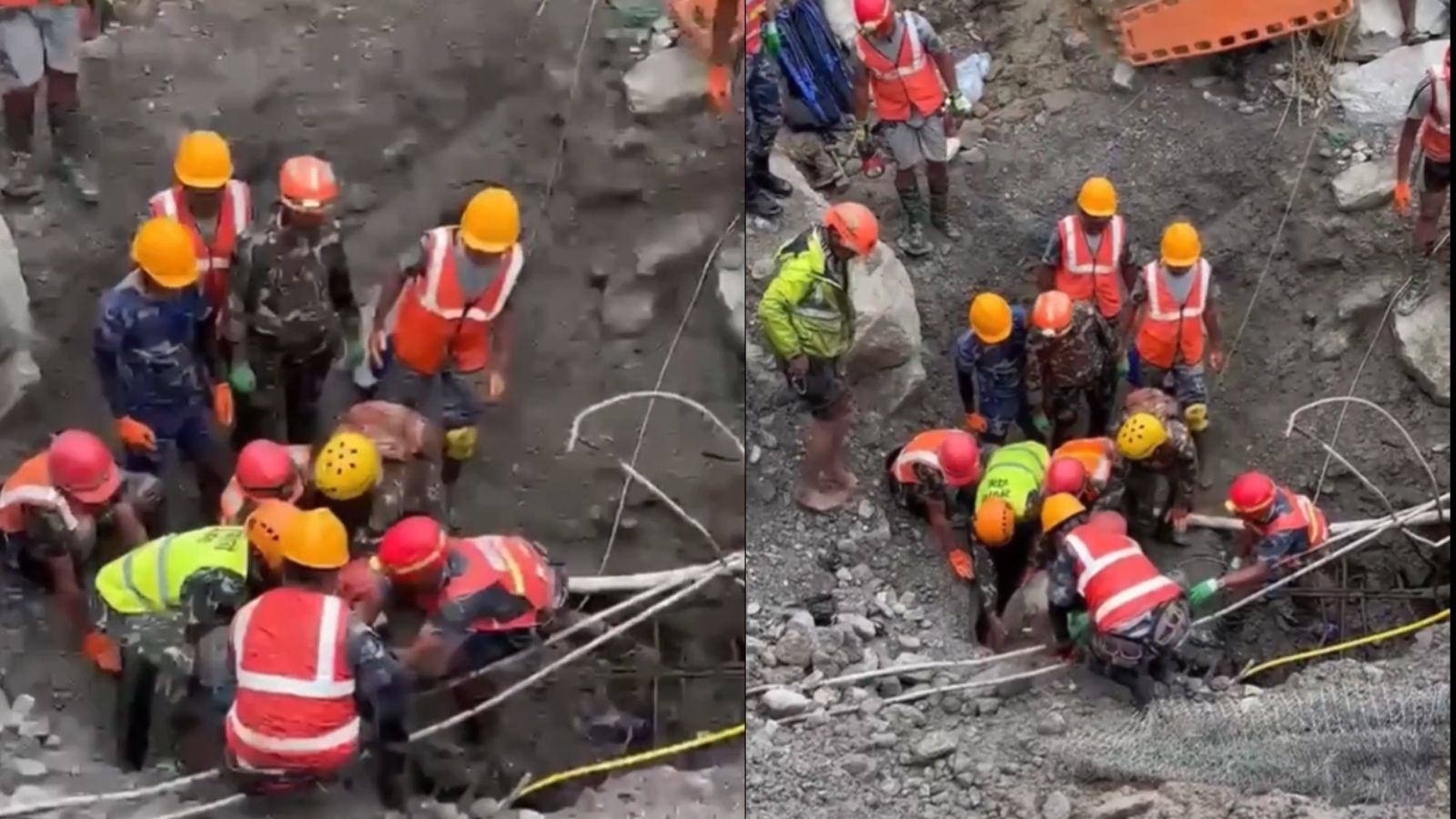
The disaster was triggered by a massive glacial collapse near the China-Nepal border, unleashing a torrent of ice, rock, and debris. While 279 people have been rescued from various hydropower projects so far, the scale of the tragedy is immense, with at least 639 people still missing. Rescue teams, comprising Nepali, Indian, Chinese, and Korean experts, are working tirelessly to navigate through thick mud and debris.
Historical Background
Glacial Lake Outburst Floods (GLOFs) and sudden glacial collapses have become increasingly frequent in the Himalayan region. As global temperatures rise, the stability of glaciers near critical infrastructure like hydropower plants is compromised, turning vital energy assets into high-risk zones during extreme weather events.
Frequently Asked Questions
Question 1: Where is the Rasuwagadhi Hydropower Project located?
Answer: It is a 111-megawatt facility located in the Rasuwa district, about 5 km from the Nepal-China border.
Question 2: Which countries are assisting in the rescue efforts?
Answer: Nepal is receiving expert assistance from India, China, South Korea, and Australia.