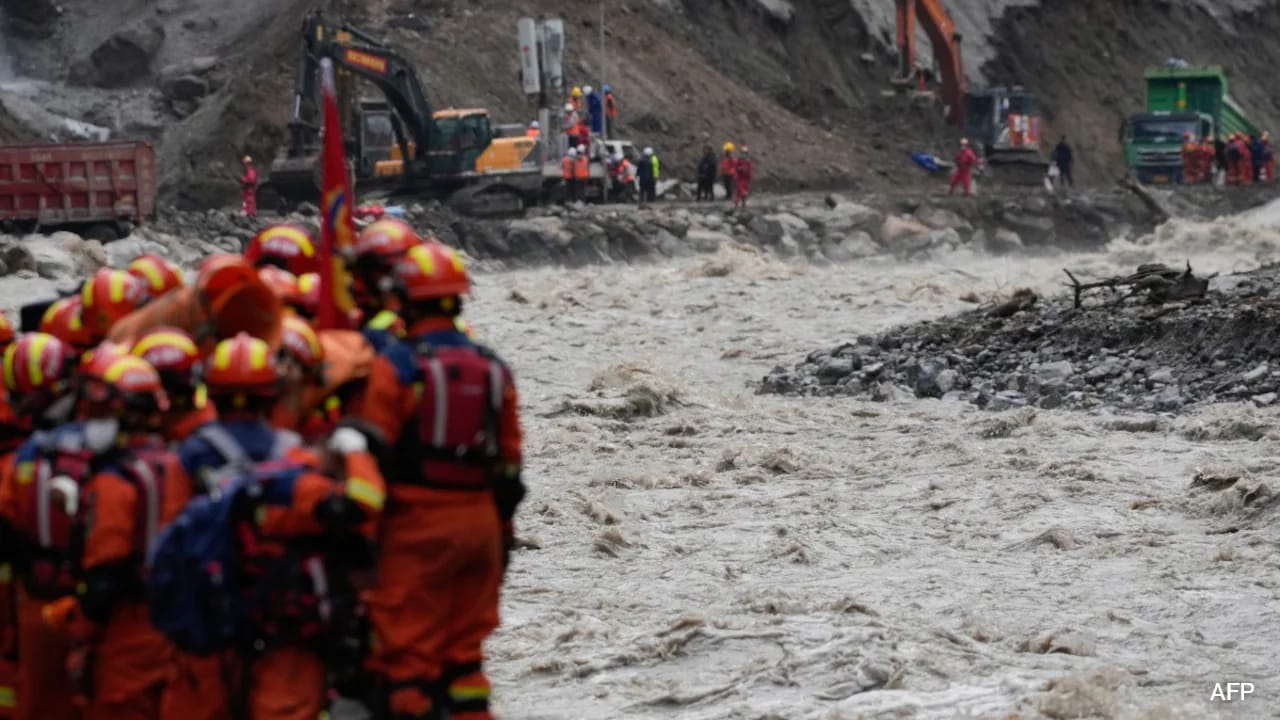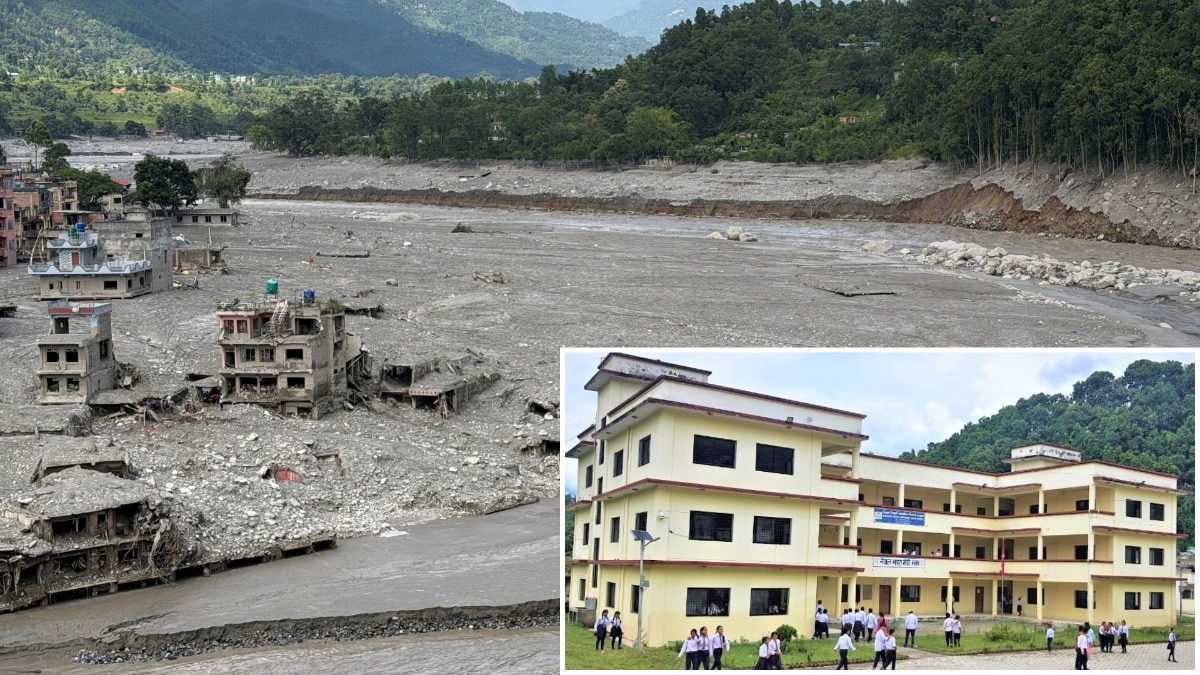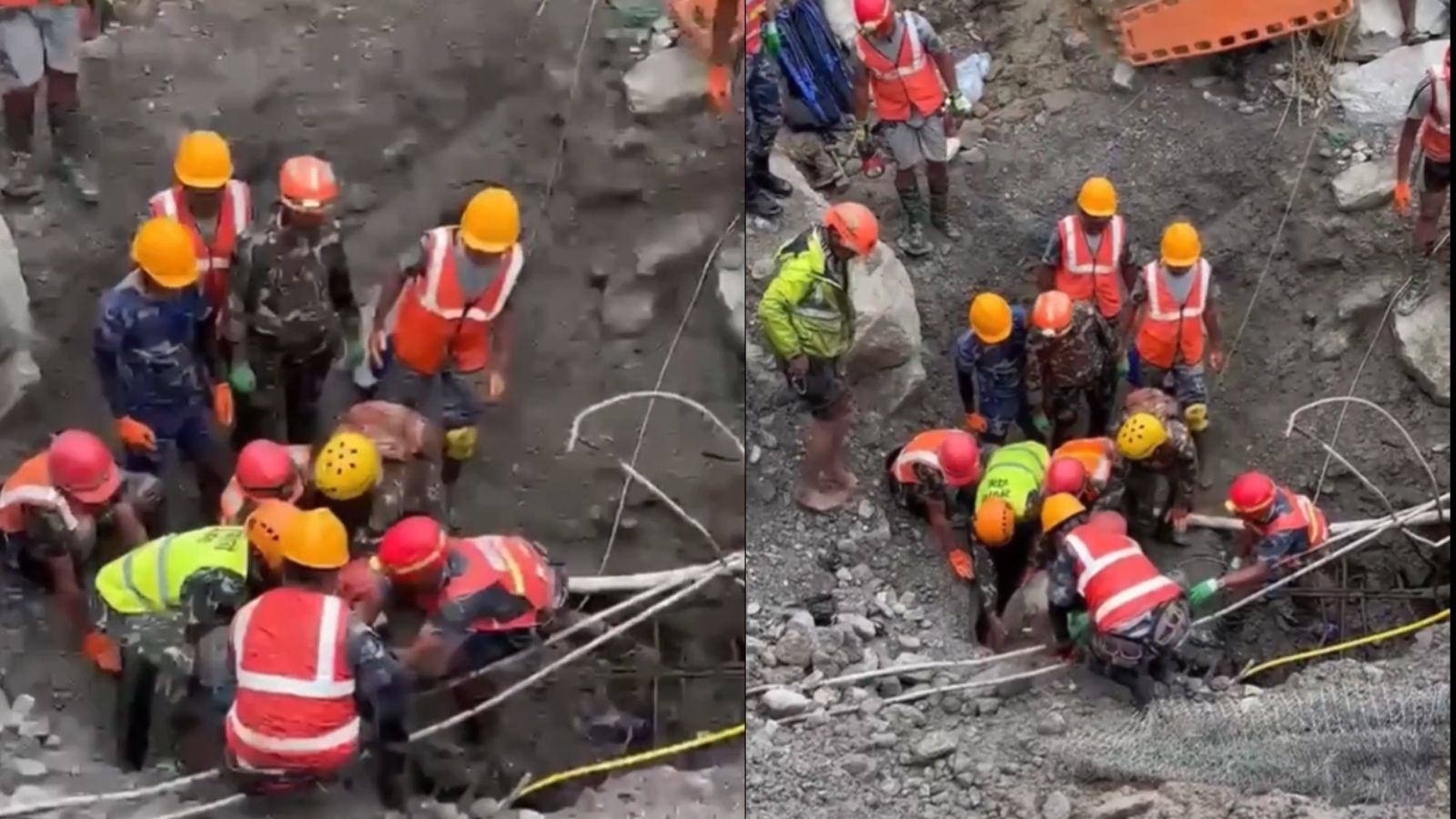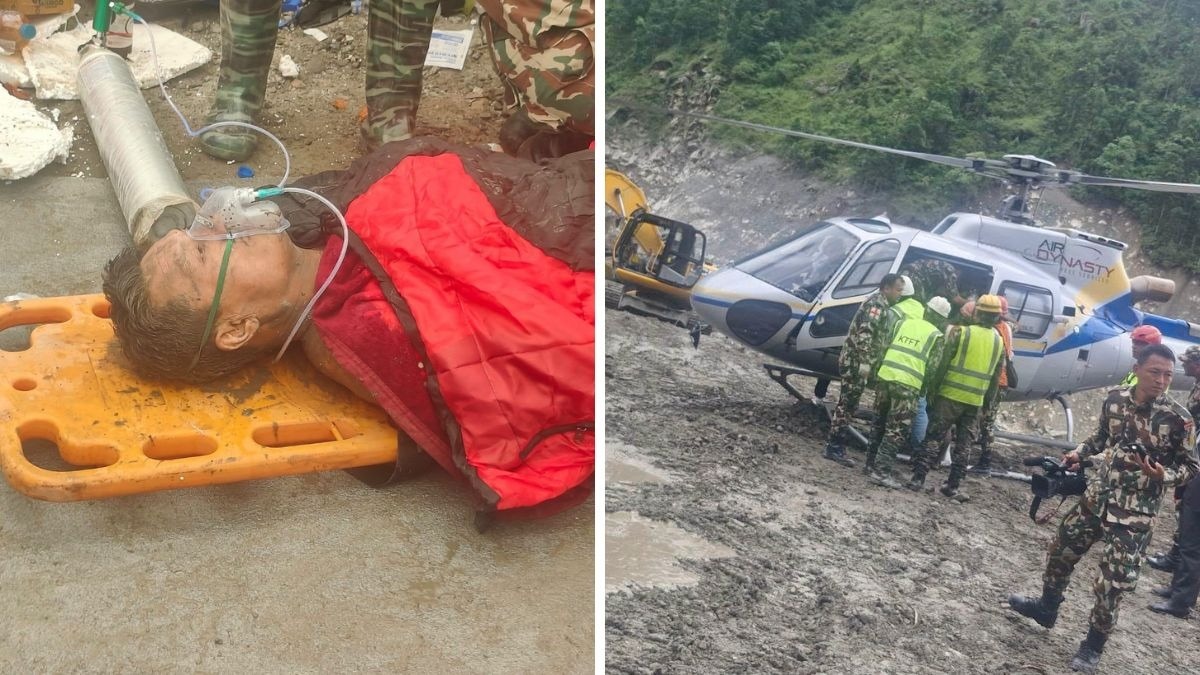
In a miraculous turn of events following a devastating disaster in Nepal, rescuers heard human voices from beneath the debris after nine days. Two individuals have been successfully pulled to safety.
- Human voices were detected from within a tunnel after 9 days of searching.
- Rescue teams successfully extracted two survivors from the debris.
- Search operations continue for other missing persons in the region.
In a profound display of resilience amidst the natural devastation in Nepal, a glimmer of hope has emerged from the wreckage. After nine grueling days of searching through landslides and debris, rescue teams reported hearing human voices emanating from a collapsed tunnel structure. This breakthrough provided a critical lead in the ongoing search and rescue mission.
Acting swiftly on the auditory signals, the Nepal Disaster Management Authorities and local emergency responders mobilized heavy machinery and specialized personnel to the site. Despite the unstable terrain and the immense weight of the debris, the team managed to navigate the narrow passages and successfully rescue two survivors. The victims were reportedly in a weakened state but were stabilized immediately upon extraction.
Why This Matters
BozokMedia analysis shows that the success of this operation highlights the critical importance of acoustic detection technology and rapid response protocols in mountainous terrains. In regions prone to sudden geological shifts, the window for survival is incredibly narrow, making every second of the rescue process vital for success.
The ability to detect life signals in such high-pressure environments is a testament to the evolving capabilities of modern rescue operations.
While the rescue of these two individuals is a monumental victory, the mission is far from over. Several people remain unaccounted for, and the risk of secondary landslides continues to threaten both the survivors and the rescue workers. Authorities have urged caution as the geological stability of the area remains highly unpredictable.
Historically, Nepal's rugged topography makes it highly susceptible to landslides, especially during the monsoon season. While the nation has significantly improved its disaster preparedness over the last decade, incidents like this underscore the ongoing vulnerability of remote mountain communities to extreme weather events.
Frequently Asked Questions
Question 1: How many people were rescued in the latest operation?
Answer: Two survivors were successfully rescued from the debris.
Question 2: How long were the survivors trapped?
Answer: The survivors were heard and rescued approximately 9 days after the initial disaster.