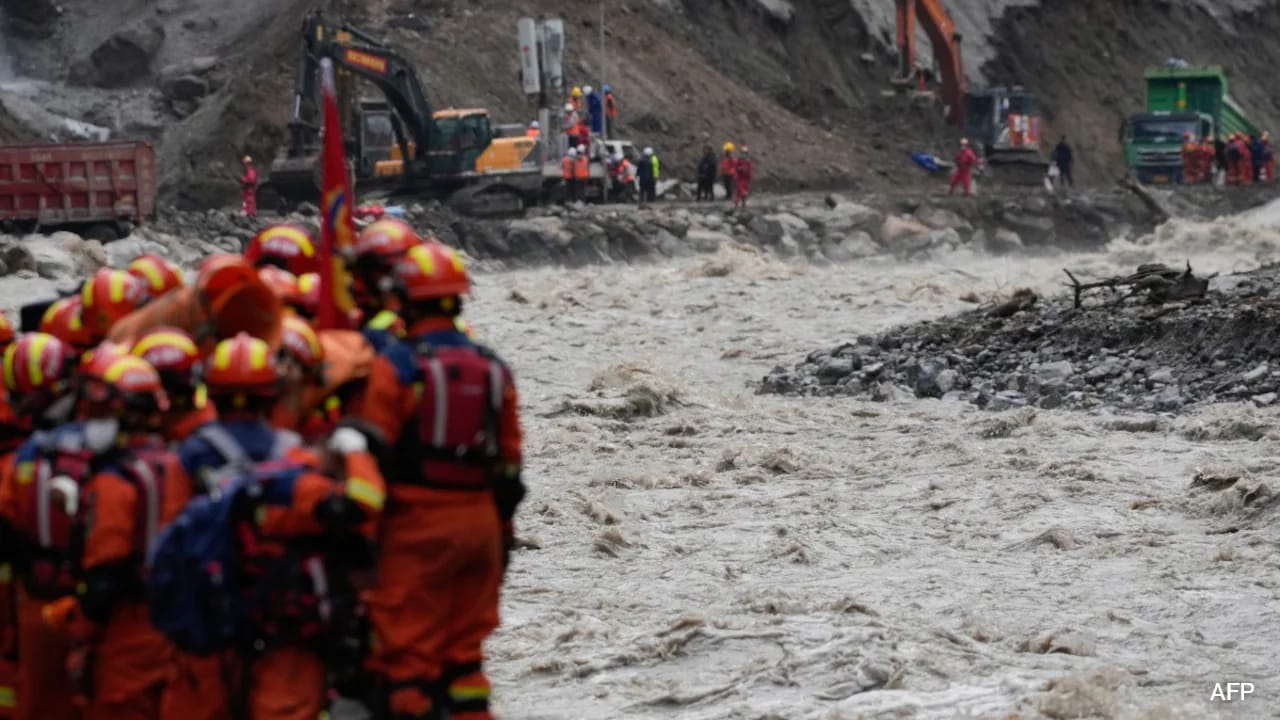
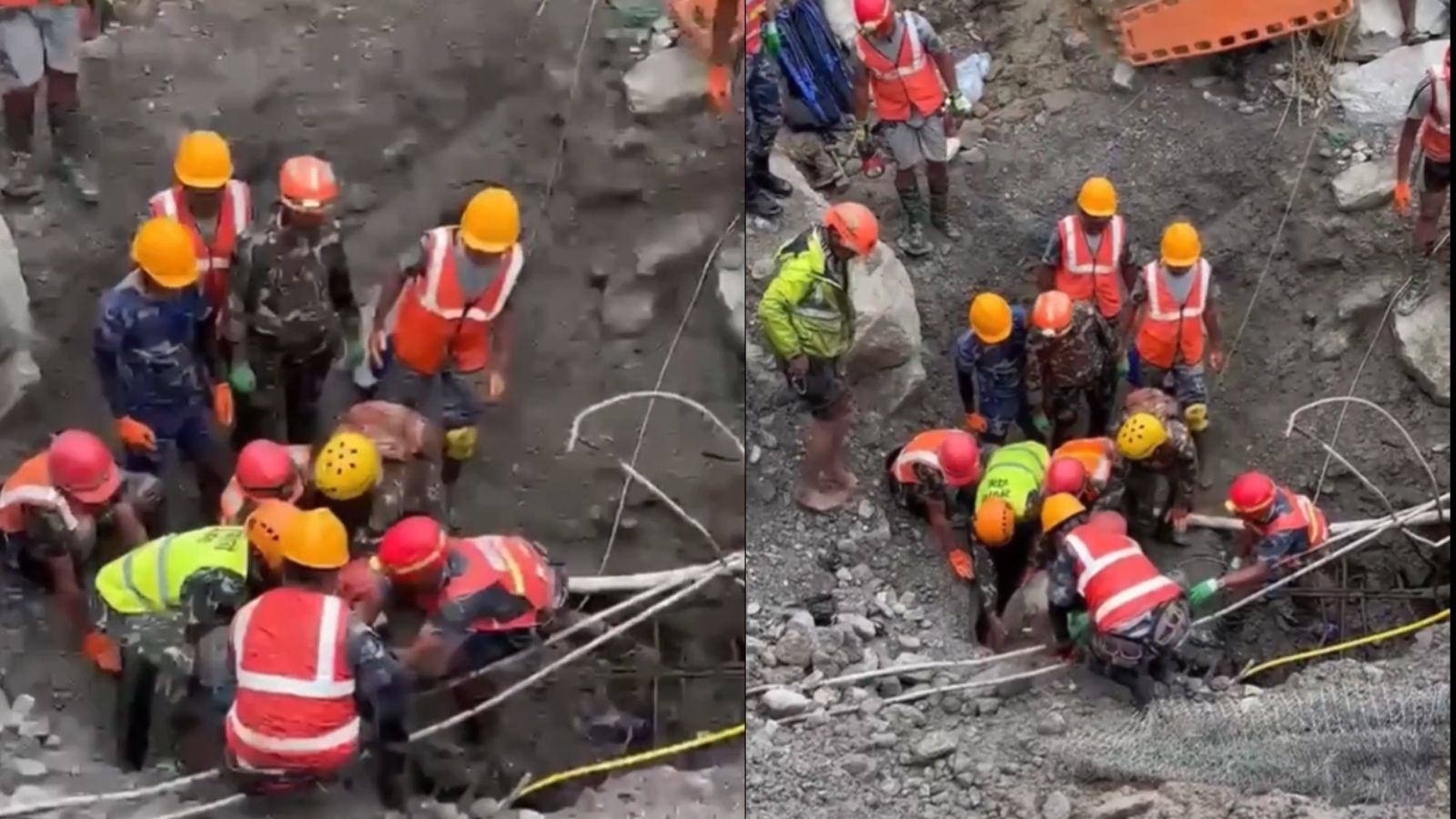
In a dramatic rescue operation, two hydropower workers trapped under debris in Nepal's Trishuli 3A tunnel have been pulled out alive following devastating floods.
- Two workers were successfully rescued from the Trishuli 3A hydropower tunnel.
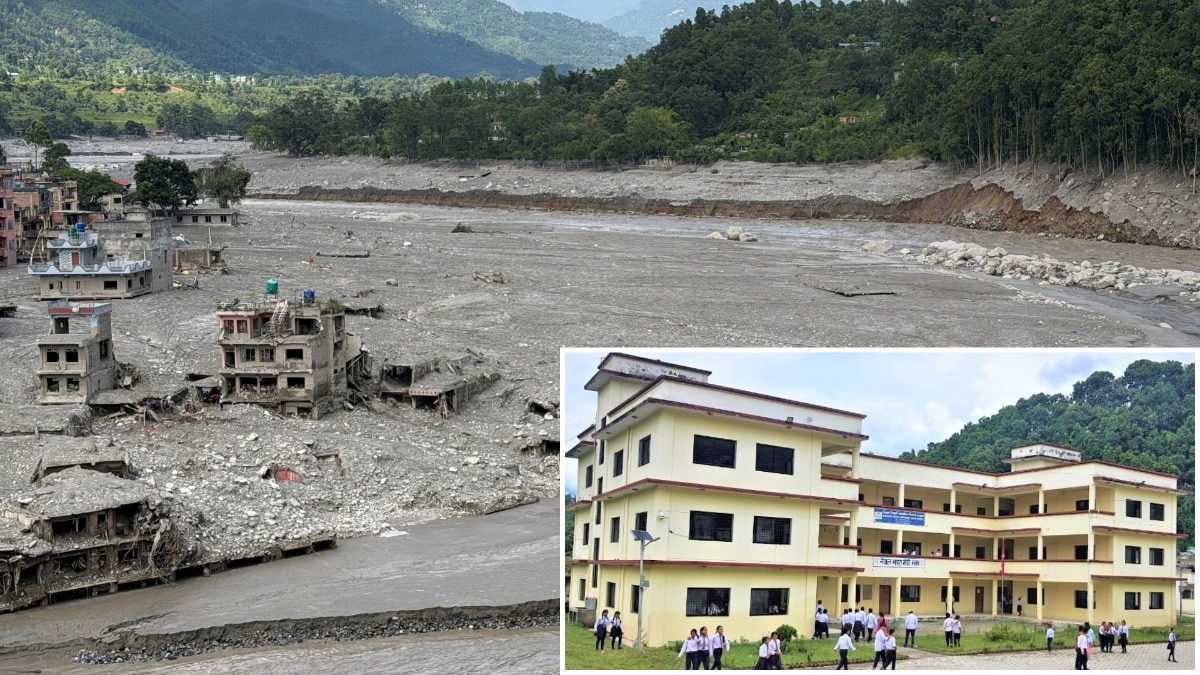
- The incident follows catastrophic floods triggered by a suspected glacier collapse on August 26.
- The national death toll has reached 1,259, with over 5,000 people still missing.
In a moment of profound relief for the nation, two hydropower workers trapped in Nepal were pulled out alive on Friday, September 4, 2026. The workers had been buried under massive debris following the catastrophic flash floods that devastated the region more than a week ago. The rescue took place at the Trishuli 3A hydropower project tunnel.
Energy Minister Biraj Bhakta Shrestha confirmed the successful extraction, stating that the first worker was safely pulled from the tunnel, followed shortly by a second individual. Home Minister Sudan Gurung also issued a statement confirming the news, providing much-needed hope to the families of the missing. Nepal Army spokesperson Brig. Gen. Raja Ram Basnet noted that the rescue was part of a high-stakes, ongoing operation within the tunnel structure.
Why This Matters
BozokMedia analysis shows that while this rescue is a triumph of human spirit and engineering, it highlights the extreme vulnerability of Nepal's hydropower infrastructure to climate-induced disasters. As glacial instability increases, the risk to the thousands of workers maintaining these critical energy assets grows exponentially.
The successful extraction of these workers is a testament to the resilience of the rescue teams operating under extreme geological pressure.
Local news footage captured the harrowing scene of a mud-covered worker being carried from the site on a rescuer's shoulder. A medical team was immediately deployed to provide emergency care at the site. This rescue comes nine days after the August 26 floods, which were likely triggered by a massive glacier collapse that ravaged valleys and towns across the country.
Historical Background
Nepal's topography makes it one of the most disaster-prone regions in the world. The increasing frequency of Glacial Lake Outburst Floods (GLOFs) due to global warming has become a recurring nightmare for the Himalayan states. The 2026 floods represent one of the deadliest natural disasters in recent history, significantly impacting both the human population and the nation's economic stability through the destruction of hydropower assets.
Frequently Asked Questions
Question 1: Where did the rescue take place?
Answer: The rescue operation was conducted at the Trishuli 3A hydropower project tunnel in Nepal.
Question 2: What caused the devastating floods in Nepal?
Answer: The floods, which occurred on August 26, were likely caused by a sudden glacier collapse.