The 26th SCO summit in Bishkek has reignited discussions about the 'Great Game' as major powers vie for influence in Central Asia. Explore the historical roots and the modern struggle for resources and technology.
- The 26th SCO summit has highlighted intensifying competition in Central Asia.
- The term 'Great Game' historically refers to the 19th-century rivalry between Britain and Russia.
- Modern competition involves the US, China, Russia, and the EU.
- Critical minerals and AI technologies are the new frontiers of this struggle.
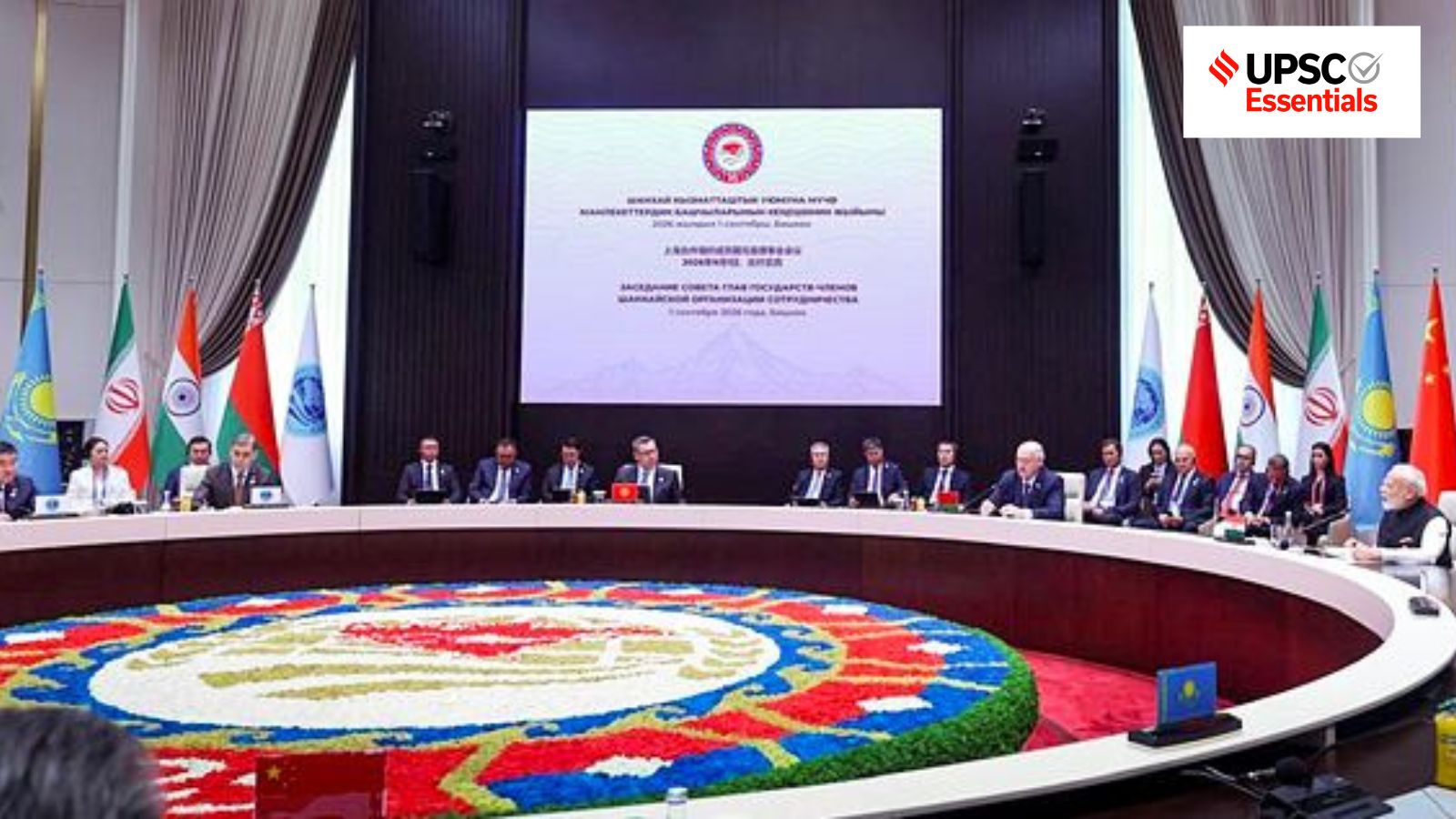
The 26th summit of the Shanghai Cooperation Organisation (SCO) in Bishkek, Kyrgyzstan, has cast a spotlight on the shifting dynamics of global power. Experts are increasingly using the term 'Great Game' to describe the escalating strategic competition between Russia, China, and the United States within the Central Asian region.
The Historical Roots of the Great Game
The concept of the 'Great Game' describes a fierce competition for power, hegemony, and economic riches. Historically, it refers to the 19th-century struggle between the British and Russian empires for control over the strategically vital territories of Central Asia.
While some attribute the early use of the term to Colonel Arthur Wellesley regarding Indian territories, it was Captain Arthur Conolly who popularized it in the context of Central Asia in 1840. Later, writers like Peter Hopkirk defined it as a 'shadowy struggle for political ascendancy,' where British India was the ultimate prize that Russian ambitions sought to threaten.
Why This Matters
BozokMedia analysis shows that the geopolitical landscape has shifted from mere territorial conquest to a battle for technological and resource supremacy. Central Asia is no longer just a buffer zone; it is a vital node in the global economy.
The Great Game has evolved from a pursuit of land to a pursuit of the technologies that will define the 21st century.
In the modern era, the stakes have been raised by the race for rare earth elements, critical minerals, and dominance in Artificial Intelligence (AI) and semiconductors. While China expands its economic footprint—with trade surpassing $100 billion in 2025—the US is countering through frameworks like 'C5+1'.
| Feature | Historical Great Game | The New Great Game |
|---|---|---|
| Primary Actors | British Empire, Russian Empire | USA, China, Russia, EU |
| Key Objectives | Territorial Expansion & India | Tech Supremacy, Minerals, AI |
| Theatres | Central Asia | Central Asia, Arctic, Indo-Pacific |
Beyond Central Asia, new arenas of competition are emerging in the Arctic and the Indo-Pacific. As these spheres of influence collide, the strategic maneuvering of nations like India will become a decisive factor in shaping the new world order.
Frequently Asked Questions
Question 1: What defines the 'New Great Game'?
Answer: It is the competition for technological dominance (AI/Semiconductors) and control over critical natural resources in strategic regions.
Question 2: Which organizations are involved in this competition?
Answer: Major players include the SCO members, the US through C5+1, and the European Union.