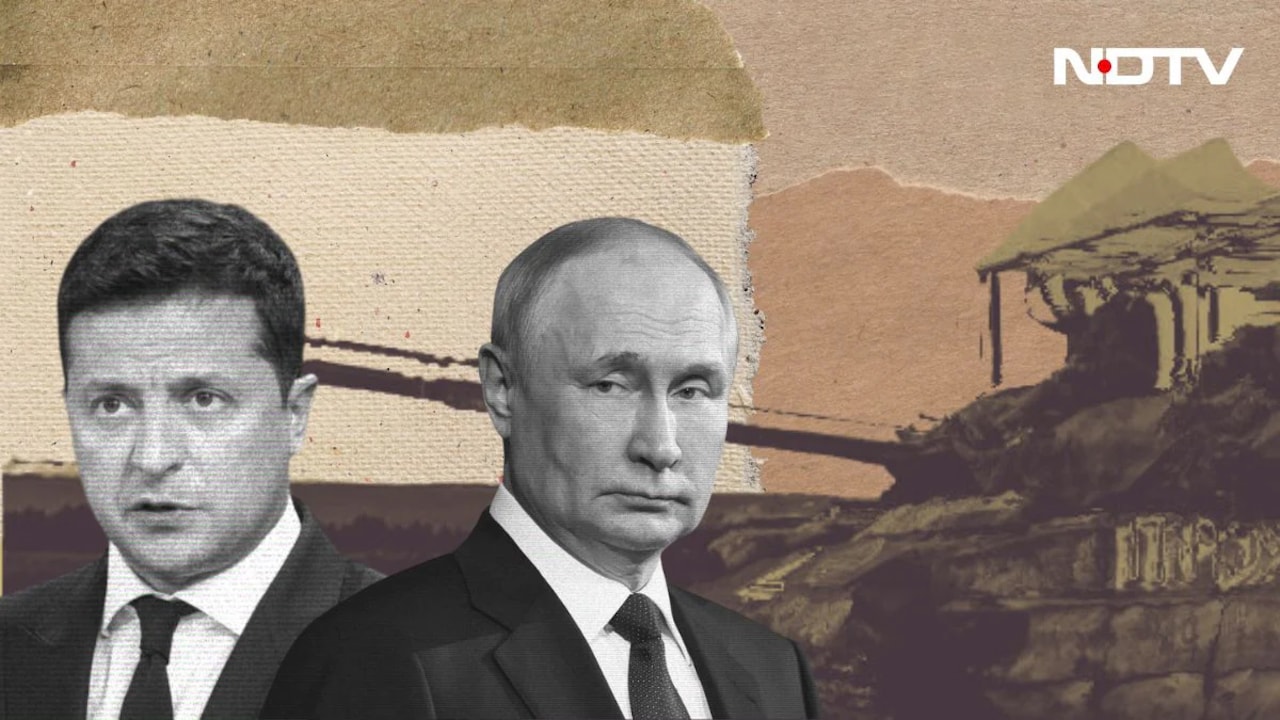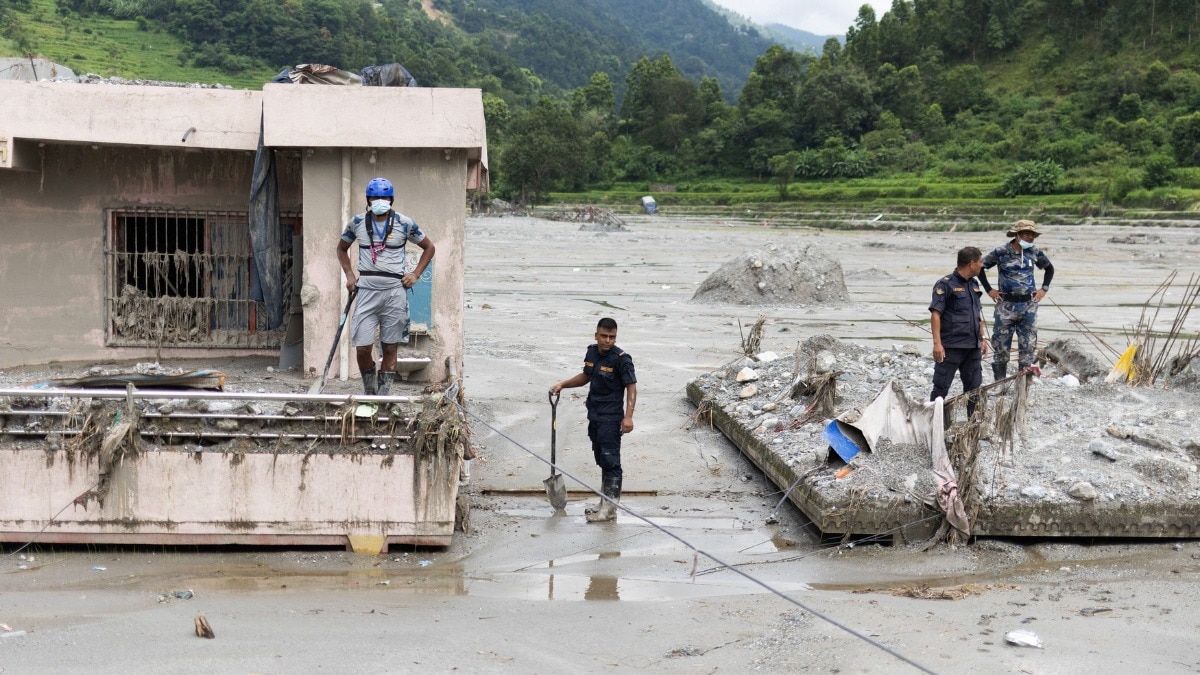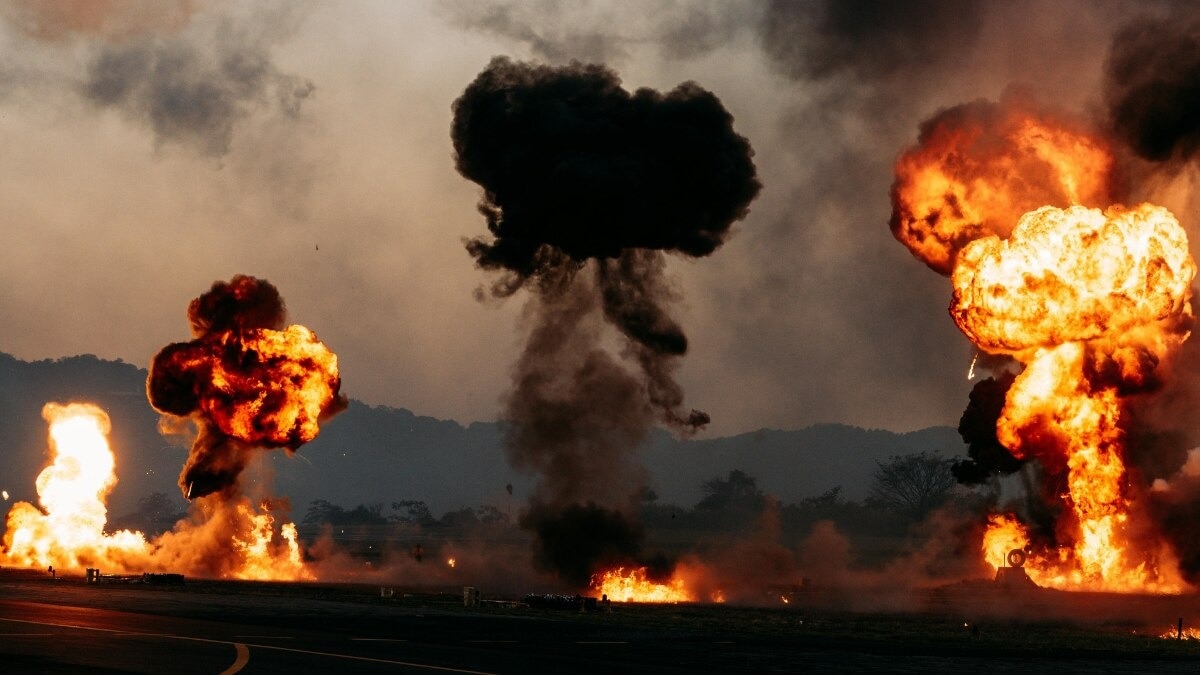
With the Russia-Ukraine war spreading across Europe and the US-Iran conflict reigniting in the Middle East, global tensions have reached a breaking point, raising fears of a third world war.
- The Russia-Ukraine conflict has expanded beyond borders, targeting critical infrastructure.
- Germany's involvement in the drone conspiracy has intensified NATO-Russia friction.
- Direct missile exchanges between the US and Iran threaten Middle East stability.
- Diplomatic efforts, including PM Modi's calls for peace, face severe ground-level challenges.
The world is currently witnessing a terrifying convergence of two massive conflicts. On one front, the Russia-Ukraine war is spilling over into broader European security concerns. On the other, the long-simmering tension between the United States and Iran has erupted into active military confrontation. The rapid escalation on both fronts has ignited fears of a potential Third World War.
European Escalation and the NATO Response
Ukraine has significantly increased the scope of its drone strikes deep within Russian territory. President Zelenskyy has issued a stark warning to international airlines and travelers, stating that flying in Russian airspace is no longer safe. In response, Vladimir Putin has condemned these actions as 'state-sponsored terrorism.'
The tension has reached the heart of Europe, with Germany accusing Moscow of orchestrating a drone conspiracy at Leipzig Airport targeting a Ukrainian cargo plane. In retaliation, Berlin has moved to close the Russian consulate in Bonn. NATO Secretary General Mark Rutte has reaffirmed that the alliance stands firmly with Germany, signaling that Russia's intimidation tactics will not succeed.
In the current geopolitical landscape, a single miscalculation by any superpower could trigger an uncontrollable global conflagration.
Middle East Crisis: US vs. Iran Missile War
In West Asia, the ceasefire has shattered. Following massive US airstrikes on Iranian military installations, Donald Trump claimed significant damage to Iranian radar systems. Iran responded swiftly by launching missiles at US military bases in Kuwait and Jordan, alleging that civilian areas and airports were targeted in the US strikes.
BozokMedia analysis shows that the cycle of retaliation in the Persian Gulf poses an existential threat to global energy security. Tehran has threatened a 'devastating counterattack,' while Washington has warned that any further provocation will meet with even larger military strikes.
Historical Context: The Fragility of Peace
Historically, when major powers engage in proxy or direct conflicts, the ripple effects are felt globally. The current breakdown of the post-Cold War security architecture suggests that the era of managed tensions may be transitioning into an era of direct confrontation.
Frequently Asked Questions
1. Is a Third World War inevitable?
While no nation desires a total war, the lack of communication between superpowers and the use of advanced drone/missile technology increases the risk of accidental escalation.
2. How is Germany involved in the Russia-Ukraine war?
Germany is a key NATO member providing support to Ukraine and has recently faced direct security threats linked to Russian-backed conspiracies.