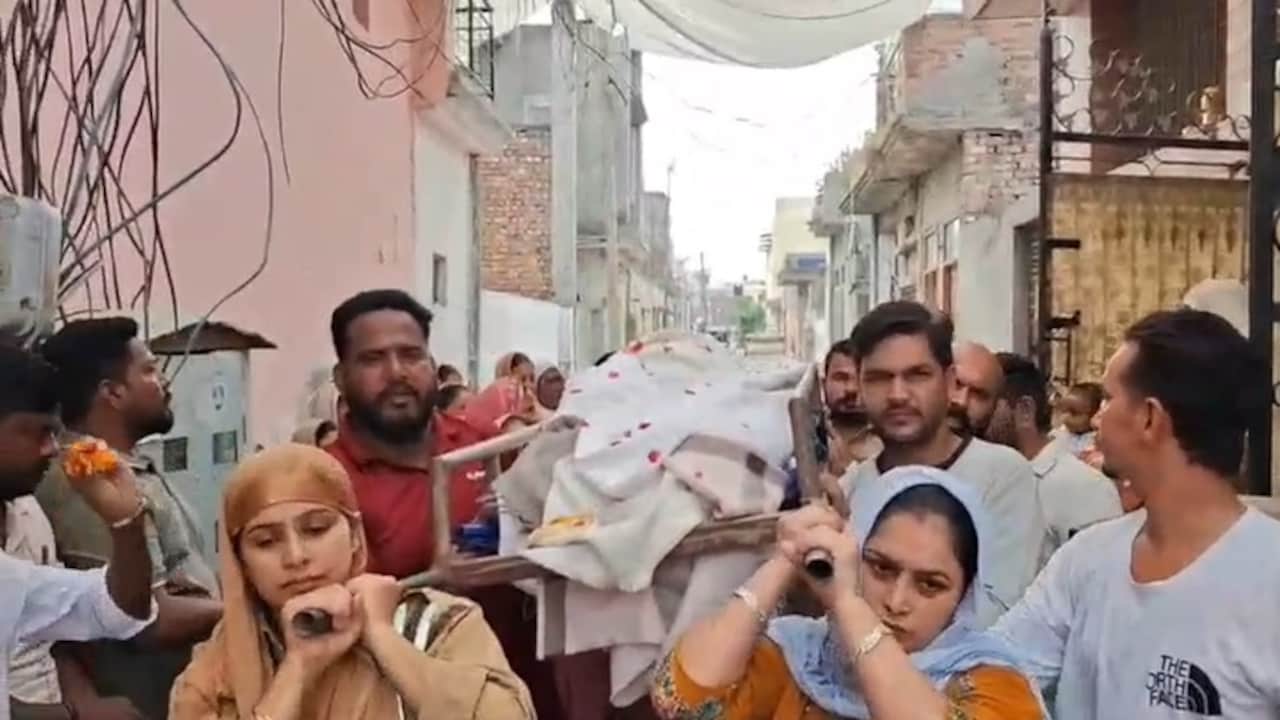
In a powerful departure from age-old customs, two daughters-in-law in Ludhiana carried their mother-in-law's bier, challenging patriarchal norms.
- Two daughters-in-law in Ludhiana defied tradition by carrying the bier.
- The act marks a significant shift in gender roles during funeral rites.
- The incident has sparked widespread discussion on social norms in Punjab.
In a profound moment that has resonated across Ludhiana, two daughters-in-law have shattered long-standing social taboos by shouldering their mother-in-law's bier. In many traditional Indian households, the responsibility of carrying the deceased to the cremation ground is strictly reserved for male family members.
The emotional scene unfolded as the women stepped forward to perform this final rite, demonstrating a level of respect and courage that transcends conventional gender boundaries. This act was not merely a funeral ritual but a silent protest against the rigid structures that often limit women's roles in significant life events.
Historical Background
For centuries, funeral customs in various parts of South Asia have been deeply gendered. Women were traditionally relegated to the periphery of mourning processes, often restricted to weeping or performing specific rituals from a distance. However, as societal structures evolve through education and legal reforms, these boundaries are increasingly being tested and redefined by the younger generation.
Why This Matters
BozokMedia analysis shows that such incidents serve as catalysts for broader sociological shifts. When women take on roles traditionally deemed 'masculine,' it challenges the subconscious biases held by society and paves the way for a more inclusive understanding of familial duties and gender equality.
Breaking tradition is often the first step toward reclaiming dignity and equality within the domestic sphere.
The incident in Ludhiana has ignited a debate regarding the intersection of religion, tradition, and modern progressive values. While some segments of society cling to the old ways, the actions of these two women represent a growing trend of gender-neutral participation in spiritual and social ceremonies.
Frequently Asked Questions
Question 1: Is this common in Punjab?
Answer: While not common, there is a rising trend of women participating more actively in all social and religious ceremonies.
Question 2: What was the reaction of the community?
Answer: The reaction has been mixed, ranging from deep emotional respect to debates over traditional customs.