From Hamas and Hezbollah to Iran and now Turkey, Israel is grappling with multi-front warfare that could redefine the Middle East's geopolitical landscape.
- Israel is currently managing conflicts across eight distinct fronts, involving both state and non-state actors.
- The involvement of regional powers like Iran and the diplomatic pressure from Turkey add layers of complexity.
- The multi-dimensional nature of this conflict poses a significant risk to Israel's long-term security.
The geopolitical landscape of the Middle East has reached a critical boiling point. Israel, a nation long accustomed to regional volatility, now finds itself embroiled in a high-stakes struggle against what analysts describe as eight simultaneous fronts. This is no longer just a localized conflict but a sprawling multi-dimensional crisis.
At the immediate tactical level, Hamas in Gaza and Hezbollah in Lebanon continue to launch devastating attacks, forcing the Israel Defense Forces (IDF) to maintain a constant state of high alert. However, the involvement of Iran—acting as the primary architect behind the 'Axis of Resistance'—has elevated the threat from insurgent warfare to potential state-on-state confrontation.
Why This Matters
BozokMedia analysis shows that the sheer scale of this multi-front engagement is unprecedented in modern history. When a nation is forced to divide its intelligence, military, and economic resources across eight different directions, the risk of a strategic breakthrough by its adversaries increases exponentially. The addition of diplomatic hostility from Turkey further isolates Israel on the global stage.
The current multi-front war represents the most significant challenge to Israel's national security architecture since its inception.
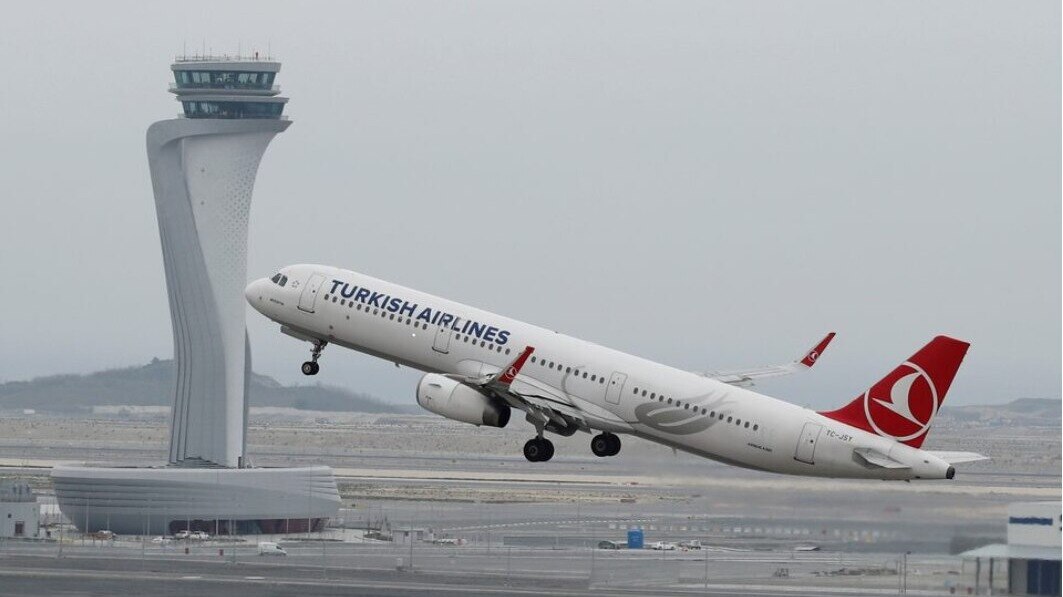
The recent escalation in rhetoric from Turkey has added a new layer of complexity. President Recep Tayyip Erdoğan's increasingly aggressive stance against Israeli policies has turned a military struggle into a diplomatic battleground. This forces Israel to fight not just on its borders, but also in the halls of international diplomacy and global public opinion.
Historical Background
The history of conflict in this region is deeply rooted in the decades following the 1948 Arab-Israeli War. While regional wars were once fought between organized state militaries, the modern era is defined by proxy warfare, where non-state actors are empowered by regional giants like Iran to destabilize the status quo.
Frequently Asked Questions
Q1: What are the primary threats to Israel currently?
Answer: The primary threats include militant groups like Hamas and Hezbollah, and the regional influence of Iran and Turkey.
Q2: How does Turkey impact this conflict?
Answer: Turkey exerts significant diplomatic and political pressure, complicating Israel's international standing and regional relations.