As trade hostilities between the US and Canada intensify, the US Justice Department's antitrust division has been directed to pause all collaborative efforts with Canadian authorities. The move follows controversial executive orders and escalating tariff battles.
- US DOJ antitrust division ordered to halt cooperation with Canada.
- Escalating trade war and 'Lake America' renaming fueling tensions.
- Canada vows retaliatory tariffs in response to US measures.
The long-standing diplomatic and economic alliance between the United States and Canada is facing an unprecedented strain. According to recent reports, the U.S. Justice Department's (DOJ) antitrust division has been instructed to suspend all collaborative work and policy engagement with Canadian authorities. This directive comes amidst a rapidly intensifying trade dispute between the two neighboring nations.
Internal emails obtained by The Wall Street Journal suggest that Lynda Marshall, head of the antitrust division's international section, issued the order on Wednesday. While the specific rationale behind the sudden freeze was not provided, the directive has sent shockwaves through the regulatory community. Furthermore, section chiefs were reportedly asked to compile lists detailing previous areas of cooperation with Canada by the end of the week.
Why This Matters
BozokMedia analysis shows that this freeze in antitrust cooperation could have significant implications for cross-border corporate activity. Antitrust cooperation is vital for managing global monopolies and ensuring fair competition; a breakdown in this communication could lead to legal discrepancies for multinational corporations operating in both jurisdictions.
The shift from economic tariffs to the suspension of legal and regulatory cooperation marks a dangerous escalation in the US-Canada trade war.
The friction is compounded by President Donald Trump's aggressive trade stance. A major flashpoint recently emerged when the administration issued an executive order renaming Lake Ontario to 'Lake America.' While the rebranding is technically limited to the U.S. federal government, the symbolic gesture has been perceived as an affront to Canadian sovereignty, further aggravating the political climate.
Historical Background
For decades, the US and Canada have maintained one of the most integrated economic relationships in the world. However, the political landscape shifted significantly following President Trump's return to the White House in January 2025. The introduction of massive tariffs on Canadian goods has transformed a stable partnership into a theater of economic warfare.
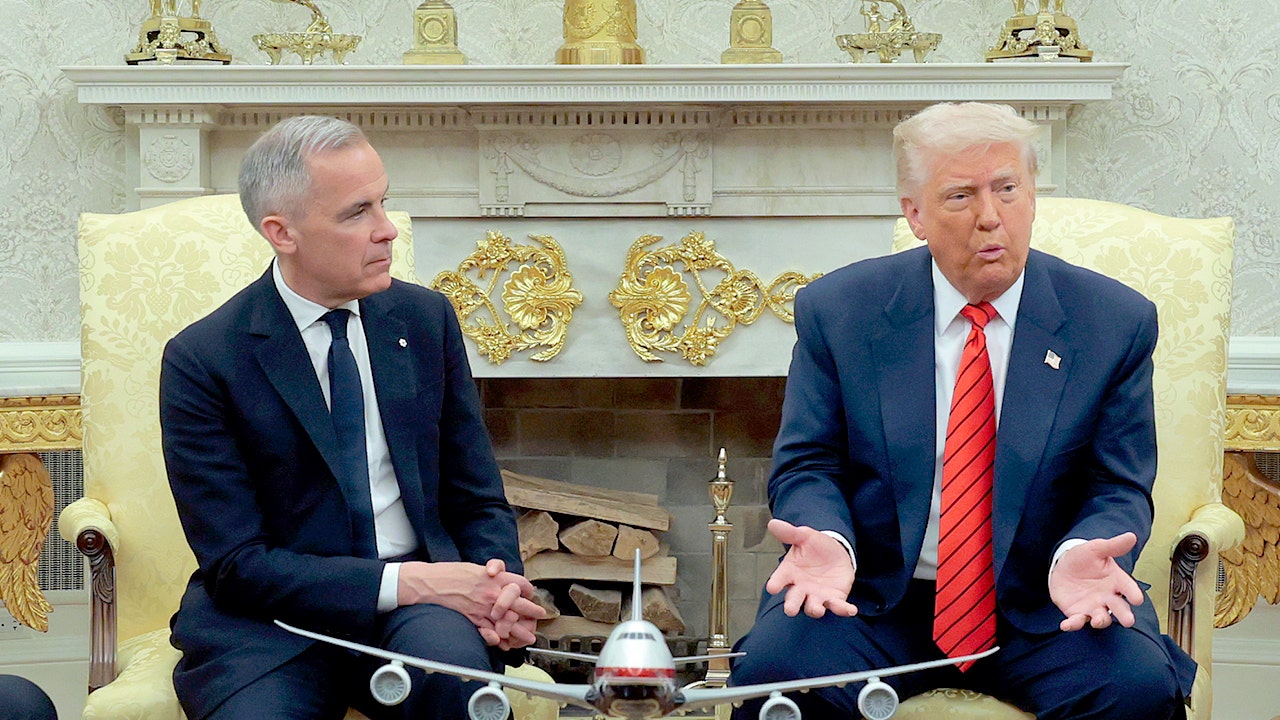
Currently, the U.S. has imposed 50% tariffs on approximately $20 billion worth of Canadian goods. In response, Canadian Prime Minister Mark Carney has taken a hardline stance, stating that Canada will match Washington's tariffs 'dollar for dollar' to protect its domestic workers and industries. Retaliatory tariffs from Canada are expected to take effect on September 8.
Frequently Asked Questions
Question 1: Has the DOJ officially confirmed the freeze?
Answer: The DOJ has disputed the report, claiming the alleged direction was never given and that any pauses were related to specific investigation preparations.
Question 2: What is the impact of the 'Lake America' order?
Answer: While it only affects U.S. federal entities, it has become a major diplomatic irritant and a symbol of the growing tension.