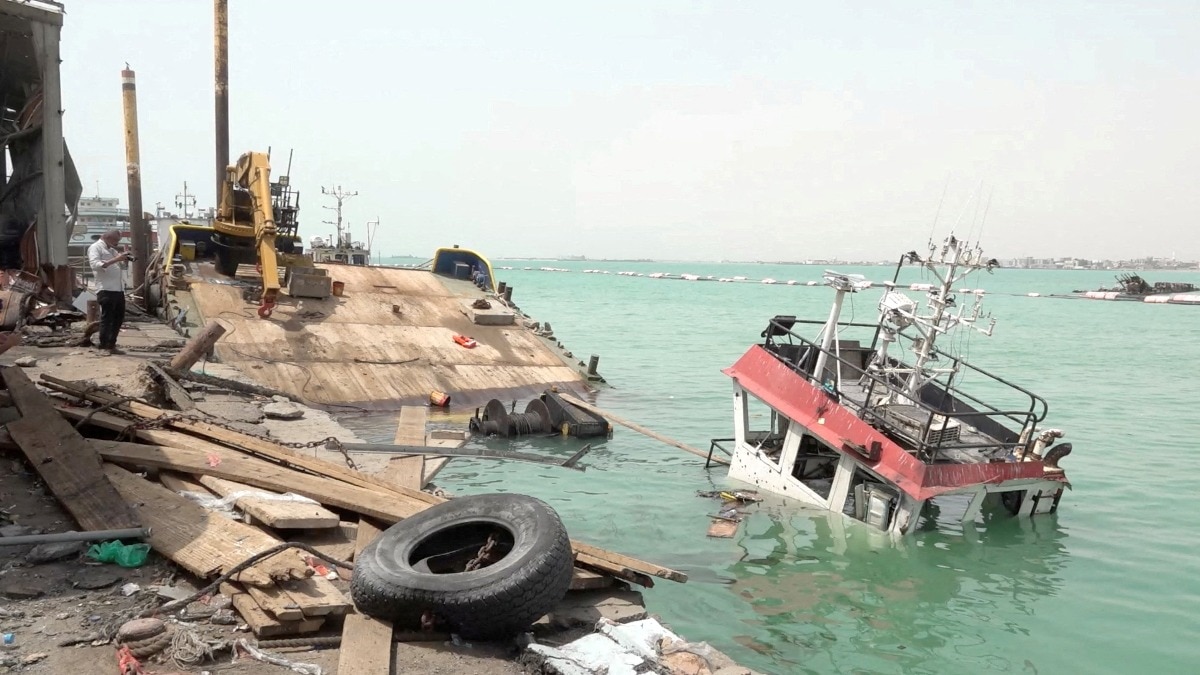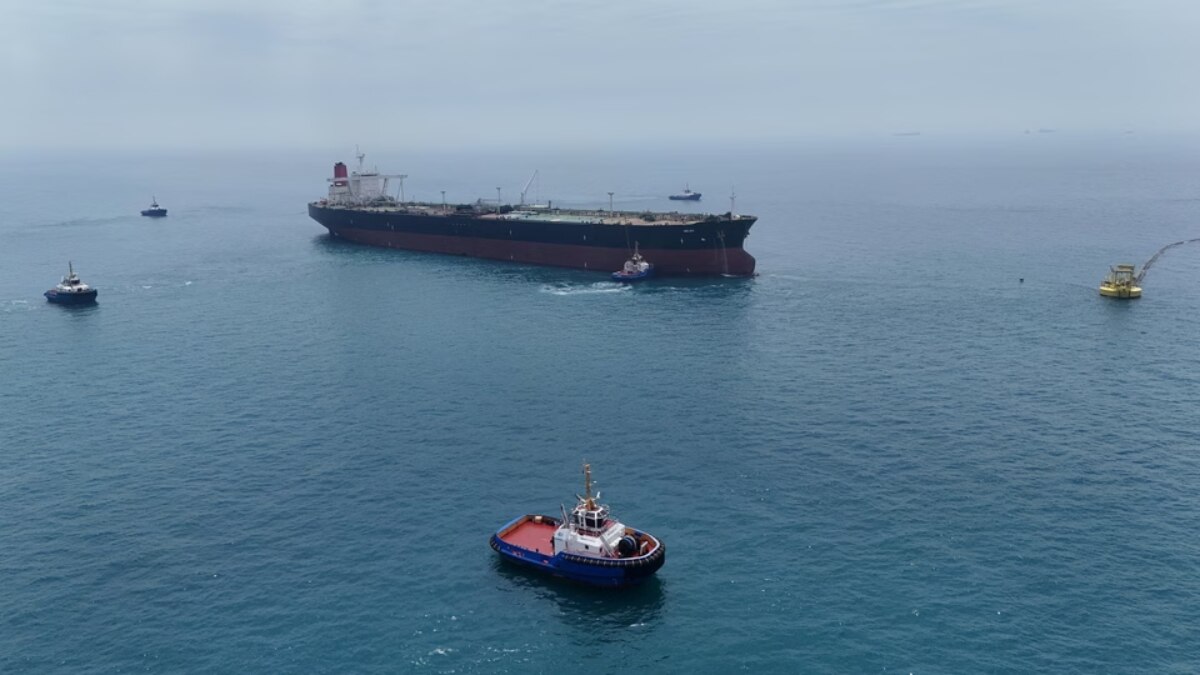
In a significant escalation of tensions, the US military has reported the destruction of three Iranian oil tankers following targeted attacks by the IRGC against US Navy ships.
- US forces retaliated against IRGC attacks on US Navy vessels.
- Three Iranian oil tankers were confirmed destroyed during the operation.
- The incident raises immediate concerns regarding global energy security and maritime stability.
The geopolitical landscape in the Middle East has shifted dramatically following reports from the US military regarding the destruction of three Iranian oil tankers. This decisive action was taken as a direct response to aggressive maneuvers and attacks launched by the Islamic Revolutionary Guard Corps (IRGC) against United States Navy ships.
The confrontation highlights the escalating volatility in critical maritime corridors. According to military officials, the engagement was necessary to protect naval assets and maintain freedom of navigation after IRGC forces initiated strikes on American vessels. The loss of these tankers represents a significant blow to Iran's maritime logistics and energy transport capabilities.
Why This Matters
BozokMedia analysis shows that this escalation poses a direct threat to the stability of global oil markets. Any prolonged conflict in these strategic waterways could lead to a massive spike in crude oil prices and disrupt the supply chains that the global economy relies upon for stability.
The direct kinetic engagement between US forces and Iranian-backed assets marks a dangerous turning point in regional maritime security.
The strategic importance of the region cannot be overstated. The waters surrounding the Strait of Hormuz are among the most sensitive transit points in the world, where any military friction has immediate repercussions for international trade and energy pricing.
Historical Background
Tensions between the United States and Iran have been a constant in Middle Eastern politics for decades. Since the 1979 Revolution, the two nations have maintained a state of proxy and direct confrontation. Naval skirmishes in the Persian Gulf have become a recurring theme, often centered around maritime sovereignty and the enforcement of international sanctions.
Frequently Asked Questions
Question 1: What triggered the US military response?
Answer: The US military stated the retaliation was a direct consequence of attacks initiated by the IRGC against US Navy ships.
Question 2: How will this affect global oil prices?
Answer: Such military escalations typically create market uncertainty, often leading to an immediate increase in global oil prices due to fears of supply disruption.