With the Strait of Hormuz already disrupted, Iran-backed Houthi forces have seized Mocha and are advancing toward the Bab el-Mandeb Strait, threatening a second major maritime chokepoint and squeezing Saudi oil exports.
- Iran-backed Houthis have captured Mocha and are moving toward the strategic Bab el-Mandeb Strait.
- Saudi Arabia's alternative oil export route via the Red Sea is now under direct threat.
- Bab el-Mandeb handles approximately 12% of global oil and commodity trade.
A critical move has been made on West Asia’s geopolitical chessboard, further isolating US President Donald Trump and his key ally, Saudi Arabia. While the world remains focused on the prolonged standoff over the Strait of Hormuz, Tehran-backed Houthi forces have seized the port city of Mocha in Yemen and are advancing toward the Bab el-Mandeb Strait.
Bab el-Mandeb, known as the 'Gate of Tears,' is a narrow waterway located just 80 km from Mocha. It serves as the vital link between Asia and Europe, carrying roughly 12% of global oil and other essential goods. With the Strait of Hormuz—which handles 25% of seaborne oil trade—already severely disrupted, a second blockade would create an unprecedented energy crisis for the global economy.
Why This Matters
BozokMedia analysis shows that this escalation puts Saudi Arabia in a devastating strategic squeeze. Following the closure of the Strait of Hormuz on its eastern coast, Riyadh shifted its reliance to the Red Sea routes to maintain oil exports to the West. A Houthi stranglehold on Bab el-Mandeb would effectively block Saudi Arabia's last remaining maritime exit, potentially skyrocketing fuel prices across South Asia and Europe.
"The simultaneous disruption of two primary maritime chokepoints would trigger a global supply chain collapse, pushing oil prices to historic highs."
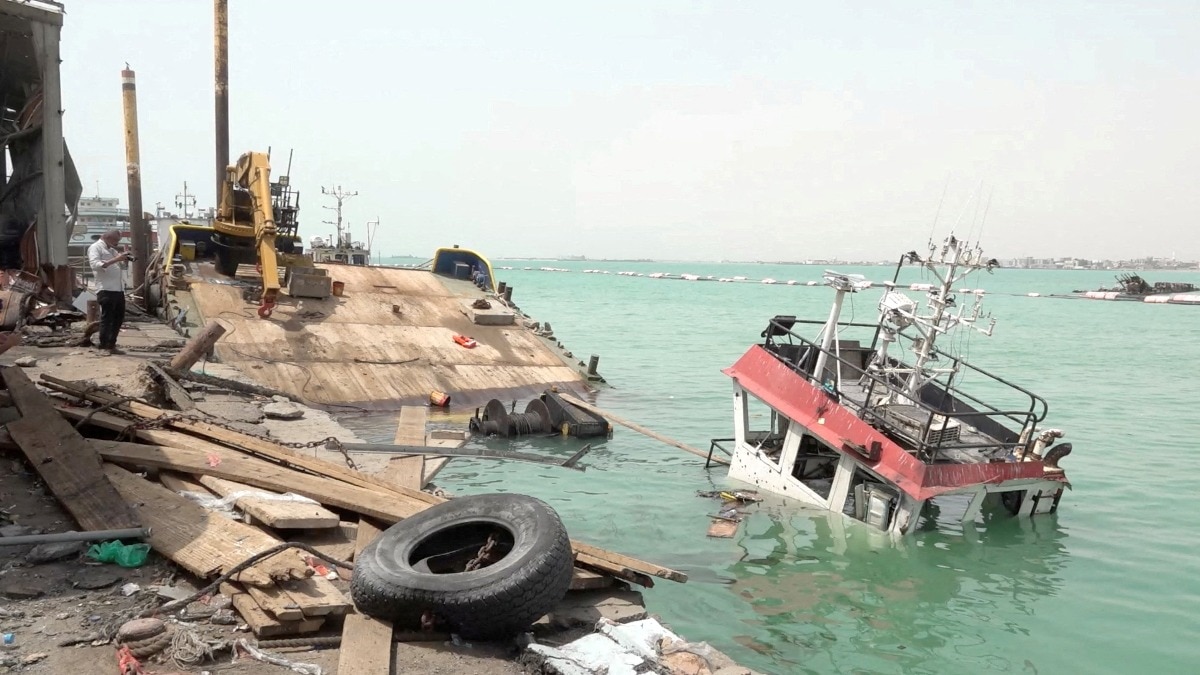
The military situation is deteriorating rapidly. Yemeni government sources confirm that Houthi forces have reached the Hanish islands and are pushing toward Dhubab. Control over Dhubab and the island of Perim would give the Houthis total leverage over the strait, allowing them to dictate shipping terms in the region.
International tensions are also spilling over, with Pakistan issuing a stern warning to Iran to restrain its Houthi allies. Tehran, however, has maintained a distance, claiming it does not control the Houthi movements. This occurs amidst a wave of tit-for-tat shipping attacks between the US and Iran, the largest since the conflict began in February.
| Feature | Strait of Hormuz | Bab el-Mandeb |
|---|---|---|
| Global Oil Volume | ~25% | ~12% |
| Current Status | Severely Blocked | Under Immediate Threat |
| Primary Impact | Global Energy Markets | Saudi Exports & EU Trade |
Frequently Asked Questions
1. Why is the Bab el-Mandeb Strait so strategic?
It connects the Red Sea to the Gulf of Aden, serving as the primary gateway for ships traveling through the Suez Canal toward Asia.
2. How does this affect the average consumer?
Disruptions in these chokepoints lead to increased shipping costs and insurance premiums, which ultimately result in higher global fuel and commodity prices.