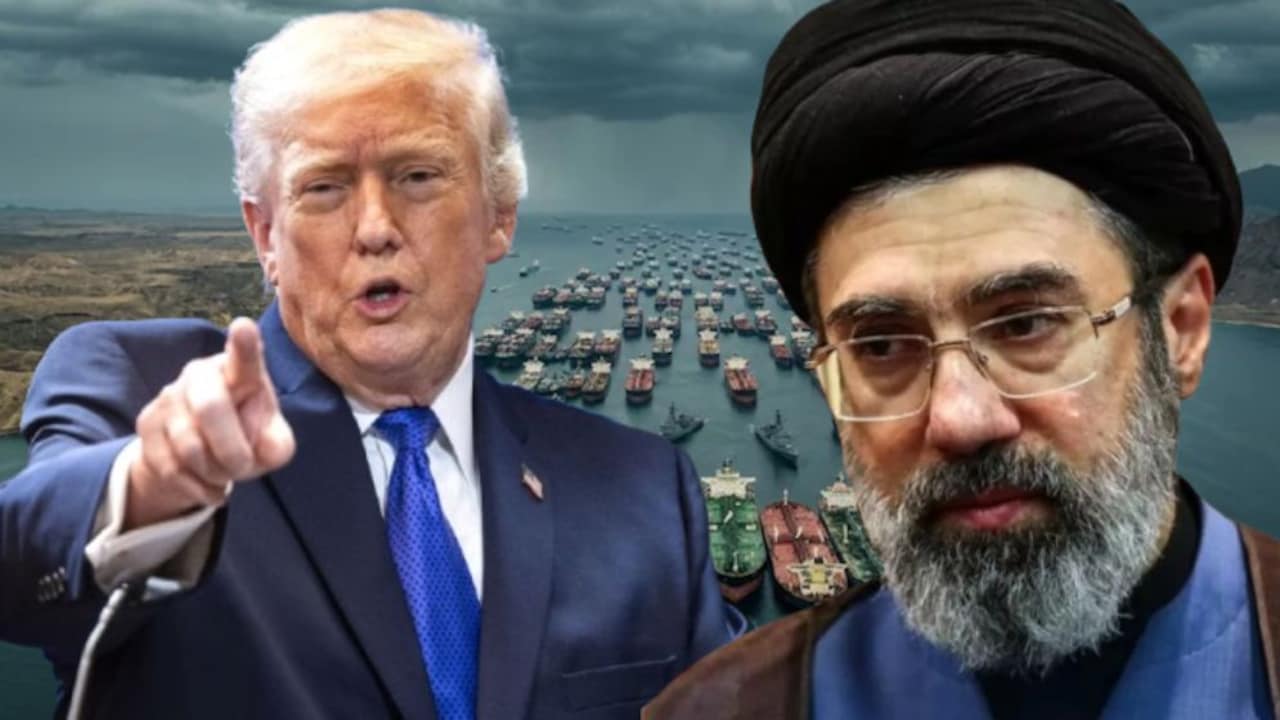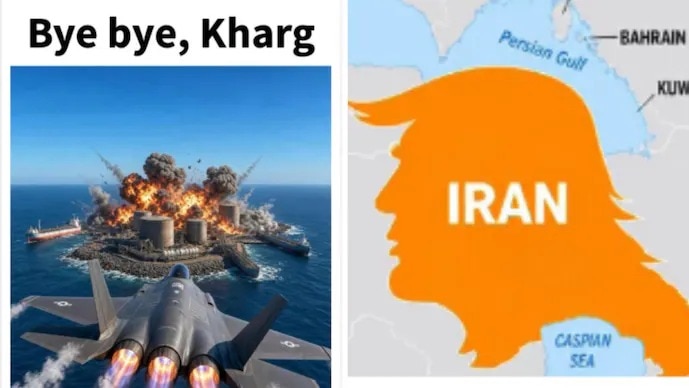
Former US President Donald Trump has intensified his rhetoric against Iran, posting provocative imagery featuring himself superimposed on a map of Tehran. This move signals a potential shift in US-Iran relations.
- Donald Trump has launched a series of aggressive social media posts targeting Iran.
- The imagery includes Trump's photo placed over a map of Tehran.
- This signals a potential return to a 'maximum pressure' policy toward Iran.
In a move that has sent shockwaves through diplomatic circles, former US President Donald Trump has utilized social media to launch a direct and highly symbolic offensive against Iran. By sharing posts that feature his own image superimposed over a map of Tehran, Trump has signaled a readiness to confront the Iranian leadership with unprecedented intensity.
This digital maneuver is more than just political posturing; it is a calculated attempt to project strength to his domestic base while sending a clear warning to the Iranian regime. The use of visual symbolism—placing himself over the heart of Iran's capital—serves as a powerful metaphor for dominance and potential intervention.
Why This Matters
BozokMedia analysis shows that Trump's rhetoric marks a significant departure from the current administration's more nuanced approach. Should Trump return to the White House, his visual and verbal aggression suggests that the era of diplomatic engagement may be replaced by a renewed period of intense geopolitical confrontation and economic sanctions.
Trump is effectively weaponizing social media to conduct psychological warfare against foreign adversaries.
To understand the gravity of this moment, one must look at the Historical Background of US-Iran relations. The friction dates back to the 1979 Islamic Revolution, but intensified significantly during Trump's presidency when he withdrew the United States from the Joint Comprehensive Plan of Action (JCPOA). The subsequent assassination of high-ranking Iranian officials further deepened the rift.
The global implications of this renewed hostility are vast. A direct confrontation or heightened tension between the US and Iran could destabilize oil markets, disrupt critical maritime trade routes in the Strait of Hormuz, and trigger wider regional conflicts across the Middle East.
Frequently Asked Questions
Question 1: What is the significance of the Tehran map?
Using the capital's map symbolizes a direct challenge to the Iranian government's seat of power.
Question 2: How might this affect global oil prices?
Increased tension in the Middle East typically leads to market volatility and higher energy costs.