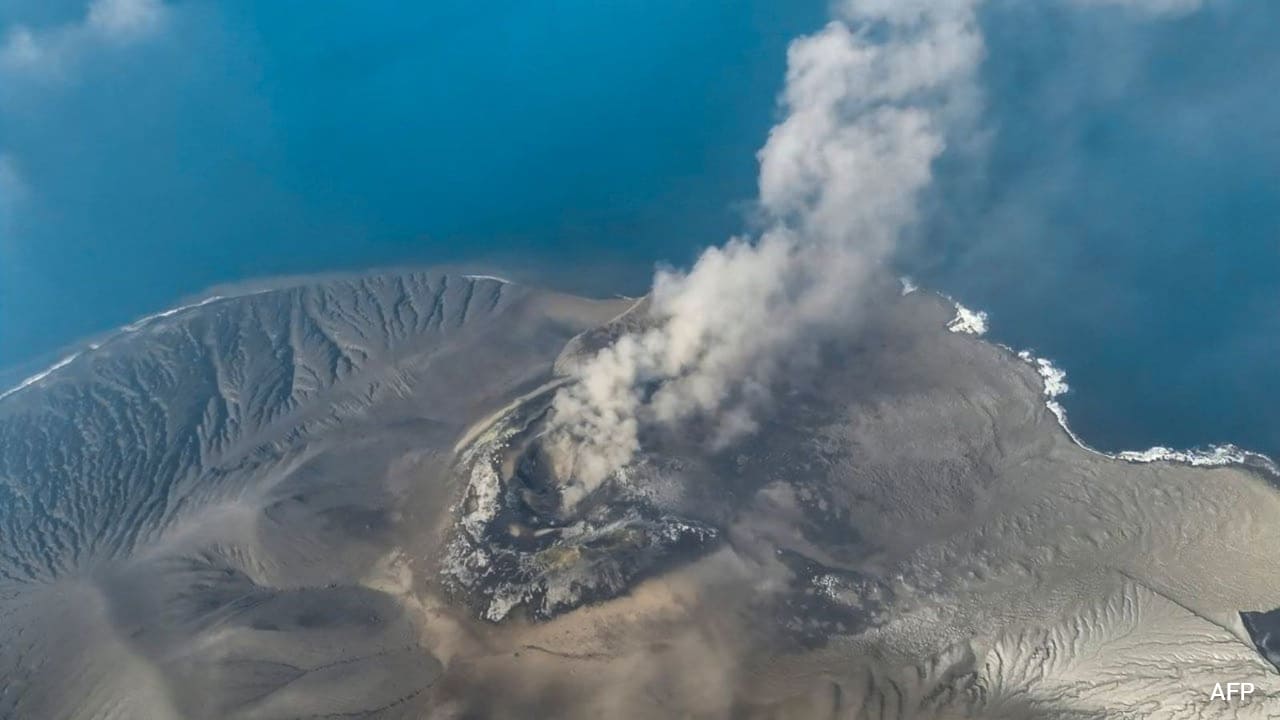
A sudden eruption of Mount Anak Krakatoa has triggered massive flight cancellations in Indonesia, leaving approximately 1.7 lakh travelers stranded.
- Two significant eruptions were recorded on Sunday at Mount Anak Krakatoa.
- Aviation services disrupted, affecting nearly 170,000 passengers.
- Lava fountains and booming sounds were audible from hundreds of kilometers away.
The geological stability of the region has been severely compromised following the eruption of Mount Anak Krakatoa. According to official statements from the geology agency, the volcano produced massive fountains of lava and thunderous booming sounds that resonated across hundreds of kilometers. This sudden seismic and volcanic activity has forced authorities to shut down several key airports to ensure passenger safety.
The scale of the disruption is immense, with an estimated 1.7 lakh travelers currently stranded due to widespread flight cancellations. As aviation authorities prioritize safety over schedule, the logistical nightmare for passengers in Indonesia has escalated, with many waiting in airports for indefinite periods.
Why This Matters
BozokMedia analysis shows that volcanic activity in the Sunda Strait is a critical concern for international aviation. The release of volcanic ash into the stratosphere poses a lethal threat to jet engines, necessitating large-scale airspace closures that ripple through the global travel network.
The suddenness of the Anak Krakatoa eruptions highlights the unpredictable nature of volcanic monitoring in high-activity zones.
Historical Background: The Krakatoa volcanic complex is legendary for its destructive power. The catastrophic eruption in 1883 changed the course of geological history and altered global temperatures. The current Anak Krakatoa (Child of Krakatoa) is a relatively new volcanic island formed as a result of those historic events, and it remains one of the most active volcanic sites in the world.
Frequently Asked Questions
Question 1: Is it safe to fly near the eruption site?
Answer: No, authorities have closed airspace to prevent ash ingestion into aircraft engines.
Question 2: When will flights resume?
Answer: Resumption depends entirely on the reduction of volcanic ash levels and geological stability.